Thinking about selling your South Windsor home but not sure where to start? You want a clear plan, predictable results, and a team that handles the details so you can focus on your next move. This guide walks you through our proven 5-step system, built to help you prepare, present, and sell with confidence in today’s South Windsor market. You’ll learn what to do at each stage, how long it takes, what it may cost, and how we measure success. Let’s dive in.
Step 1: Prep and repairs
A strong sale starts with a clean, safe, and move-in-ready home. We begin with a pre-listing walk-through to create a punch list you can tackle quickly and cost-effectively.
Safety and compliance
- Confirm working smoke detectors and carbon monoxide alarms as required in Connecticut.
- Address visible hazards like loose railings or trip risks.
- If you plan structural or electrical/plumbing work, check permit requirements with the Town of South Windsor Building Department before starting.
Smart cosmetic updates
- Fresh paint touch-ups, caulking, and neutral finishes.
- Flooring repairs or professional cleaning as needed.
- Simple hardware and lighting updates that modernize without overspending.
Mechanical tune-ups
- Service HVAC, check water heater, and fix visible plumbing or electrical issues.
- Consider a pre-list inspection to catch major defects early and negotiate on your terms.
Timing and costs
- Typical timeline: 1 to 4 weeks depending on scope.
- Minor repairs: roughly $200 to $2,000.
- Targeted refreshes: kitchen or bath updates can range from $2,000 to $20,000 depending on scope.
- Pre-listing inspection: about $300 to $600.
Our goal in this step is simple: reduce inspection surprises and present a home that looks well cared for and easy to buy.
Step 2: Staging and photography
Most buyers discover your home online first. Presentation drives clicks, showings, and offers.
Staging strategy
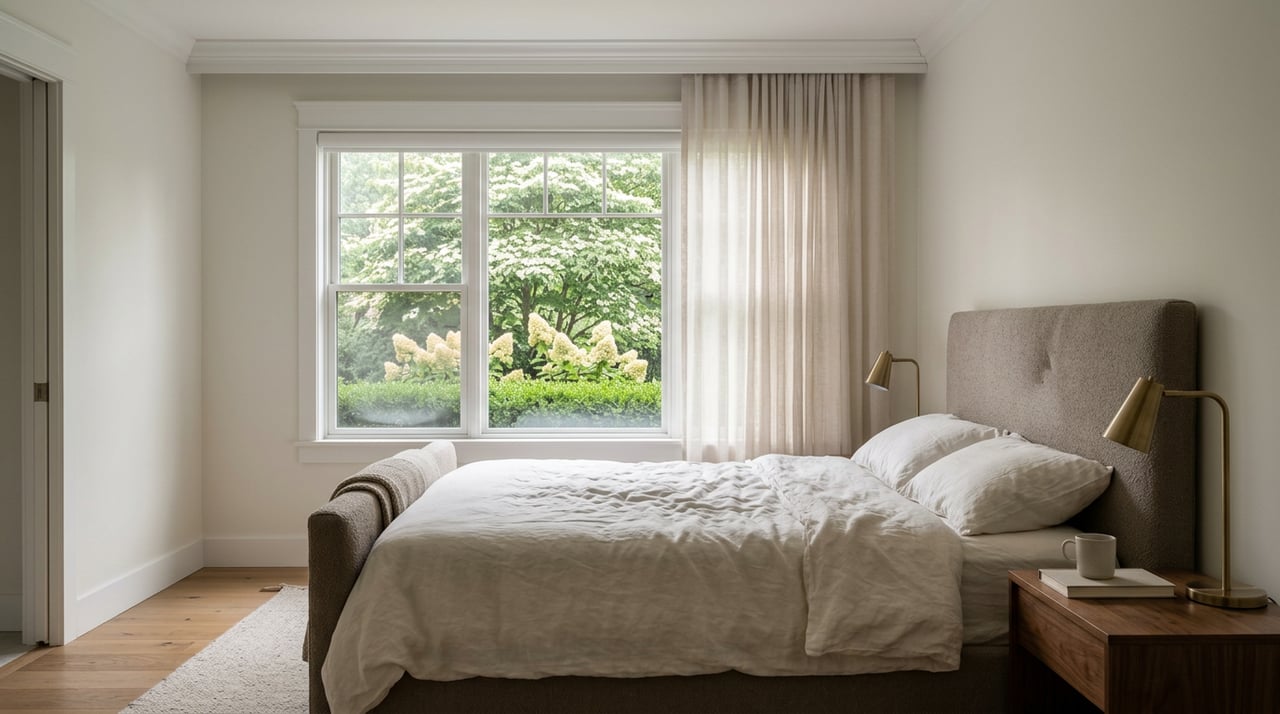
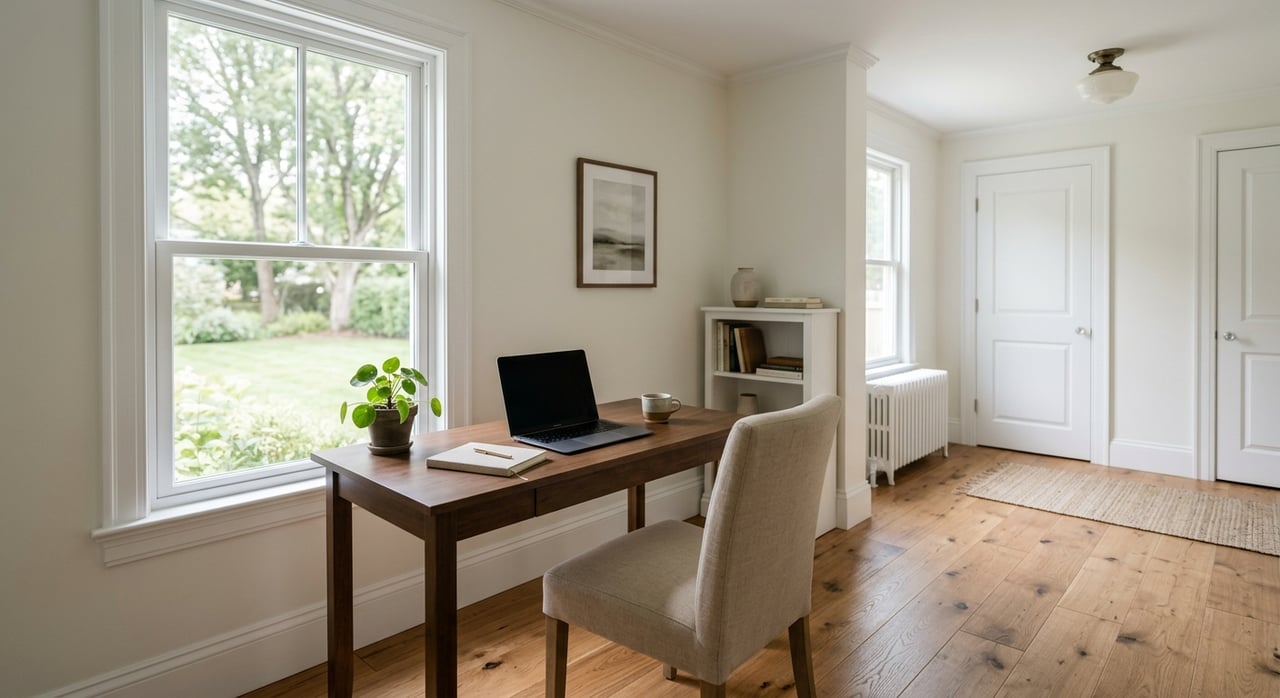
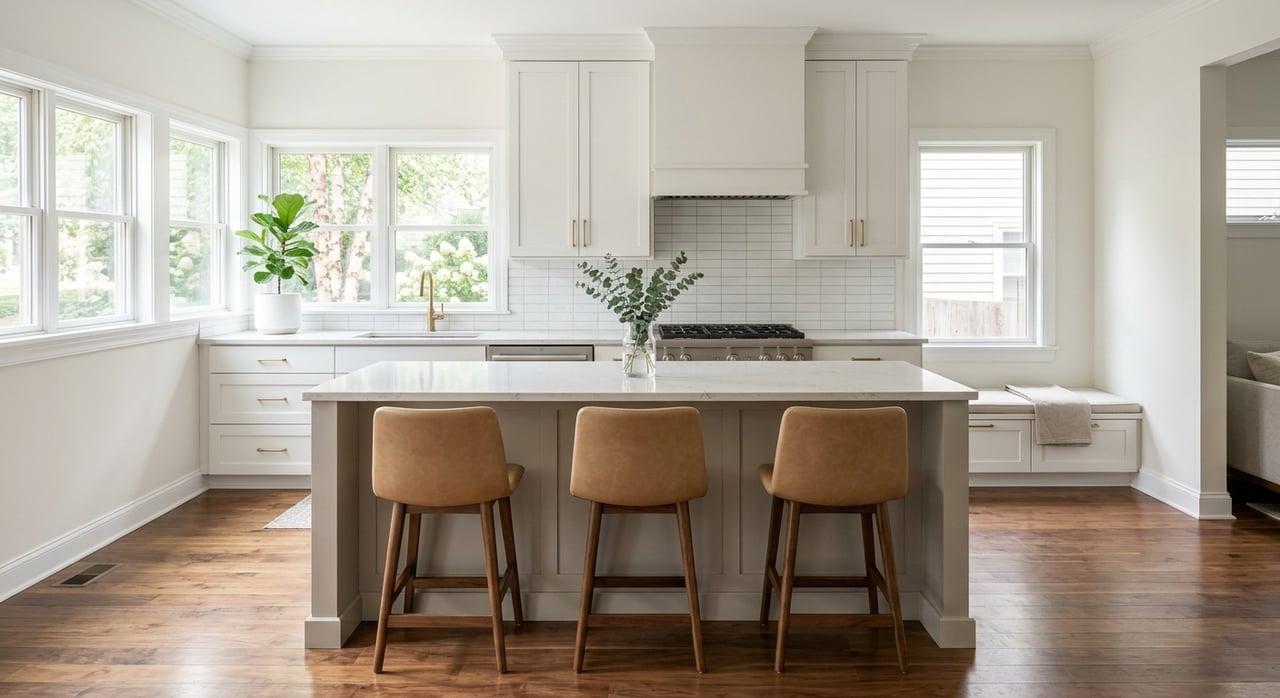
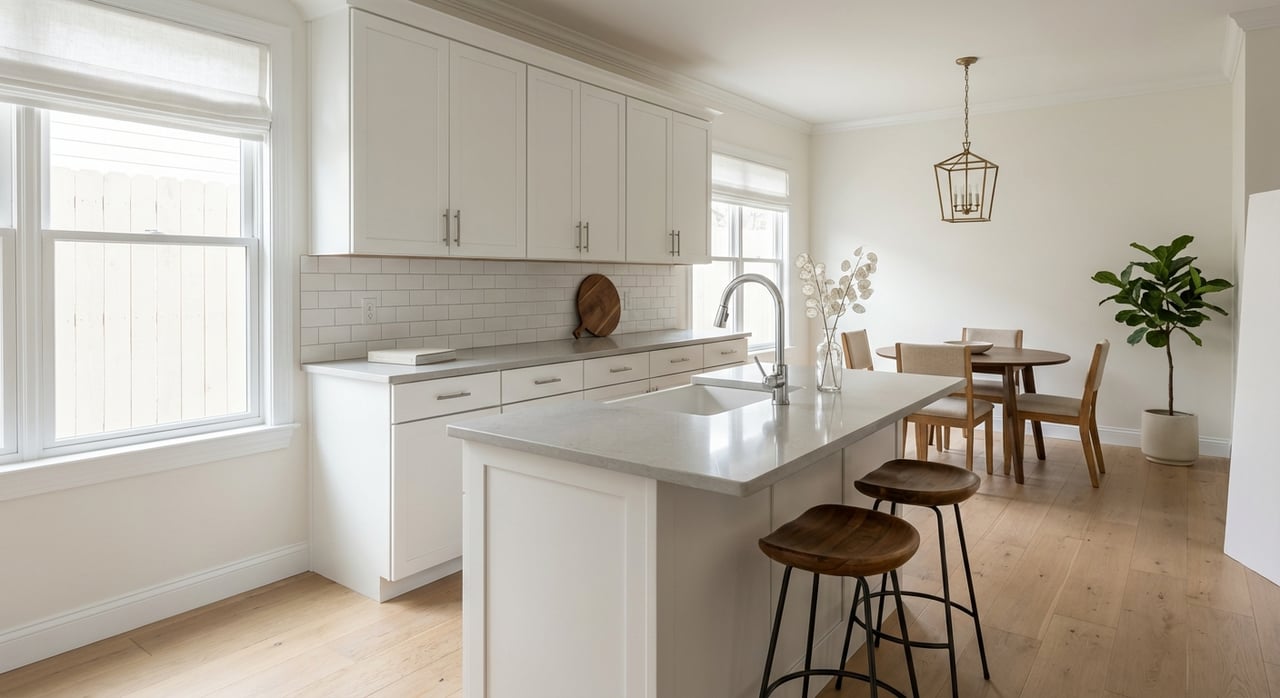
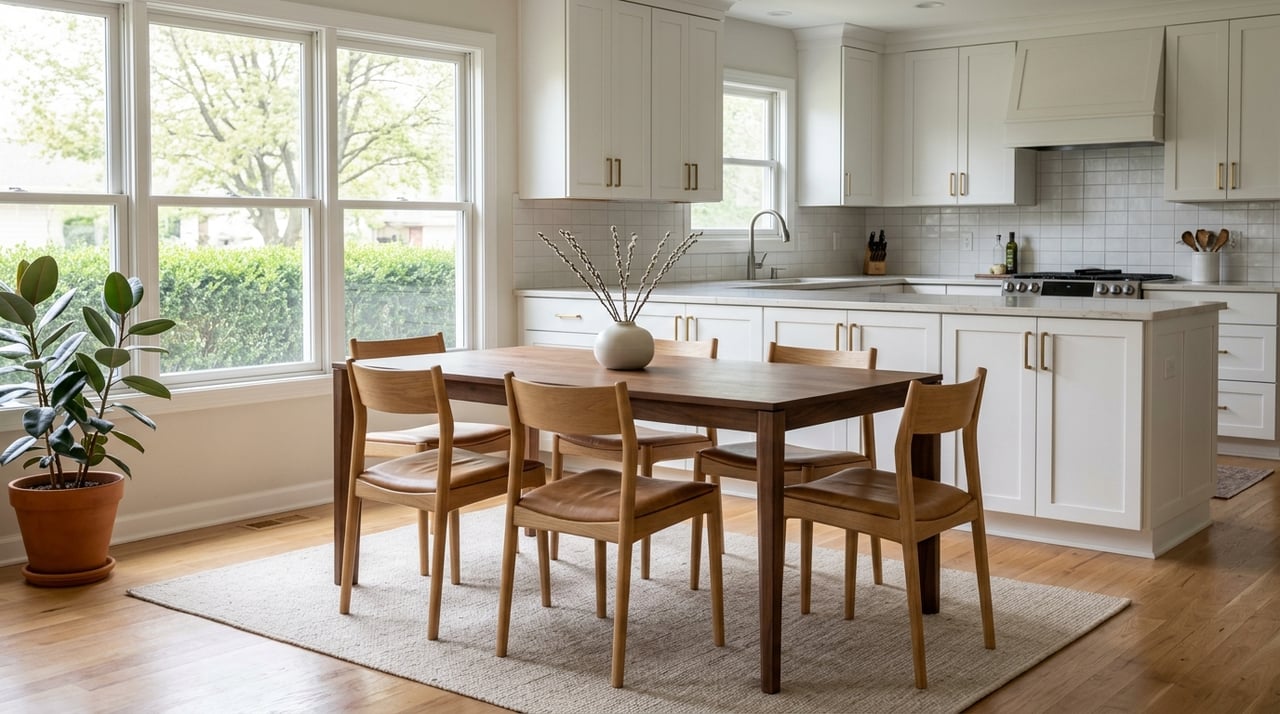
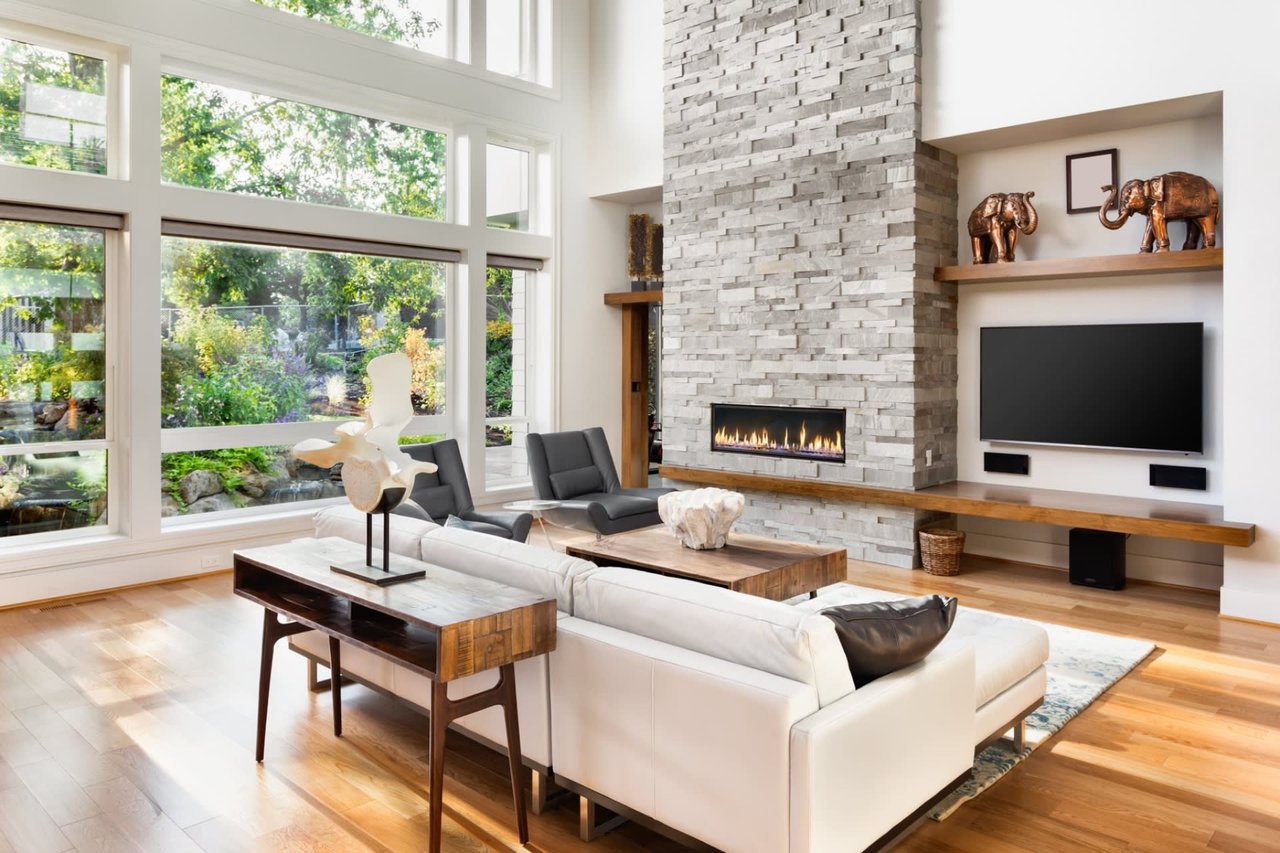
- Occupied homes: declutter, depersonalize, and rearrange for flow. Neutral color and light styling help rooms feel larger and brighter.
- Vacant homes: staged furniture in key rooms often improves photos and buyer perception.
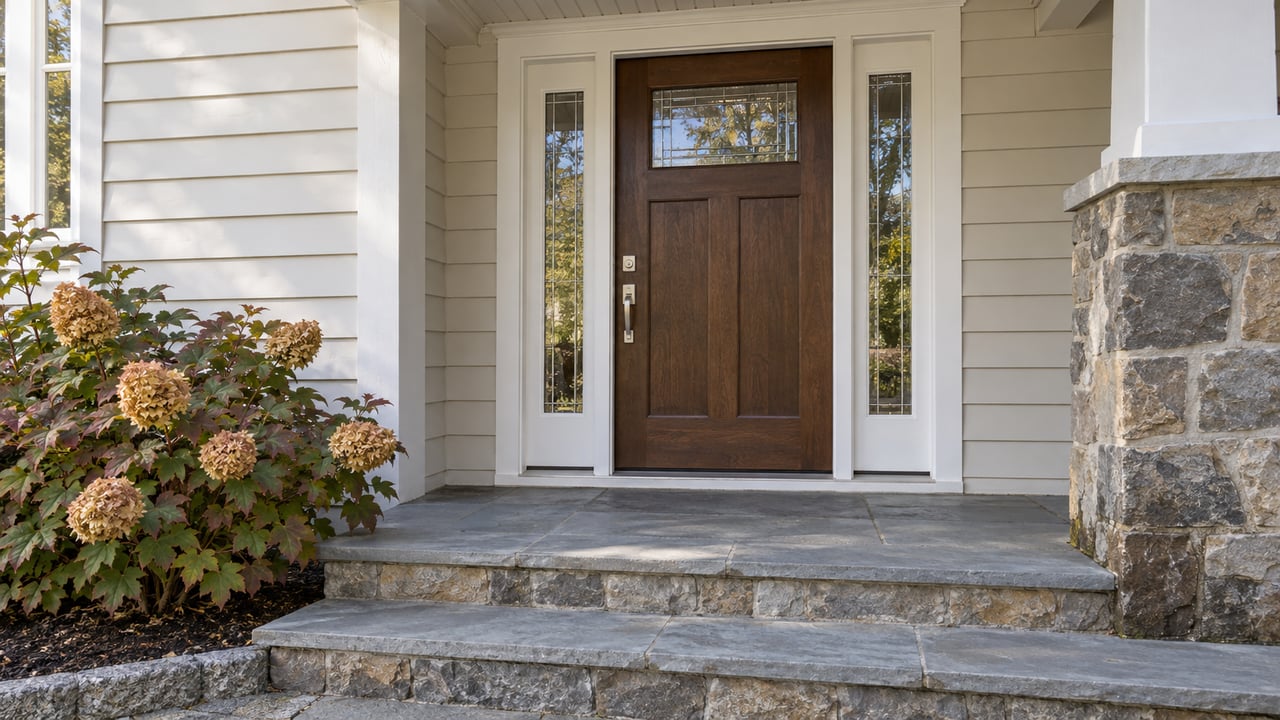
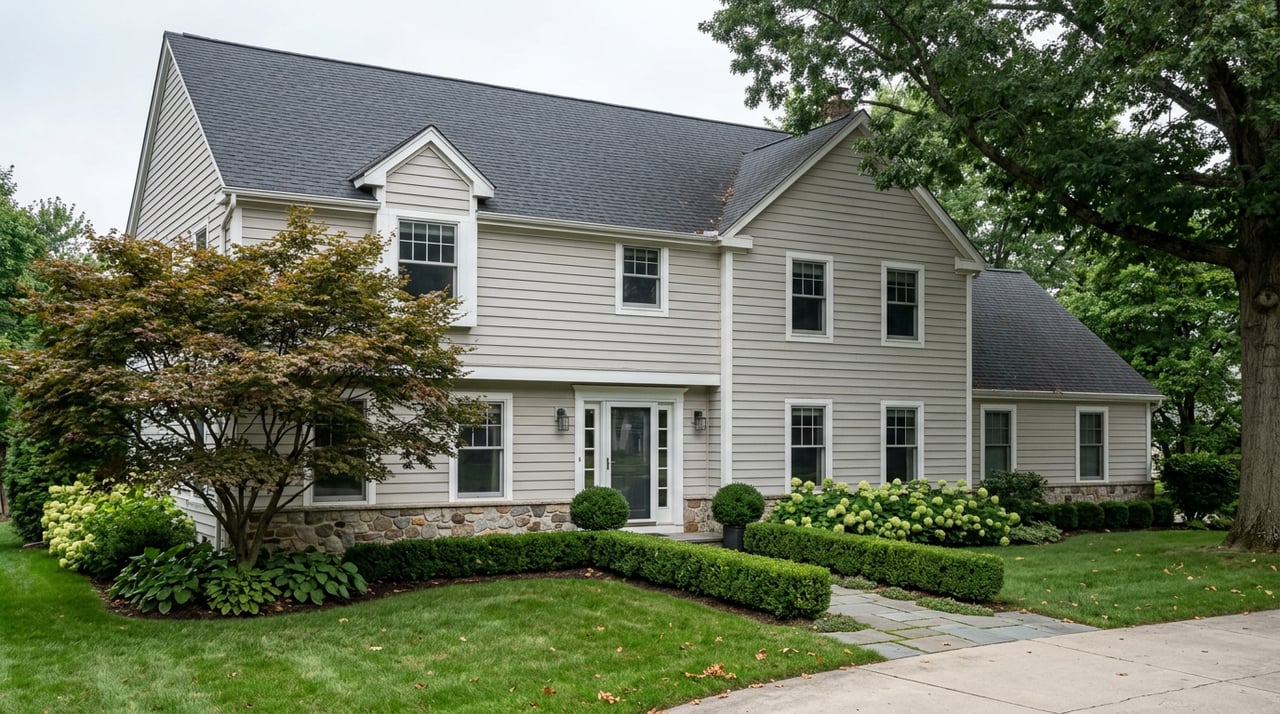
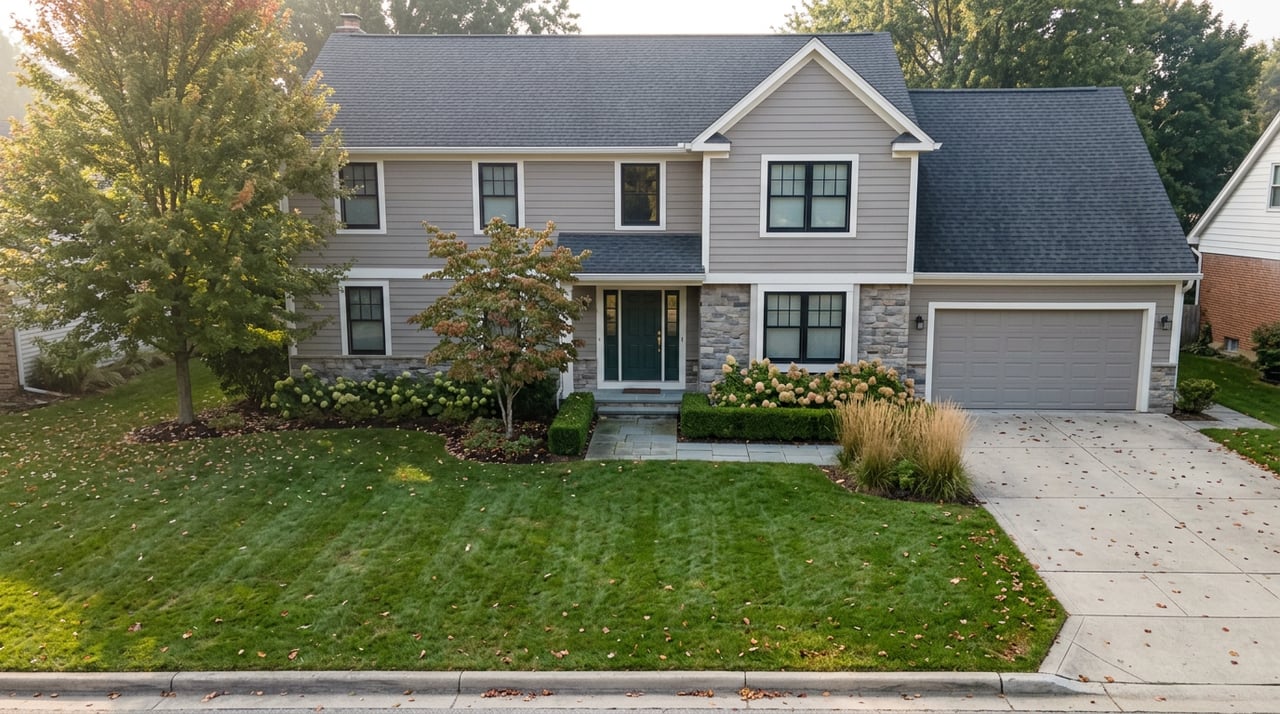
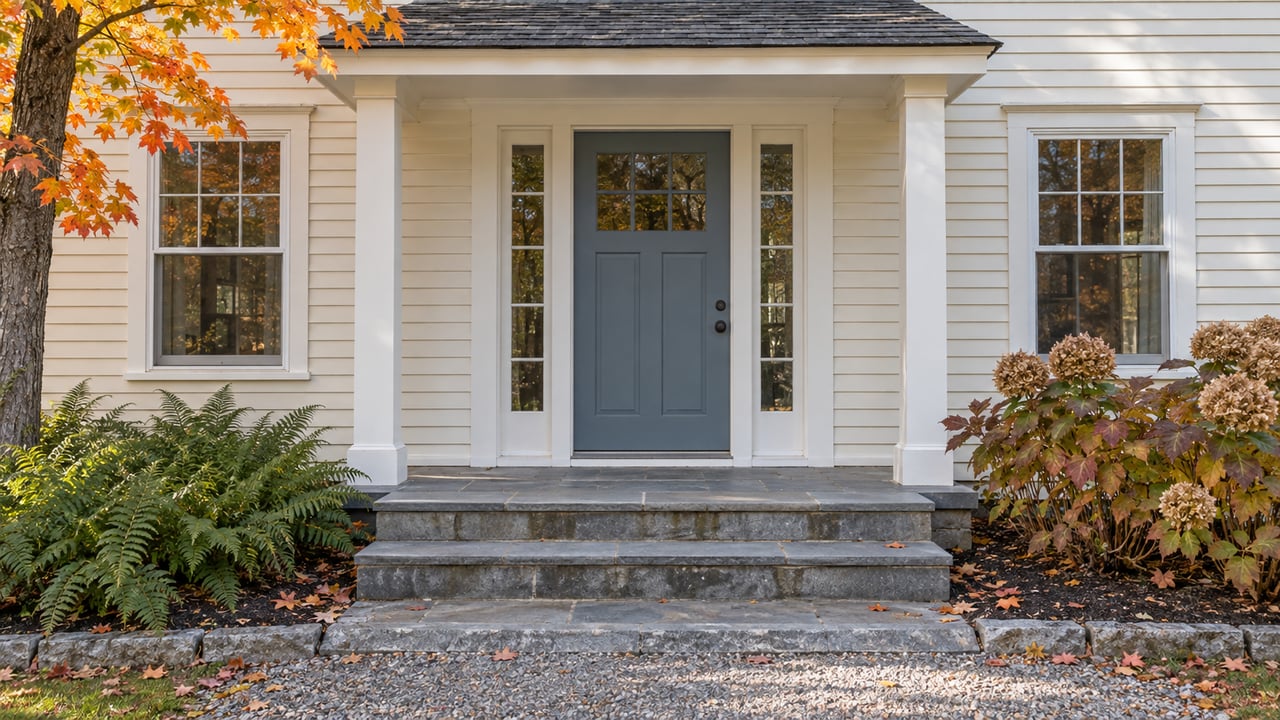
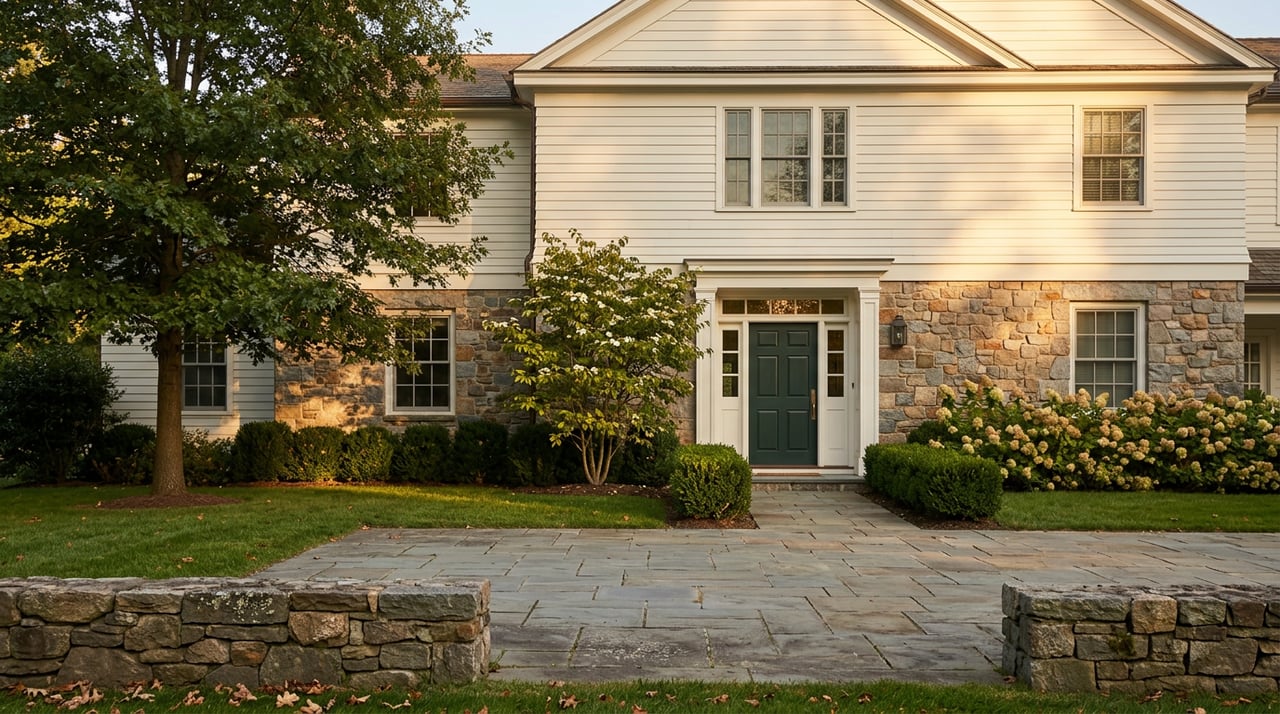
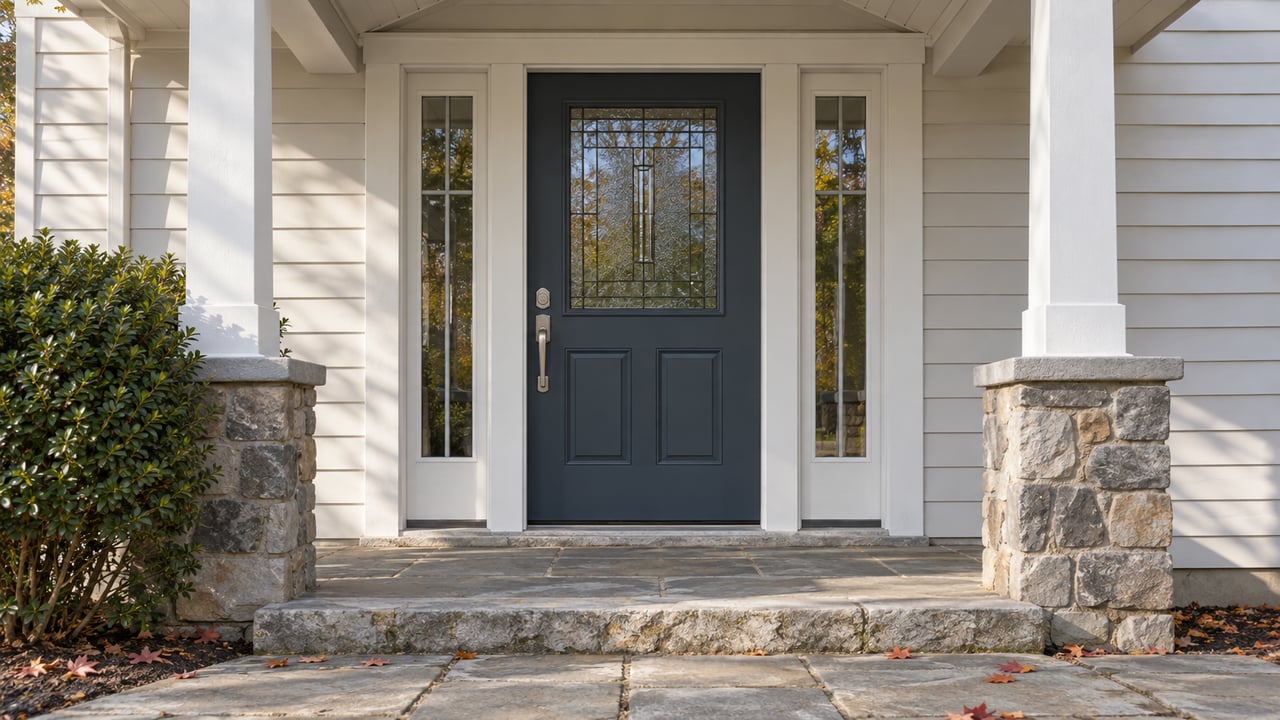
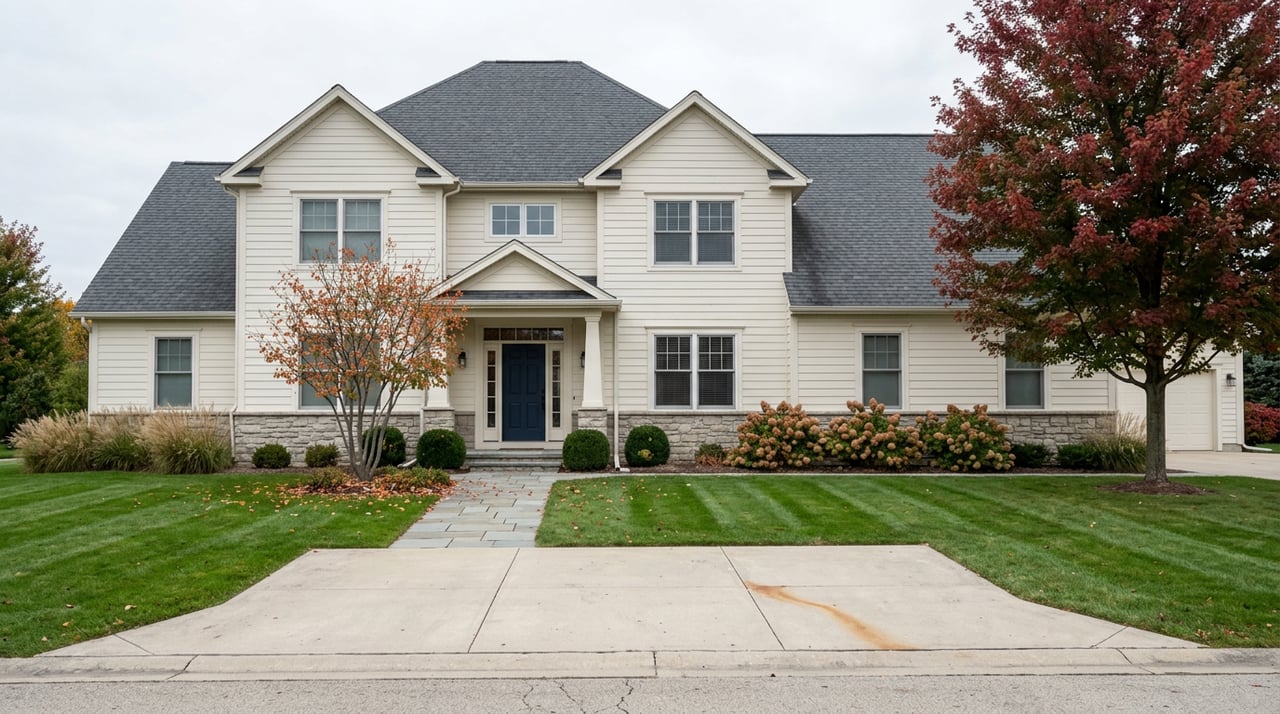
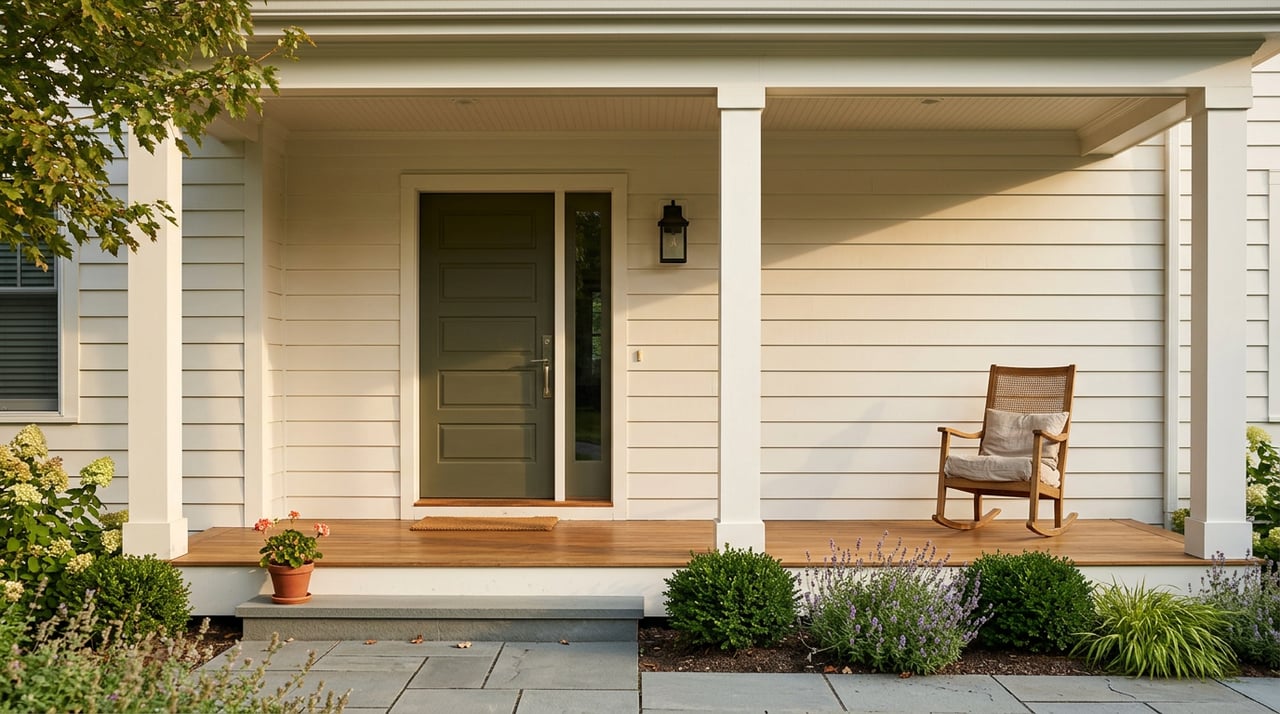
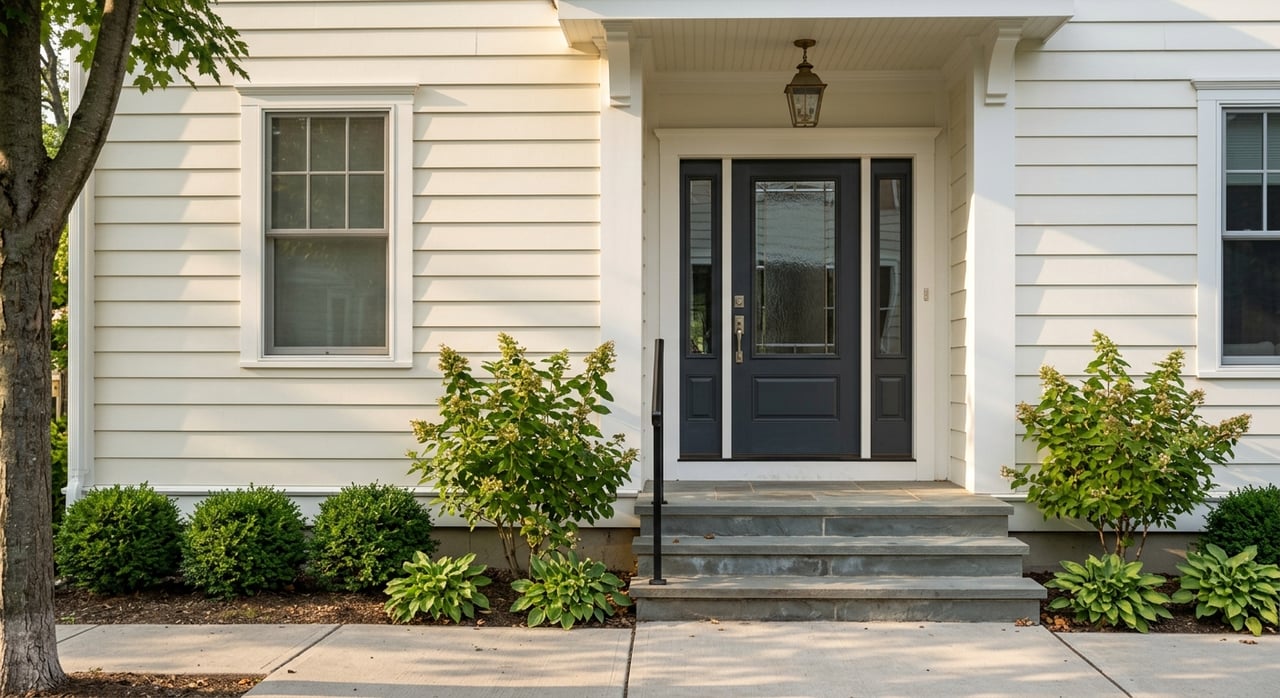
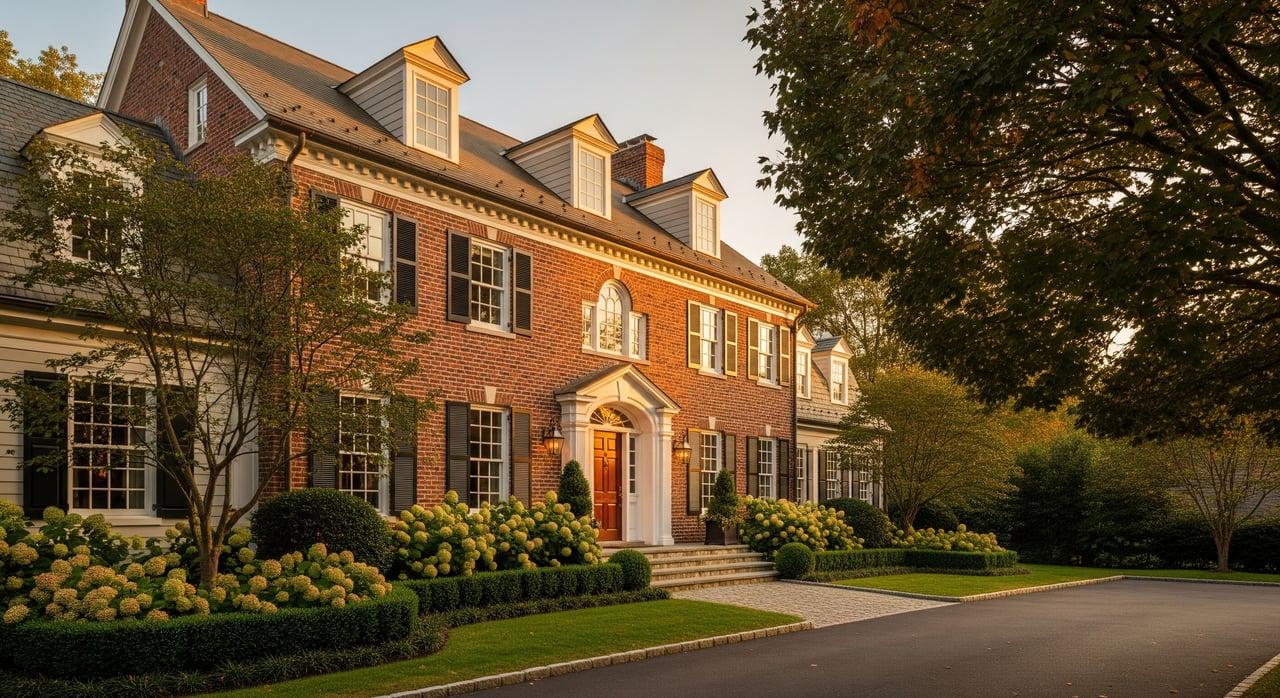
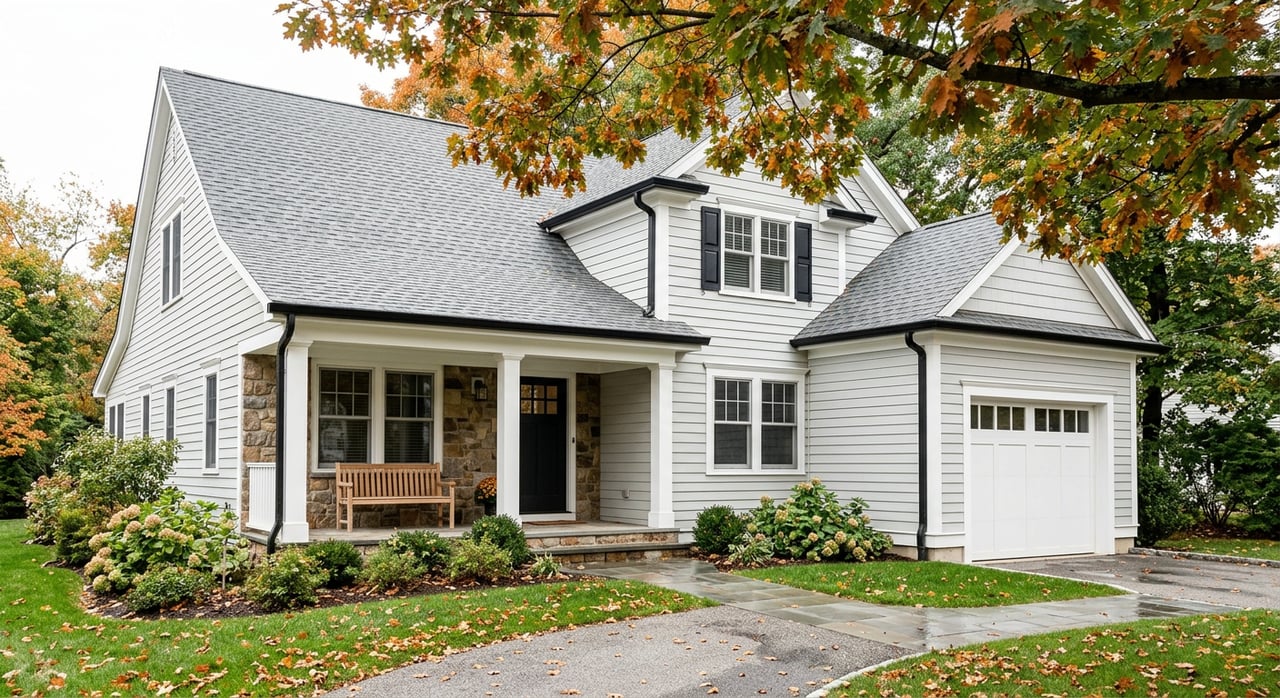
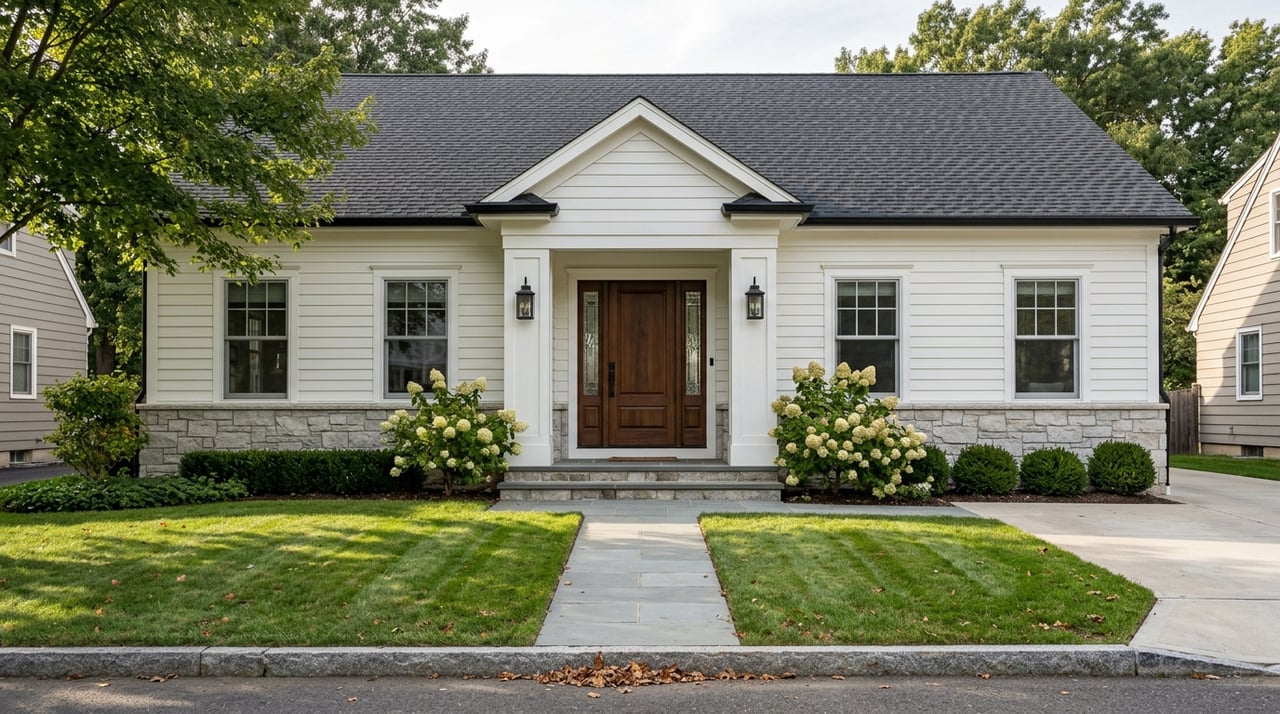
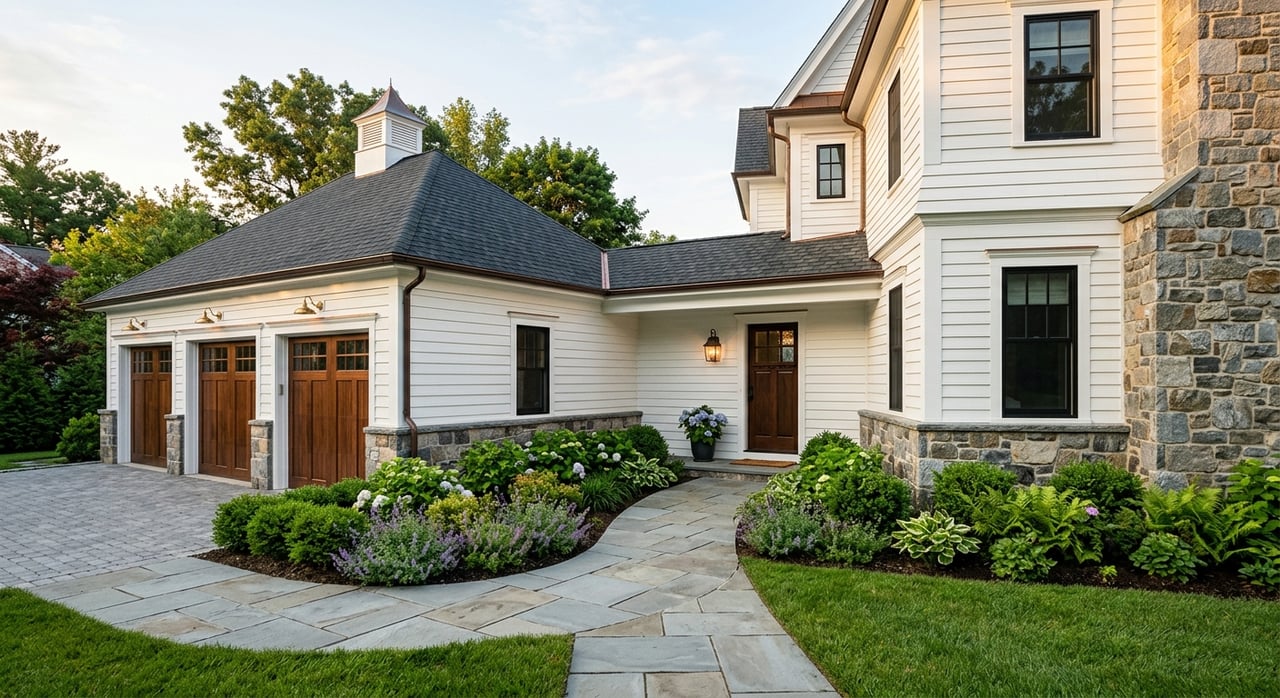
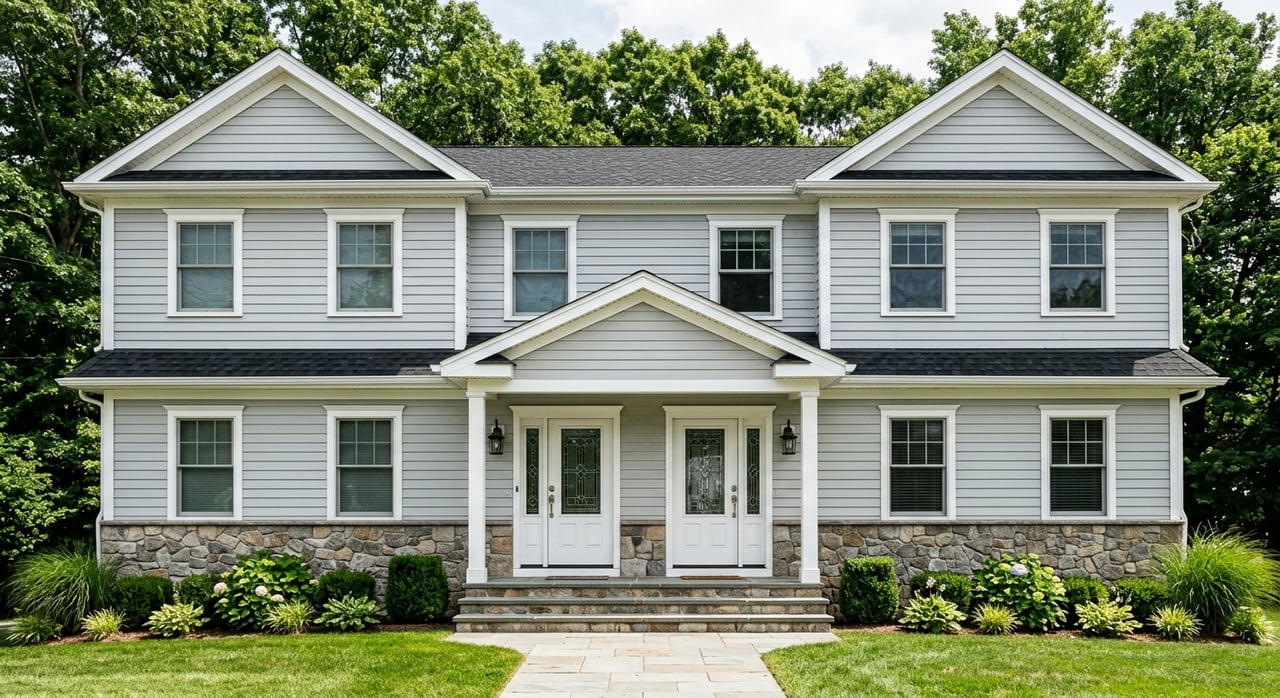
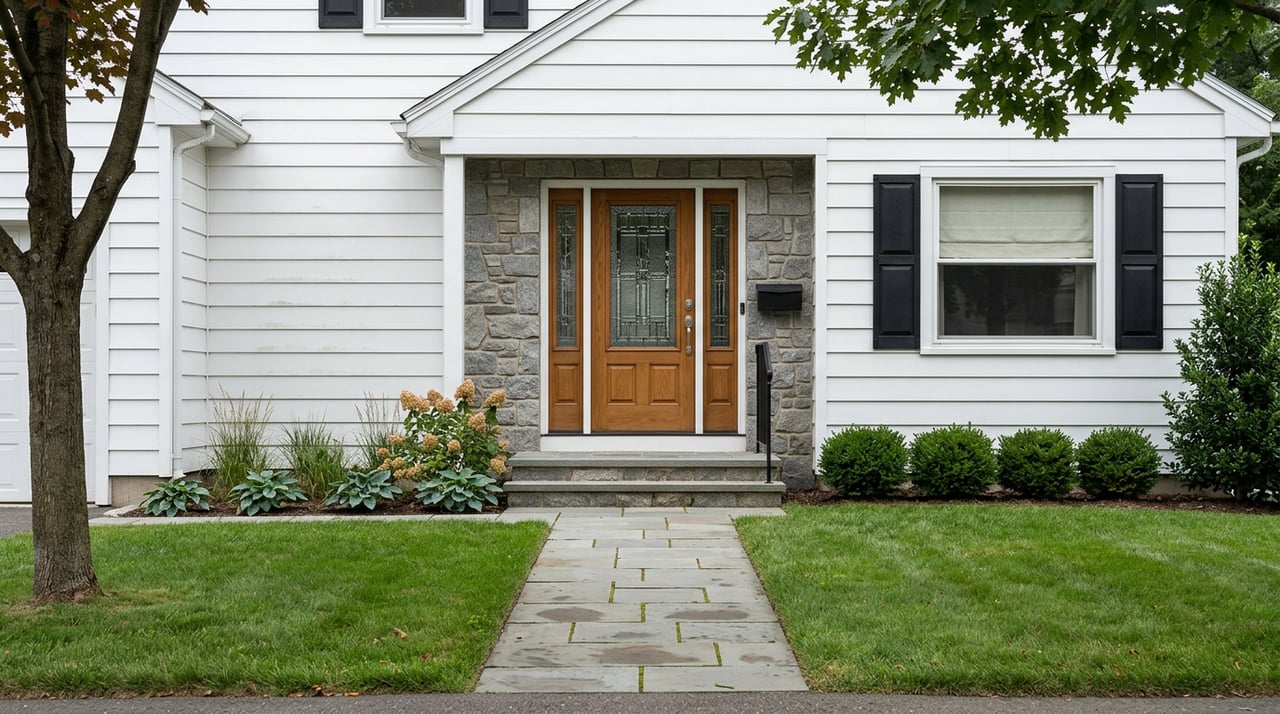
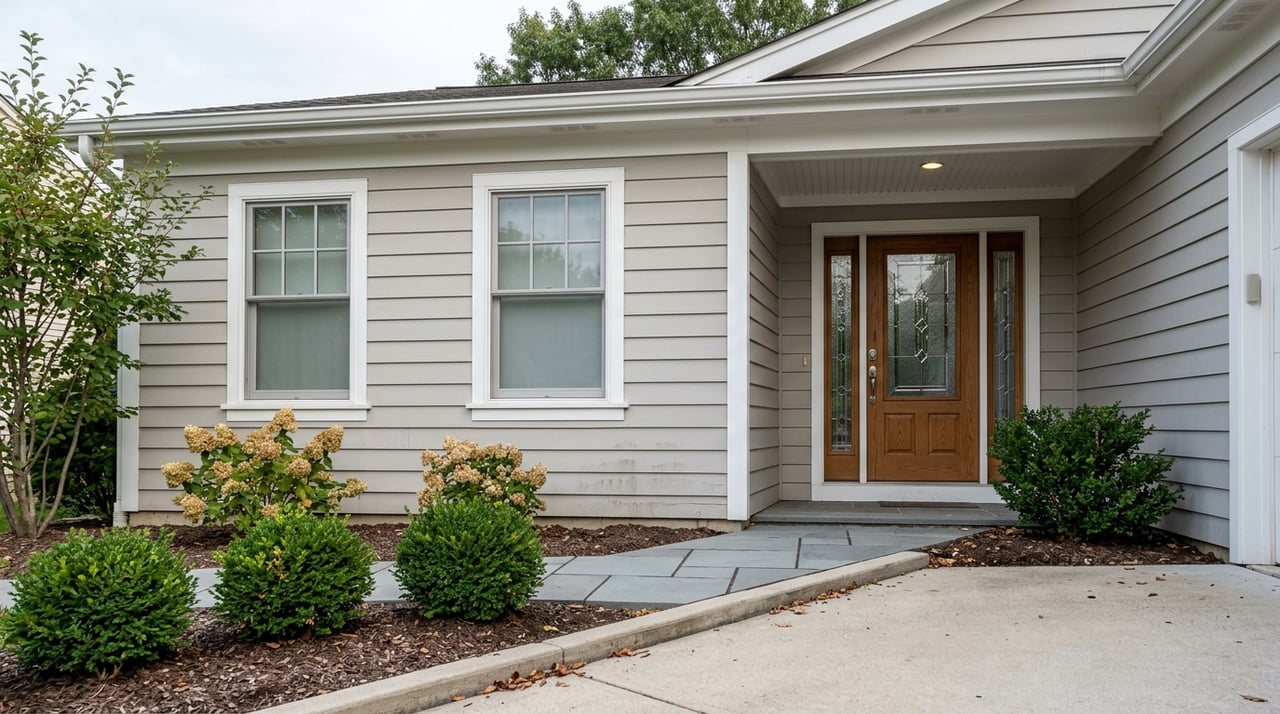
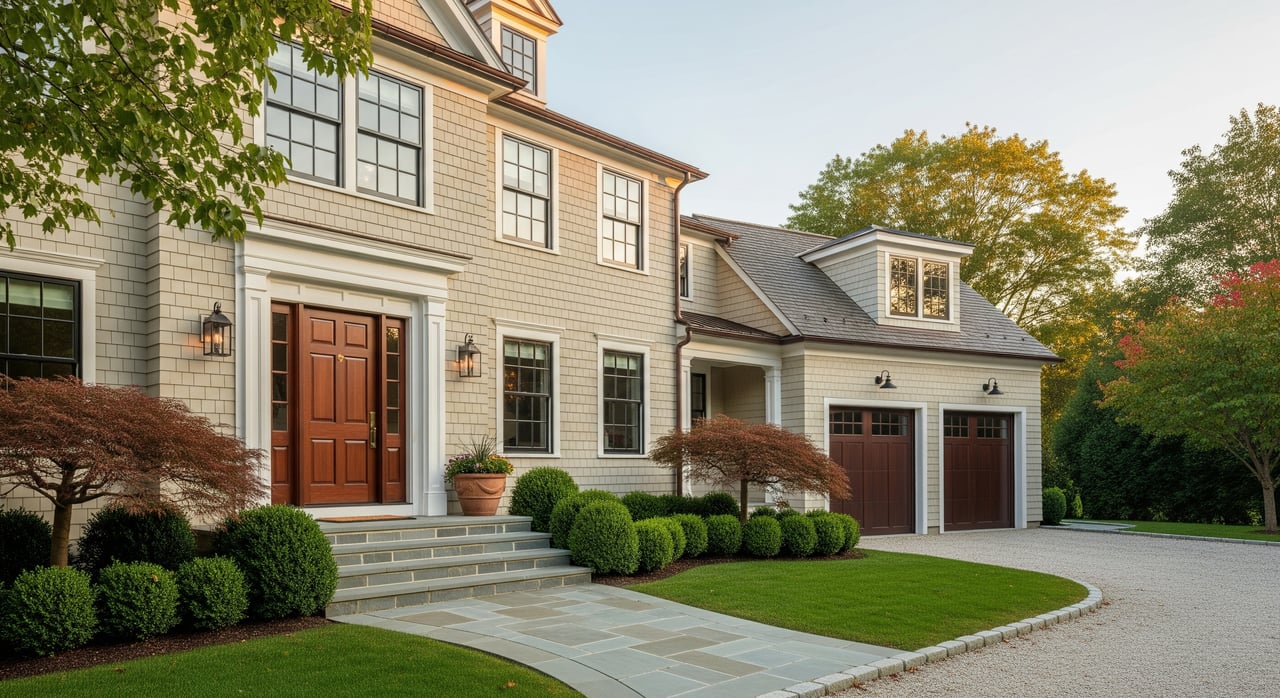
- Curb appeal: tidy landscaping, power washing, and a fresh front door look create a positive first impression.
Visual assets
- Professional interior and exterior photos.
- Floor plans and 3D or virtual tours for remote buyers.
- Short video walkthroughs; drone photos for larger lots or special settings.
Why it works
- Industry research from the National Association of REALTORS indicates that effective staging helps buyers visualize the property and can shorten time on market.
Typical investments
- Photography: about $150 to $500.
- Staging consultation: about $150 to $500.
- Full staging rental: commonly $300 to $1,200 per month for typical single-family rooms.
We track how staging influences results by monitoring showings per week, days on market, and the list-to-sale price ratio. These are the numbers that matter when you sell.
Step 3: Launch and marketing
Your first two weeks on market set the tone. We build a launch that reaches qualified buyers quickly and clearly.
Must-have listing elements
- Accurate description with clear features, improvements, lot details, and nearby amenities.
- Full photo gallery, floor plan, and virtual tour links.
- Clear room dimensions and standout upgrades buyers value.
Where buyers see your home
- CTMLS syndication to major home search sites ensures broad exposure.
- Targeted social campaigns and email alerts to our buyer network and local agents.
- Broker tours and open houses based on your preferences.
Pricing strategy
- Market-match pricing: align with recent comparable sales in a stable market.
- Slightly under market: drive more traffic and potential multiple offers in low-inventory conditions.
- Above market: considered only when unique features support it.
- We use a current CMA with days-on-market and absorption insights to set the initial list price and adjust if needed.
Launch timeline
- Once prep and staging are complete, we can finalize photography and listing creation in 3 to 7 days.
- The marketing push is most intense in the first 7 to 14 days to capture maximum attention.
We set targets for showings per week, online engagement, and feedback so you know exactly how your listing is performing.
Step 4: Negotiation and inspections
When offers arrive, you deserve clear comparisons and strong advocacy. We evaluate each offer on price and terms, then help you negotiate for the best overall outcome.
Offer evaluation checklist
- Purchase price, earnest money, and buyer financing or cash status.
- Contingencies: inspection, appraisal, and financing.
- Closing timeline, seller concessions, and any special terms.
- Tools to consider: escalation clauses, inspection repair caps, and appraisal gap solutions.
Inspection phase
- Buyers typically order a home inspection.
- You can address repairs, offer credits, or renegotiate price based on findings.
- Pre-list inspections and having repair quotes ready keep momentum and minimize stress.
Appraisal and financing
- If the appraisal comes in low for a financed buyer, options include a price adjustment, buyer covering the difference, or lender reconsideration with additional data.
Typical timelines
- Negotiation to acceptance: often 1 to 7 days.
- Contract to close: about 30 to 45 days for conventional loans; certain loan types may take longer.
Our role is to manage risk, protect your leverage, and keep the deal moving to a successful closing.
Step 5: Closing and post-close
We coordinate the legal, financial, and logistical steps so you can plan your move with confidence.
Connecticut closing basics
- Title search and title insurance, final walk-through, settlement statement, and deed recording.
- Most Connecticut transactions use attorneys at closing.
Common seller costs
- Agent commission, attorney fees, prorated property taxes, mortgage payoff, and any agreed credits.
- Connecticut conveyance taxes may apply based on transaction details.
After closing
- Transfer or cancel utilities and schedule final meter readings.
- Set up mail forwarding and provide warranty or service information for systems and appliances.
- Keep records that support your tax basis.
The goal is a smooth handoff with no loose ends, from the final walk-through to the key exchange.
What success looks like
We document your results with clarity. Every listing story we share includes the prep plan, staging approach, pricing strategy, and final outcomes.
Metrics we track
- Days on market, weekly showings, and online engagement.
- Number of offers and percent sold over list price.
- Cost of prep and staging compared to added sale proceeds.
- Time from accepted offer to close and net seller proceeds after typical costs.
Case study framework
- Address or neighborhood context, pre-list condition, list price, final sale price, days on market, offer count, and key negotiation wins.
- Before-and-after visuals that highlight high-impact changes like paint, lighting, and curb appeal.
- A short narrative of your goals, the process, challenges we solved, and the final result.
These details show how preparation and presentation translate into stronger offers and smoother closings.
Local requirements to know
Selling in South Windsor comes with a few state and local items to keep in mind. We guide you through each one.
Disclosures
- Federal lead-based paint disclosure for homes built before 1978.
- Connecticut sellers typically disclose known material defects using standard forms. Your attorney will confirm the exact requirements.
Safety devices and health
- Connecticut requires smoke and carbon monoxide alarms in residences.
- Radon is common in parts of Connecticut. Testing is often requested and mitigation is well understood if needed.
Permits
- Any structural or mechanical work completed before listing should be properly permitted and closed out with the Town of South Windsor when required.
Utilities and municipal accounts
- Coordinate final readings and notify the town of your closing date, especially for refuse and sewer or water accounts if applicable.
Staying compliant protects your transaction and keeps your timeline on track.
Your timeline at a glance
- Week 1 to 4: Prep and repairs, pre-list inspection if chosen.
- Week 2 to 4: Staging, curb appeal, and professional photography.
- Week 3 to 5: Listing launch, first 7 to 14 days of intensive marketing.
- Week 4 to 8: Offer, negotiation, and inspections.
- Week 6 to 12: Appraisal, financing, and closing logistics.
Every sale is unique, but a clear sequence keeps momentum and reduces stress.
Why sellers choose us
You want boutique-level service with big-market reach. Our team pairs a repeatable process with personalized care so you never wonder what comes next.
Proven system and scale
- Our proprietary 5-step system is built on more than two decades of experience, 1,000-plus closings, and over $300 million in sales across Greater Hartford.
- As part of Coldwell Banker Realty, your listing benefits from national marketing channels and relocation networks.
Presentation-first approach
- Professional staging and photography are core to how we market your home, not add-ons.
- We set measurable goals for showings, offers, and days on market so you can see progress.
Clear, responsive communication
- We coordinate vendors, timelines, and documents, and we keep you informed at every step.
Ready to sell with a clear plan and a confident partner by your side? Request a complimentary home valuation with The Corrado Group to get started.
FAQs
How long does it take to sell a South Windsor home using this system?
- Most sellers move from prep to closing within 6 to 12 weeks, depending on repair scope, buyer financing timelines, and market conditions.
How much should I budget for prep and staging in South Windsor?
- Many sellers invest a few hundred to a few thousand dollars for touch-ups and a staging consult, with full staging rentals starting around a few hundred per month for key rooms.
Do I need a pre-listing inspection in Connecticut?
- It’s optional, but it can reveal issues early and help you negotiate on your terms; buyers will still likely conduct their own inspection.
What disclosures are required when I sell in South Windsor?
- You must provide a federal lead-based paint disclosure for pre-1978 homes and disclose known material defects using standard Connecticut forms with your attorney’s guidance.
What if the appraisal comes in lower than the offer price?
- You can renegotiate price, ask the buyer to cover the gap, or request lender reconsideration with additional comparable sales data.
Do I need permits for pre-list repairs or updates?
- Yes for certain work, especially structural and electrical or plumbing; check permit requirements with the Town of South Windsor before starting.