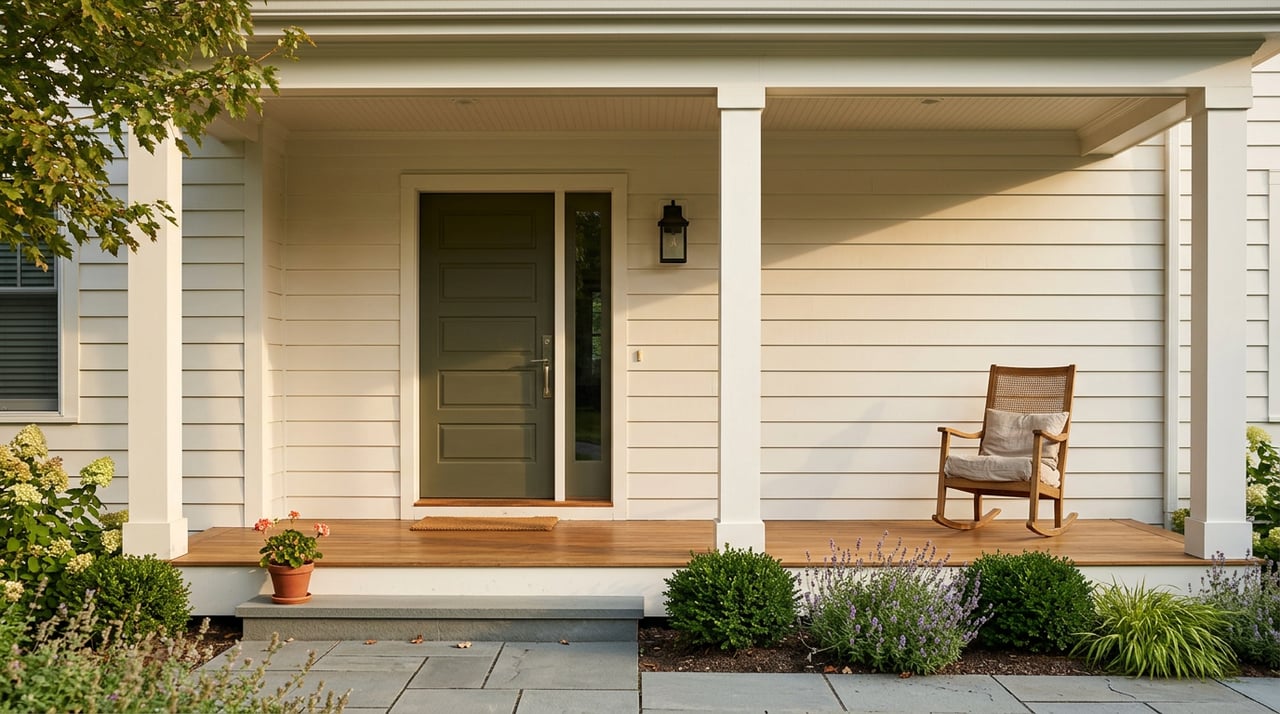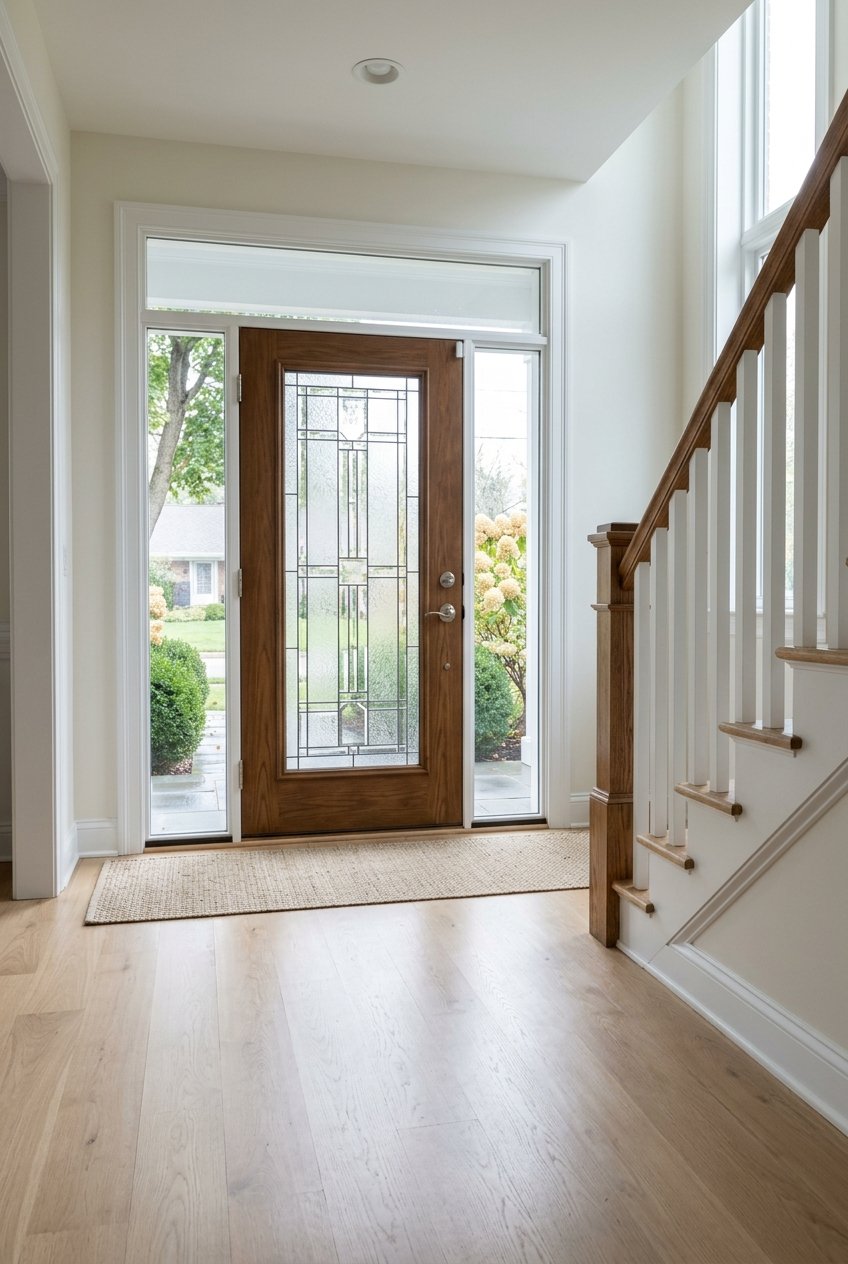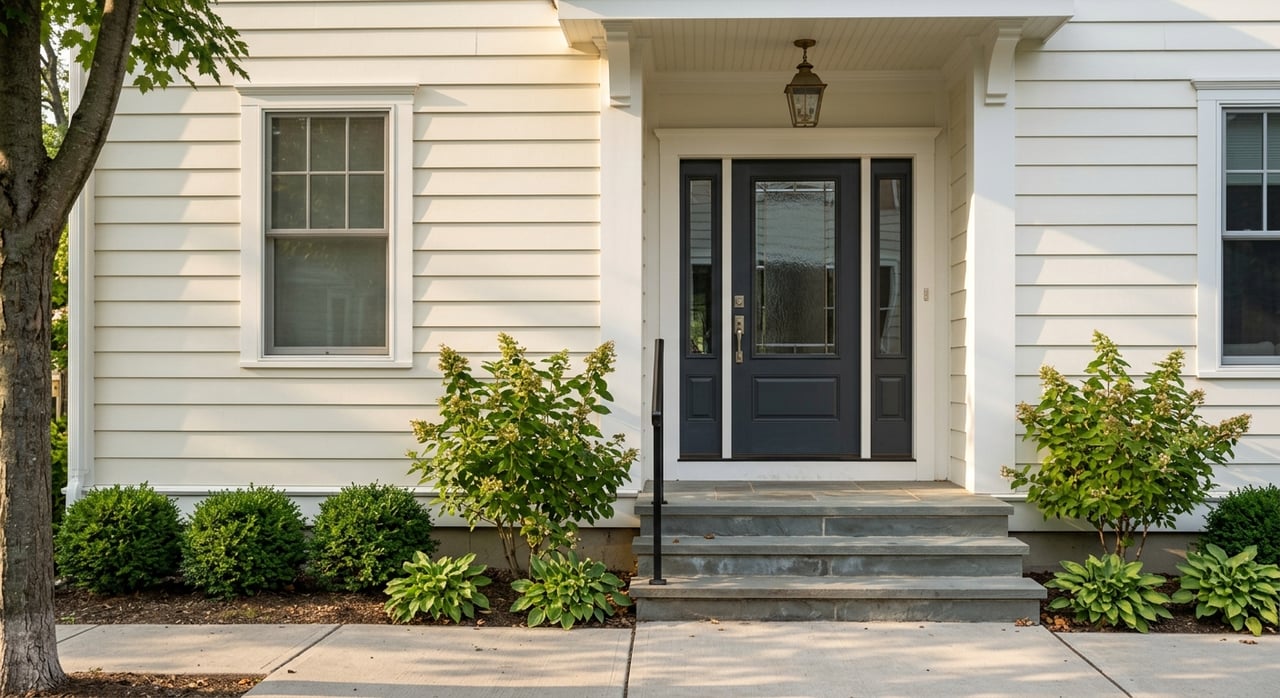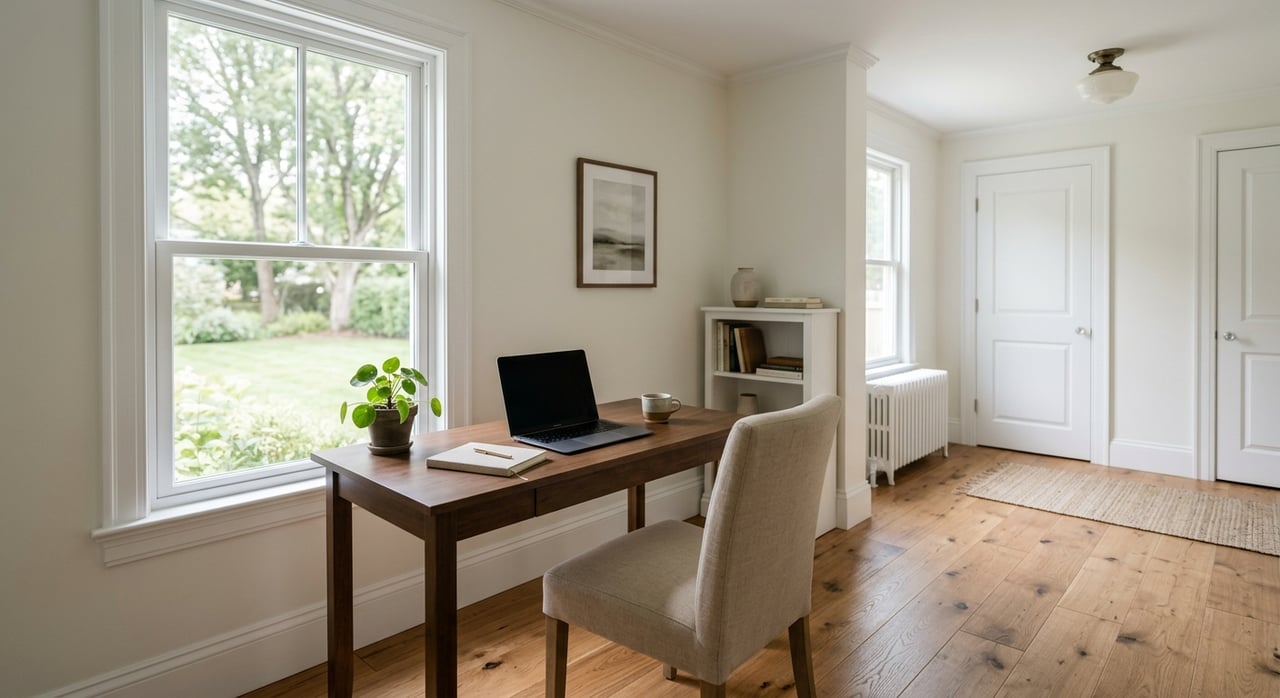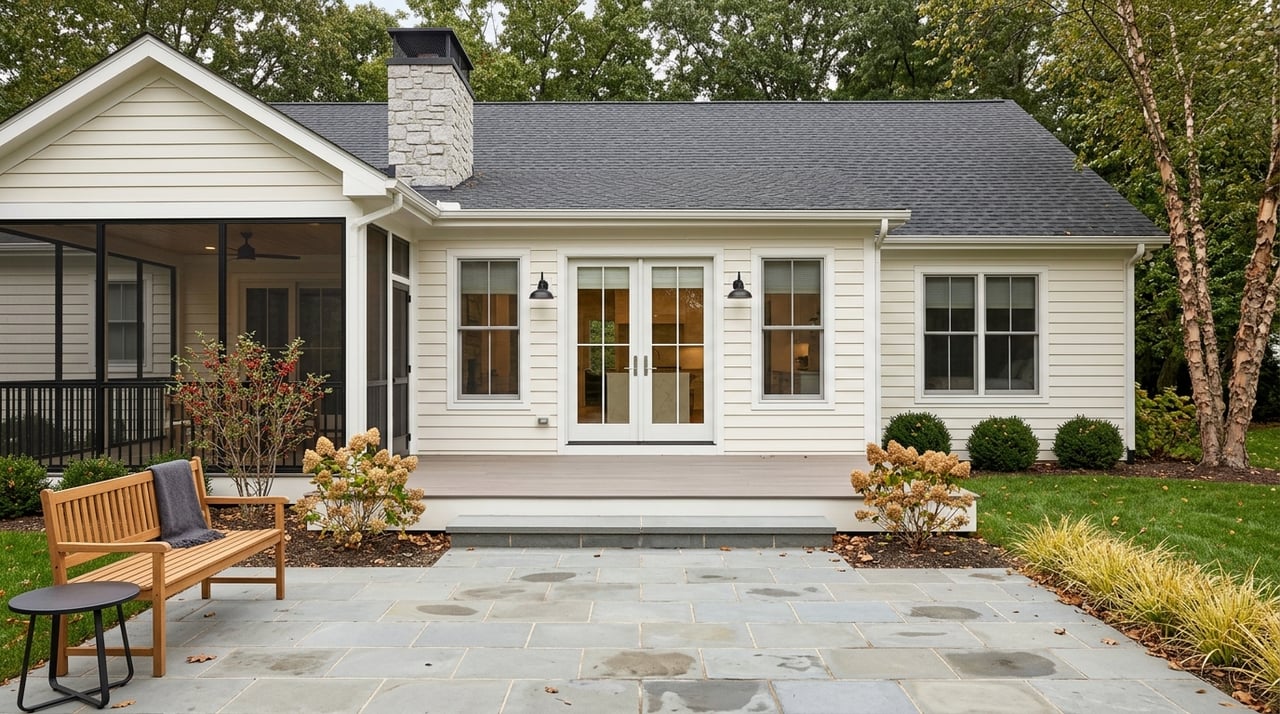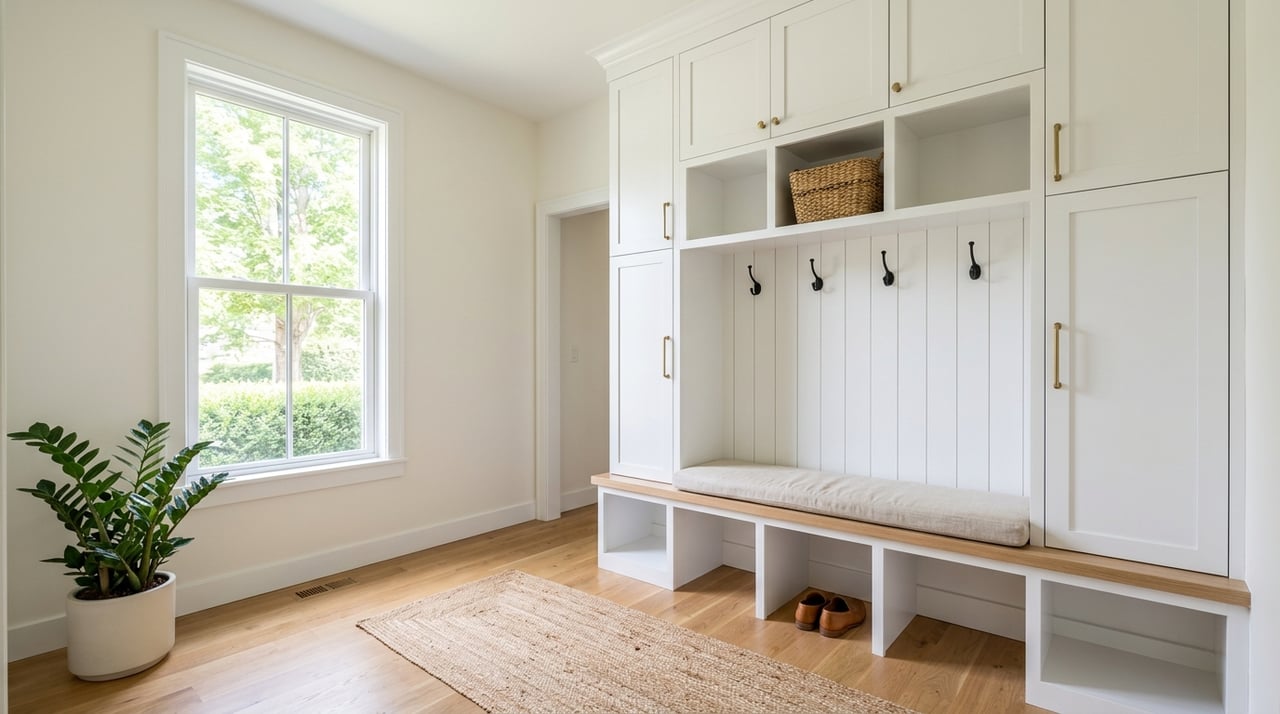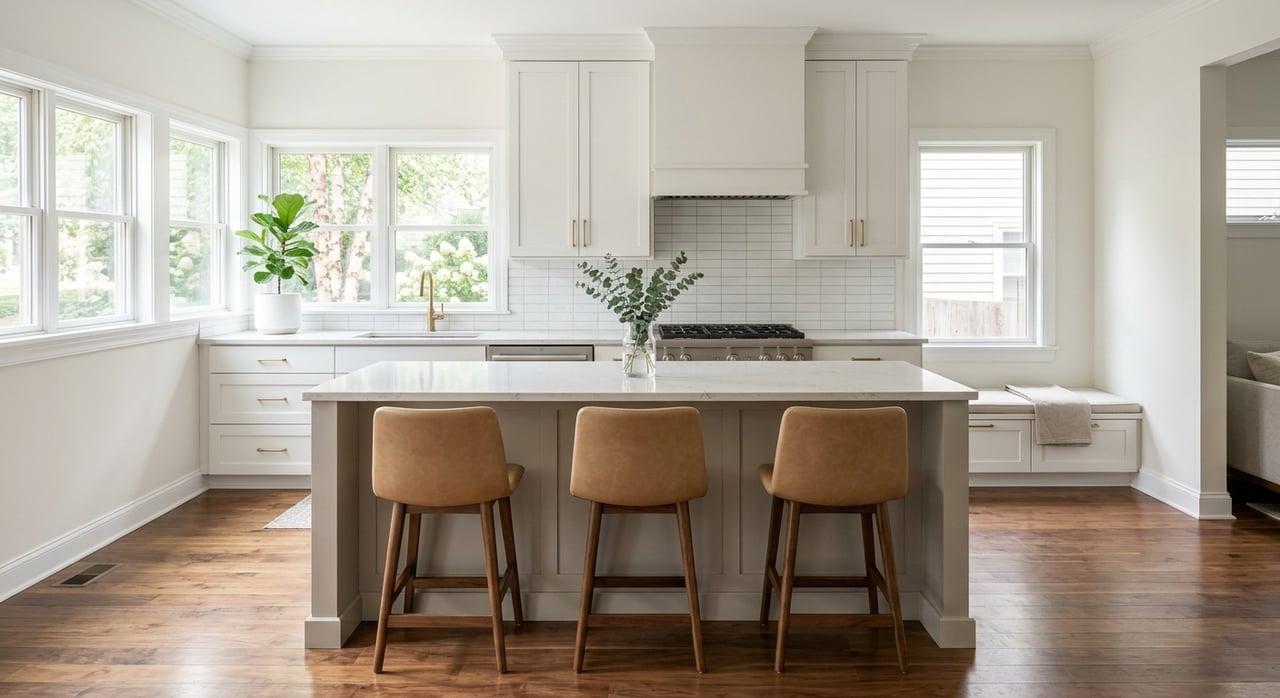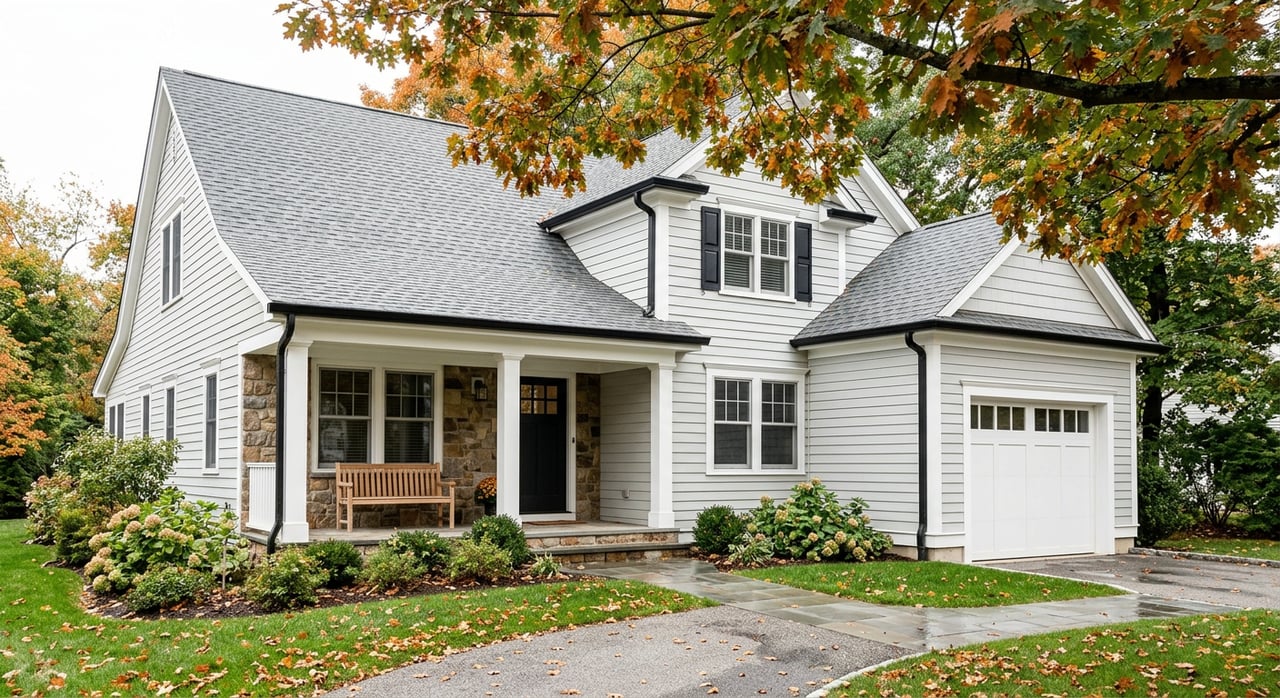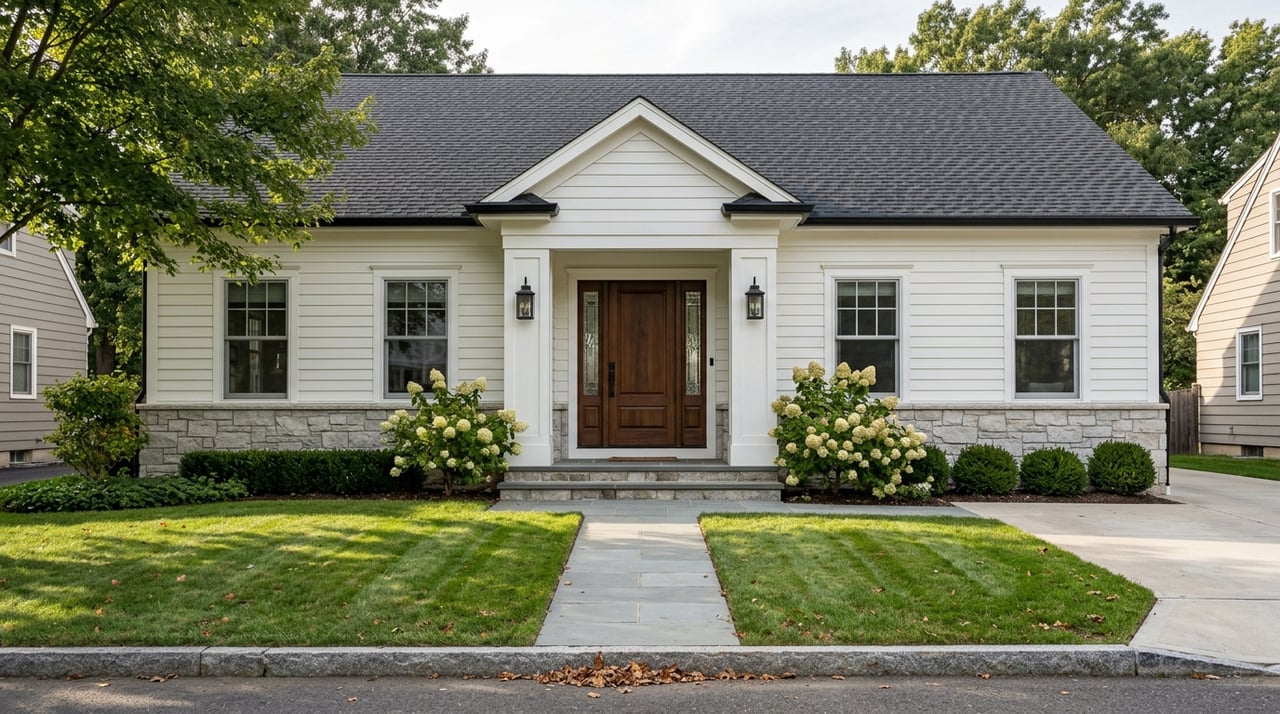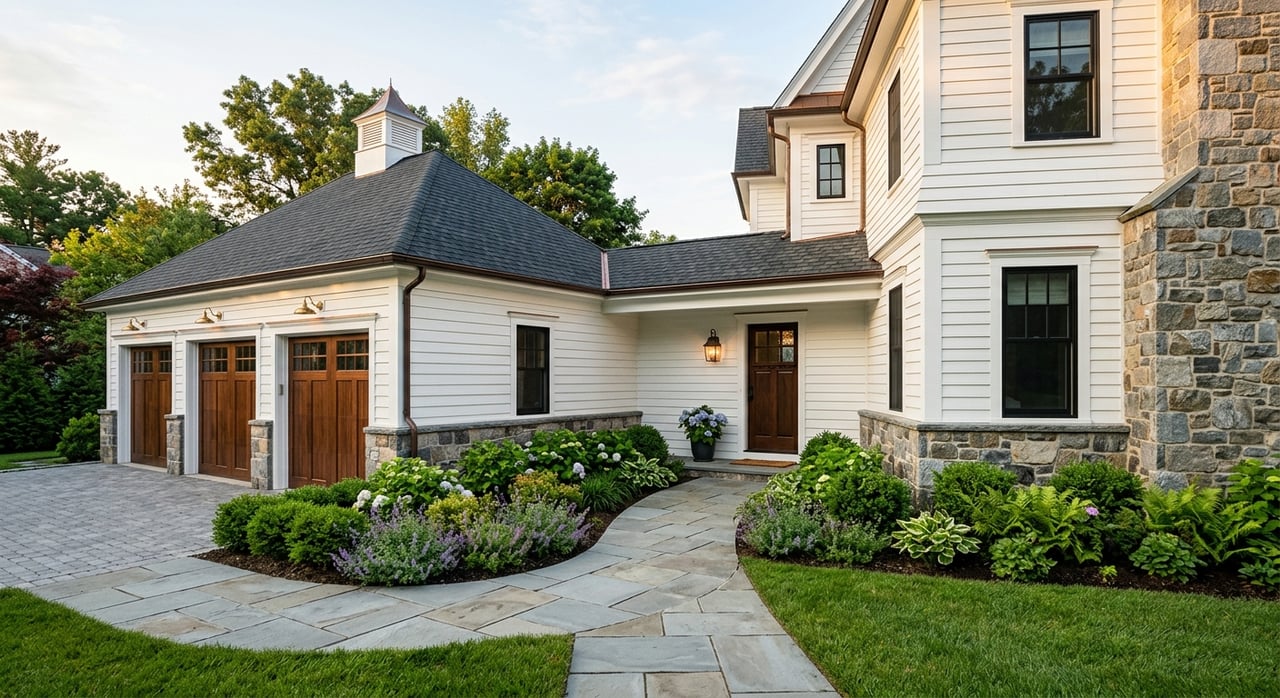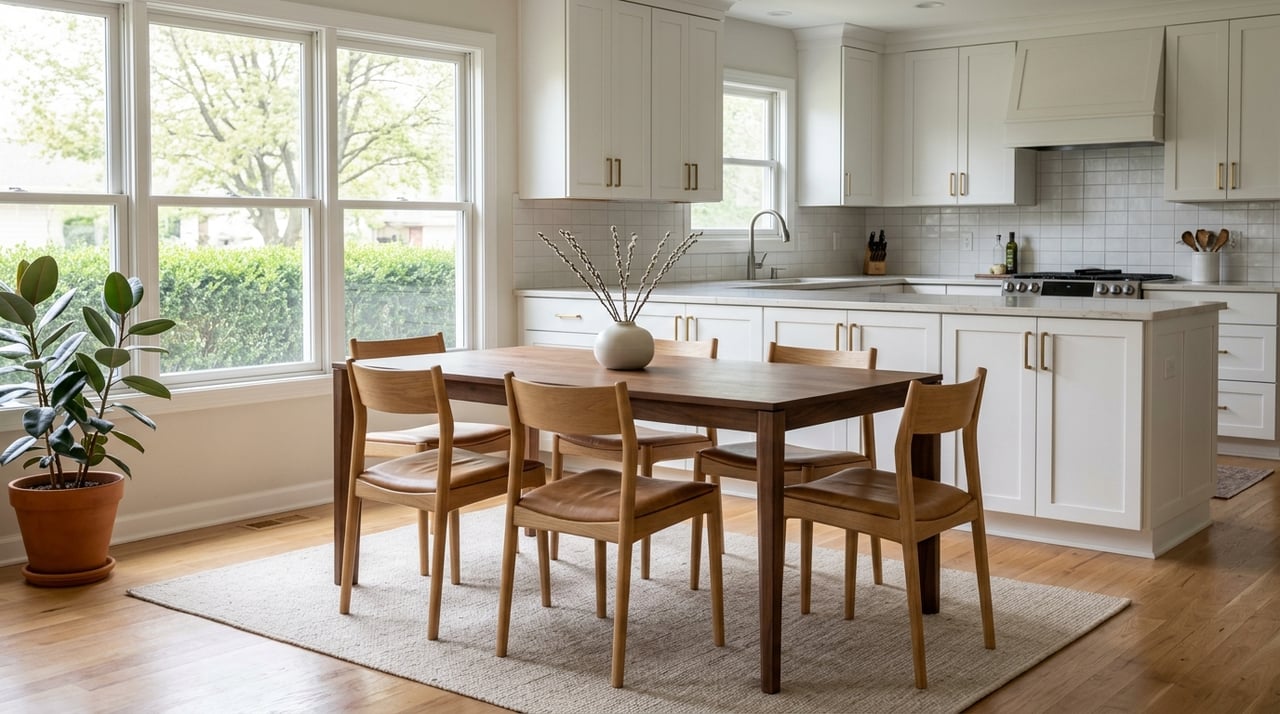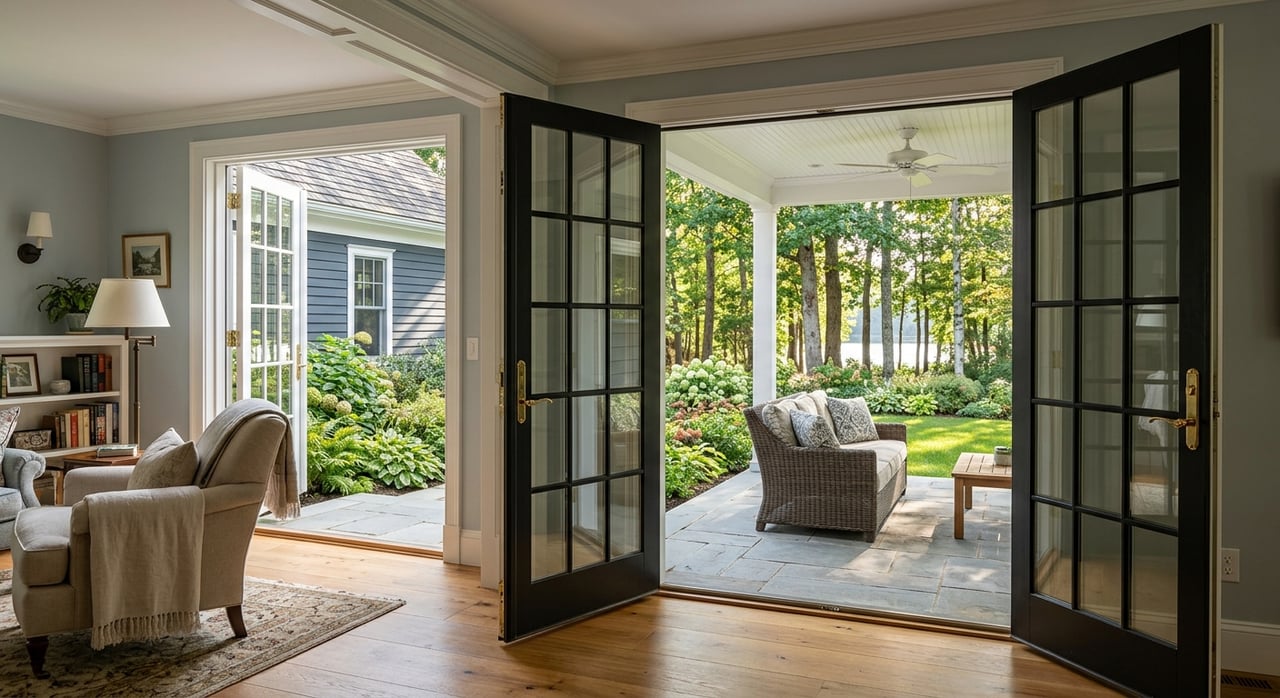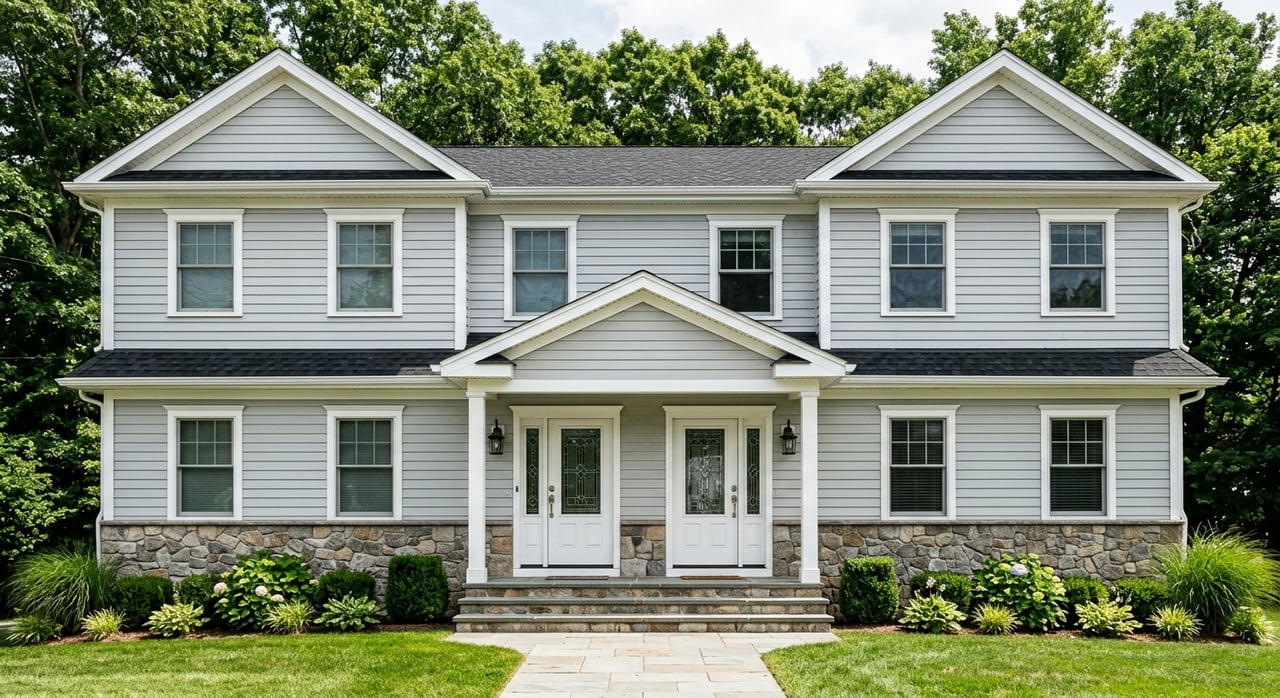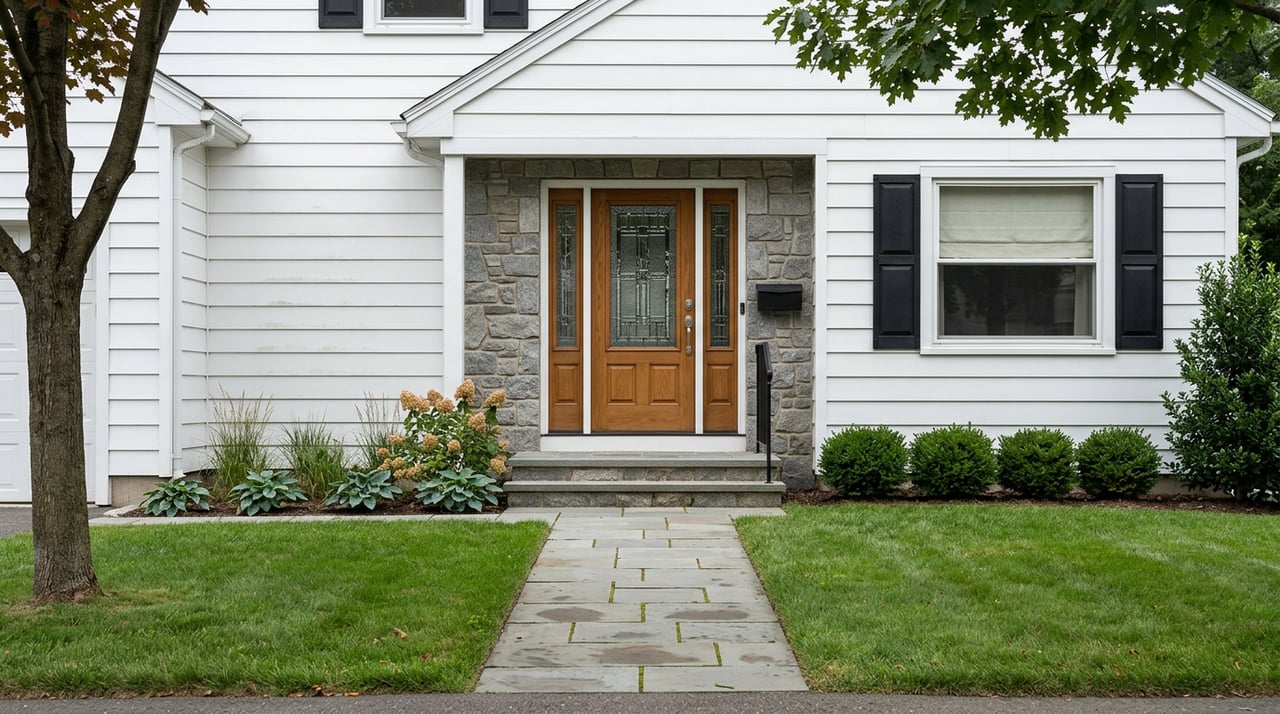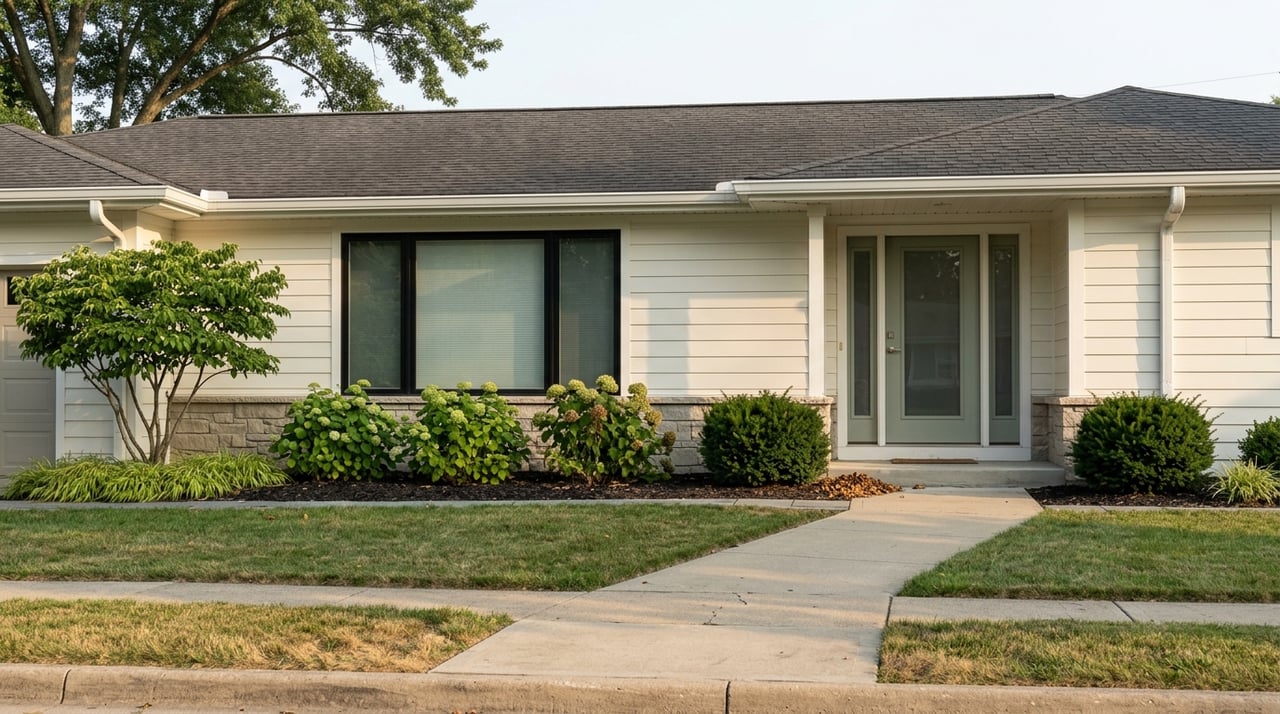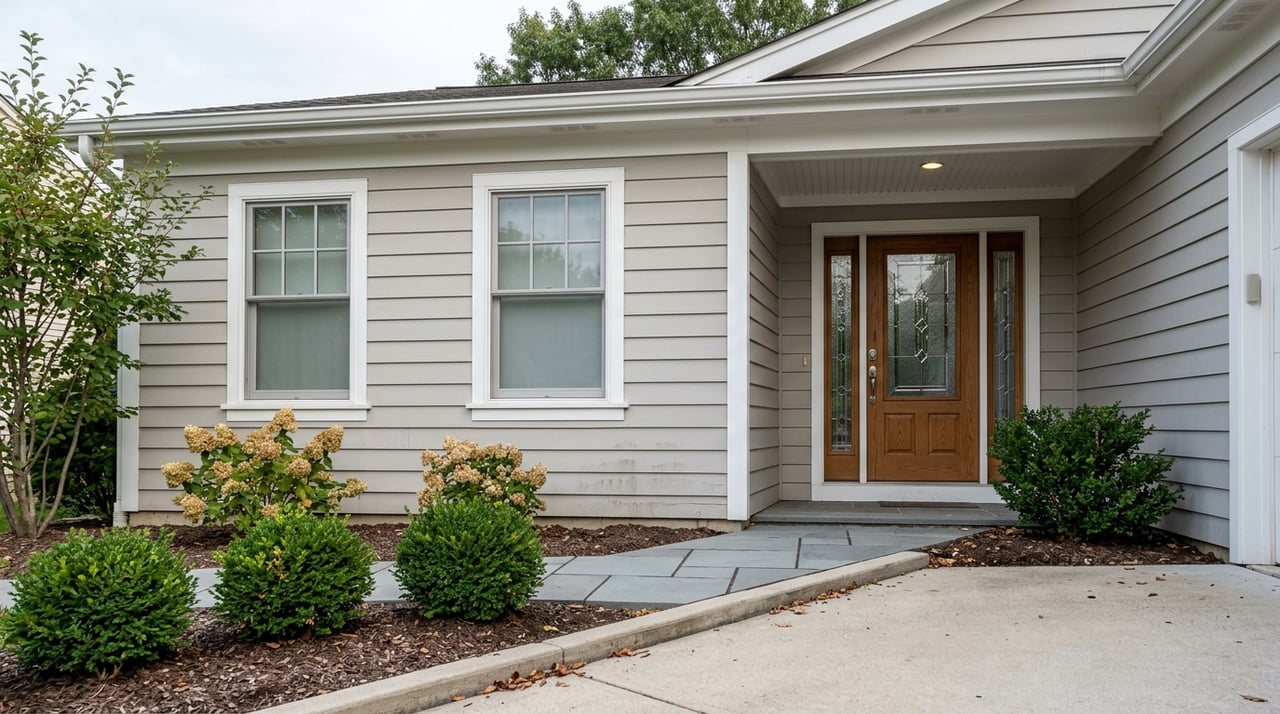
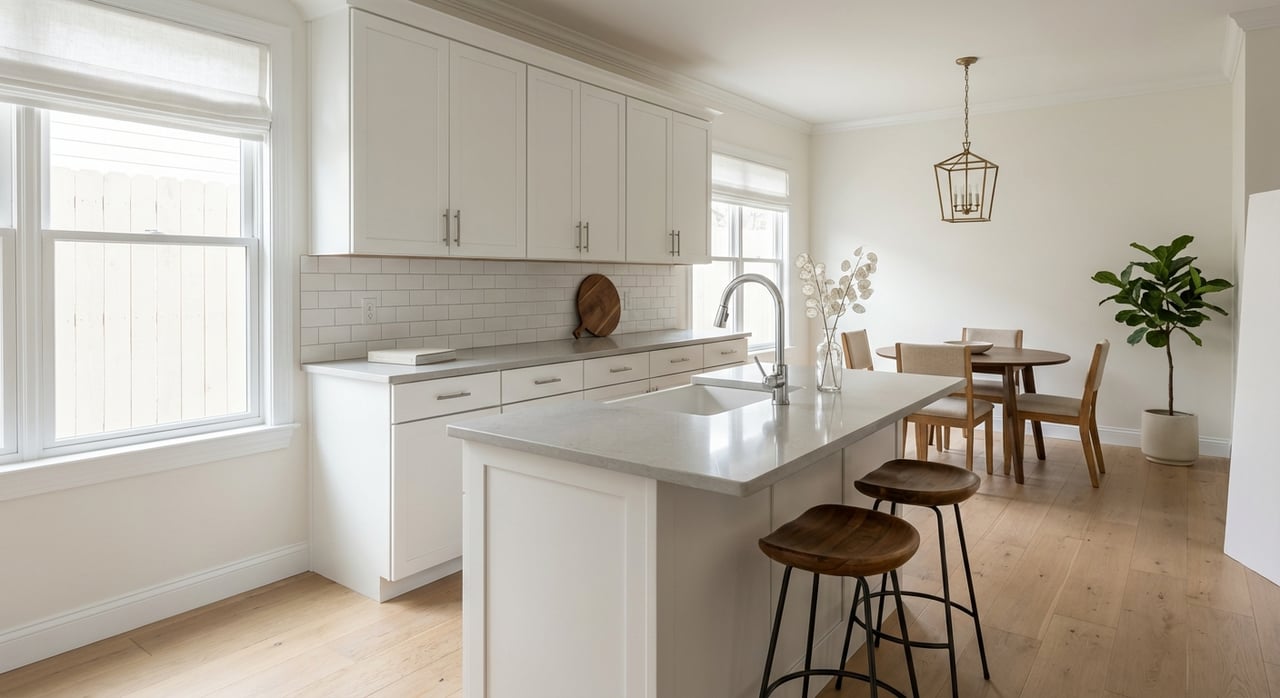
You want your Glastonbury home to stand out, sell smoothly, and close at a price you feel great about. The upper tier of the market brings discerning buyers and close comparisons, which can feel like pressure. With the right prep, clear timelines, and professional presentation, you can shift that pressure into an advantage. This guide shows you how to prep a high-end Glastonbury listing with confidence, from staging and media to disclosures and negotiation. Let’s dive in.
What “high-end” means in Glastonbury
In real estate, luxury is often defined by percentiles. Many analysts use the top 10 percent of a local market to describe the luxury tier. That percentile approach fits Glastonbury, where typical values sit around $526,859, and seven-figure listings often represent the upper tier. Because the 90th percentile is a moving target, confirm the threshold with a current CMA before setting your price strategy.
Glastonbury Center shows competitive dynamics with short days on market and strong activity. Combined with the town’s high median household income and high owner-occupancy rate, buyers here expect quality and turnkey presentation. That is why smart staging, top-tier media, and a disciplined launch plan matter.
Set strategy first, then budget
Before you spend a dollar, frame your plan around three goals:
- Protect price by reducing surprises and elevating presentation.
- Compress days on market with a concentrated, high-quality launch.
- Keep leverage through inspection, appraisal, and contract checkpoints.
A focused plan also fits today’s conditions. The greater Hartford area has been named one of the hottest markets in early 2026, which means demand is solid but buyers still compare closely. Lean into presentation that justifies value and reaches the right audience during week one and two of your listing’s life. You can read more about this trend in recent coverage of Connecticut’s fast-moving markets from CT Insider.
Presentation that earns top offers
Staging priorities that move buyers
Staging helps buyers visualize living in your home, which can shorten time on market and improve offers. Industry reporting from the National Association of REALTORS highlights staging’s impact on buyer perception and sale outcomes. For upper-mid and luxury homes, focus on these high-impact spaces:
- Living and entertaining areas with balanced scale and seating
- The primary suite with crisp bedding, lamps, and decluttered surfaces
- The main kitchen, showcasing counters, lighting, and casual dining zones
- Outdoor rooms like decks, porches, or patios that signal lifestyle
Budget ranges vary by scope. Expect a consultation to run roughly a few hundred dollars, while key-room furniture rental may extend into the low thousands per month. Treat staging as an investment that strengthens both photos and in-person showings.
Photography, video, and tours buyers expect
Your first showing happens online. For upper-tier listings, plan a complete media package:
- High-resolution interior and exterior photography, including a twilight set
- Floor plans and a 3-D walkthrough or video tour
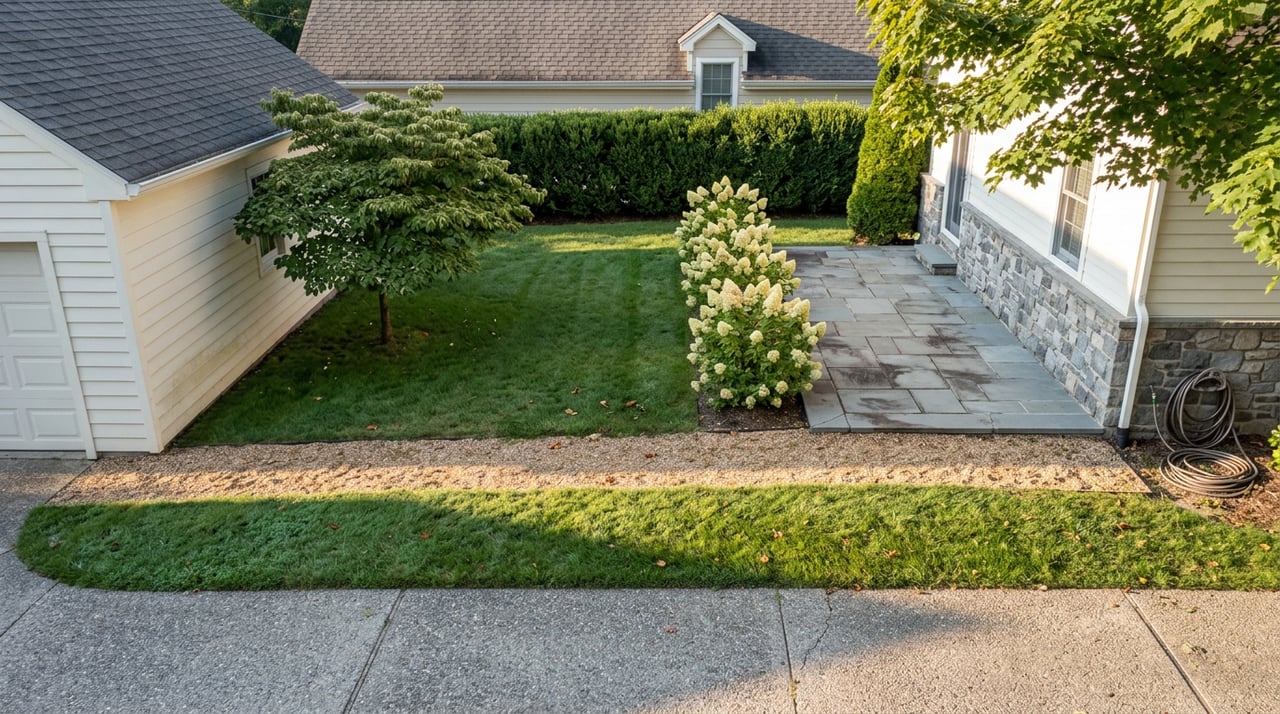
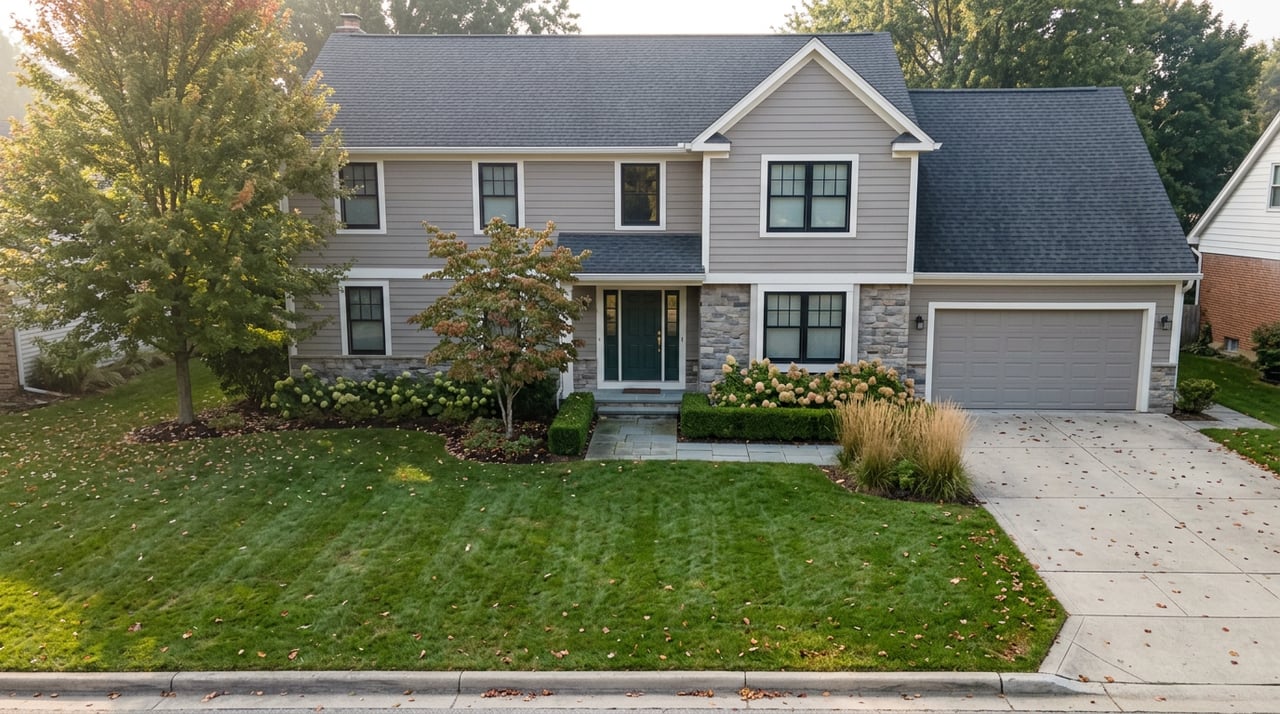
- Aerial imagery when lot, setting, or views add value
- A single-property page to capture and direct ad traffic
Schedule cleaning and staging before the shoot. Many listing teams capture all assets in one session and deliver final media within 48 to 72 hours. If you plan aerials, confirm the pilot’s FAA Part 107 certification and compliance with airspace rules. The FAA outlines pilot and operational requirements for commercial drone work here: becoming a drone pilot.
Cosmetic updates with measurable ROI
Targeted updates often deliver the best return. The 2025 Cost vs. Value data highlights strong recoup potential for curb-appeal improvements and practical interior refreshes. Use this as a planning lens:
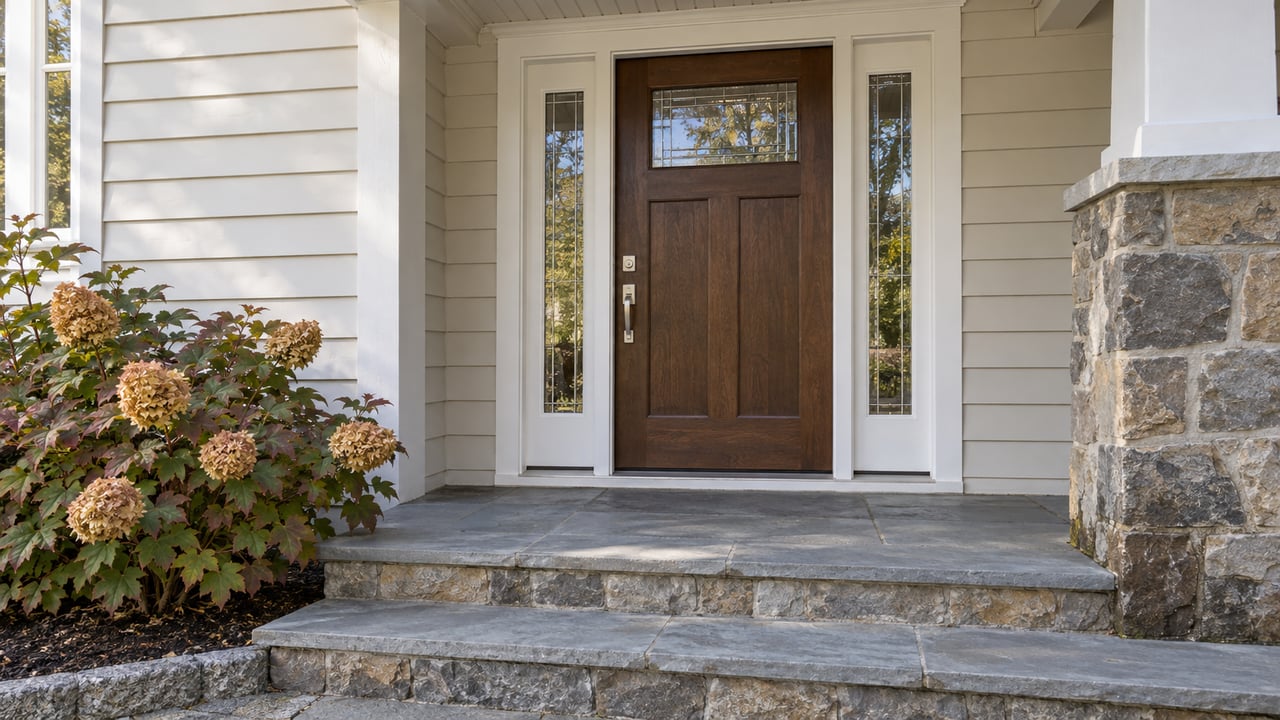
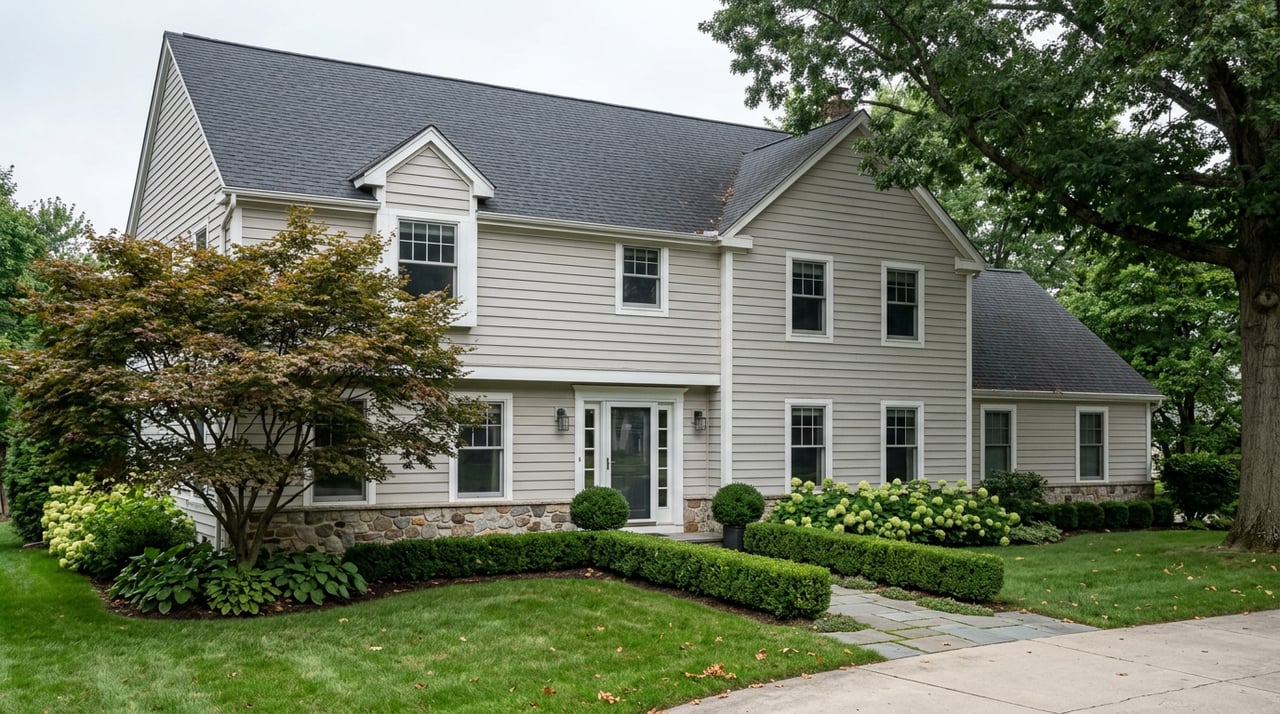
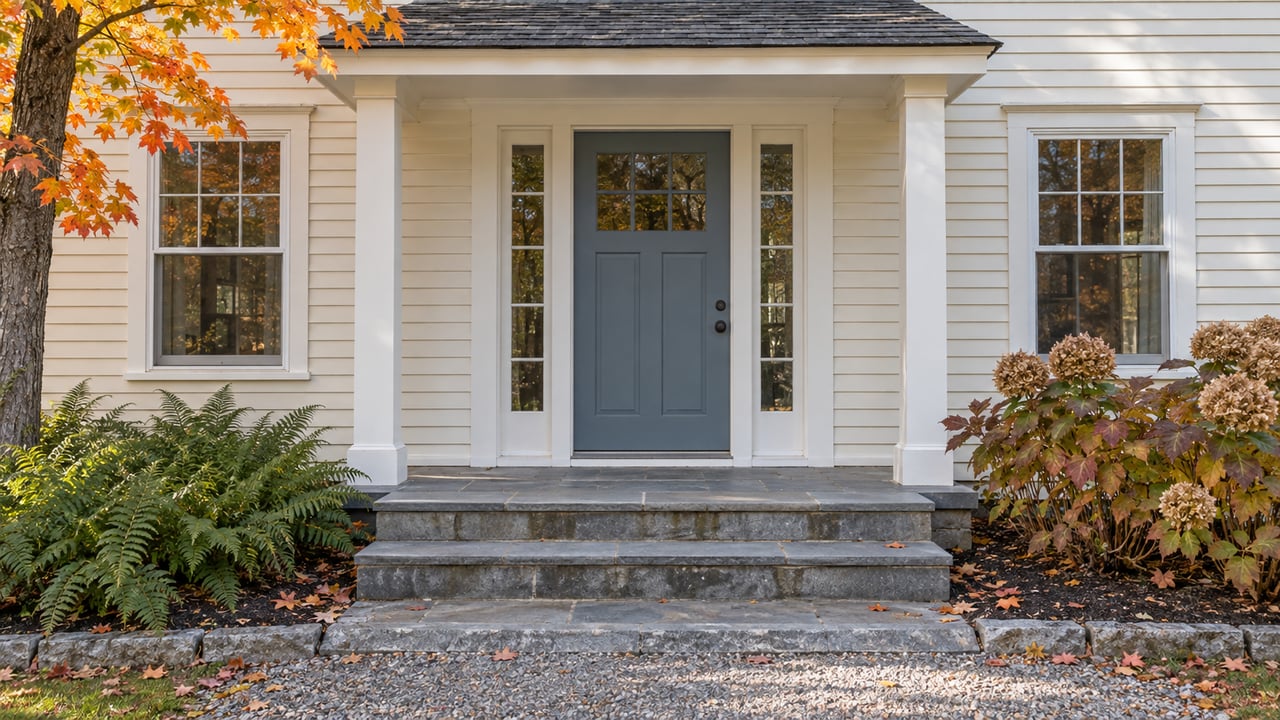
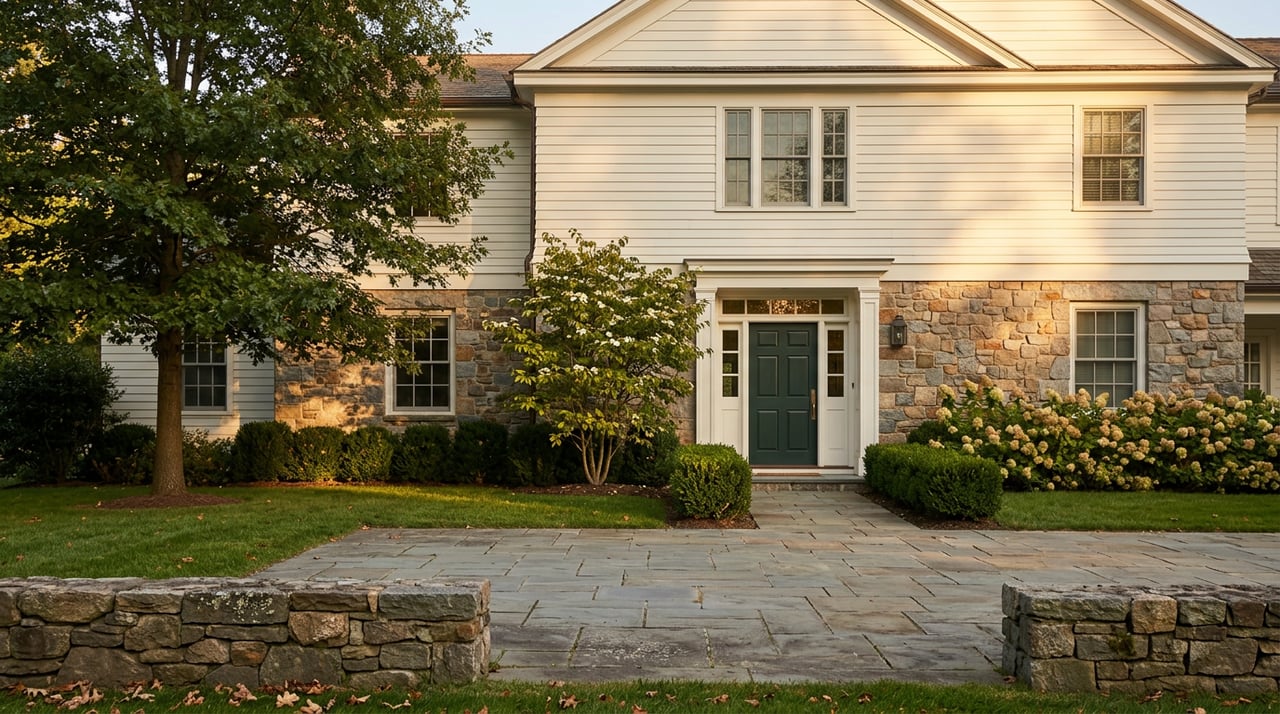
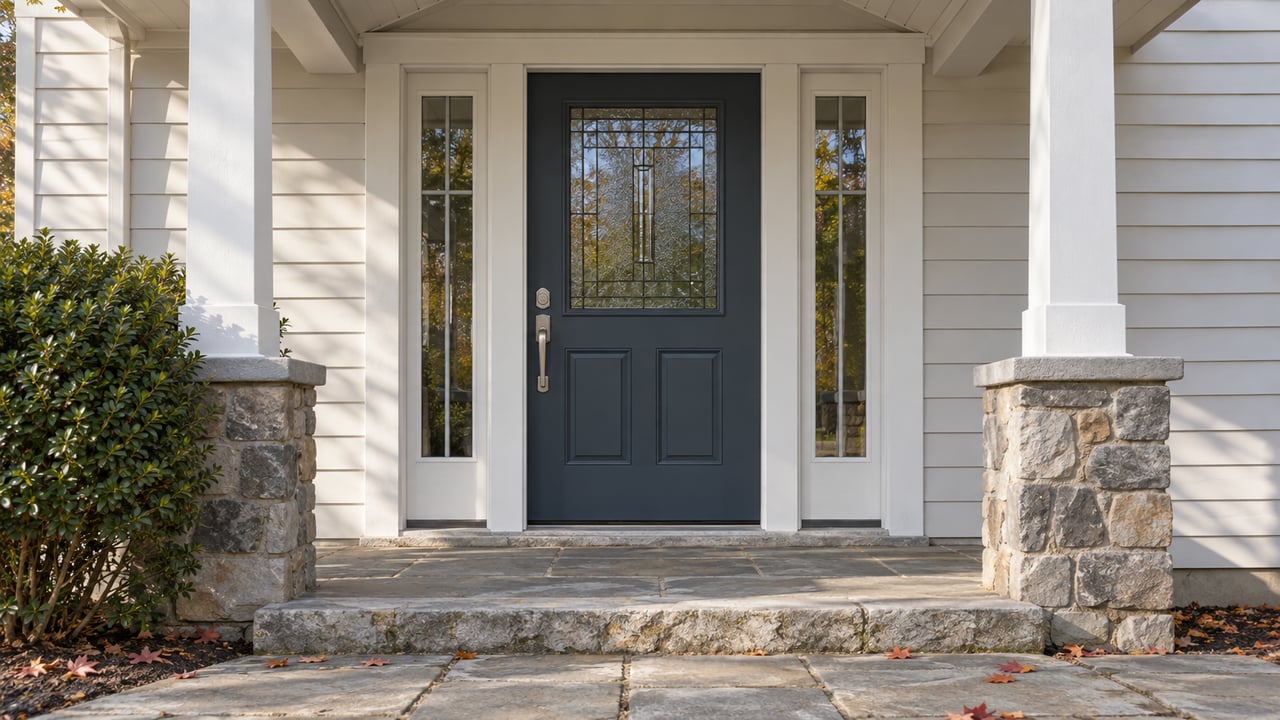
- Exterior impact: new or refreshed garage and entry doors, updated siding details
- Interior refresh: minor kitchen updates, fresh neutral paint, floor refinishing
- Avoid over-improvement: skip major expansions unless comps support the spend
For current national and regional ROI trends, review the 2025 Cost vs. Value report. In an upper-tier Glastonbury listing, buyers notice clean lines, light finishes, and well-maintained systems more than trendy but costly overhauls.
A five-step listing plan that protects price
A repeatable process reduces risk and helps you net more. The Corrado Group’s published 5-Step System is a practical model:
Prep and repairs. Start with a pre-list walk-through and a punch list. Handle easy wins first, then decide on strategic updates. In some cases, a pre-list inspection can lower the chance of major renegotiation later.
Staging and professional media. Stage key rooms, then capture photos, floor plans, video, and drone assets as needed.
Launch and concentrated marketing. The first 7 to 14 days matter most. Use a coordinated media release, MLS launch, and targeted outreach to drive traffic and create competitive tension.
Negotiation and inspection management. Evaluate buyer strength, contingencies, and appraisal exposure. Control the timeline and keep leverage through clear communication.
Close and post-contract coordination. Manage lender, appraisal, title, and attorney milestones to keep your closing on track.
Data-driven pricing, polished media, and a concentrated launch window work together to protect both sale price and speed. For a good overview of how better presentation supports stronger pricing, see this explainer on selling for more money.
Timeline you can expect
Every home is different, but these are typical benchmarks when your prep plan is focused:
- Prep and repairs: 1 to 4 weeks, depending on scope
- Staging and media: 3 to 7 days to schedule and deliver assets; galleries often arrive within 48 to 72 hours after the shoot
- Active launch: the first 7 to 14 days are critical, so track showings and feedback weekly
- Contract to close: about 30 to 45 days for financed buyers; cash can close faster
These checkpoints mirror The Corrado Group’s system and help you forecast labor, showings, and decisions on credits versus repairs.
Connecticut disclosures and risk management
Required disclosures and local checks
Connecticut requires sellers to provide a written Residential Property Condition Disclosure Report before contract execution. Completing it fully and honestly is both required and protective. You can review the statute in Chapter 392, Sec. 20-327b on the Connecticut General Assembly site.
If your home was built before 1978, federal lead-based paint rules apply. You must provide the EPA/HUD lead pamphlet and disclose known information and reports. The Connecticut Department of Public Health offers guidance on these requirements here: lead disclosure basics.
Finally, verify permits for substantial work with the Town of Glastonbury. Unpermitted additions or mechanical upgrades can cause delays or post-closing issues. Start with the town’s main portal to reach Building and Planning: Town of Glastonbury.
Inspections, appraisals, and negotiation
For high-value homes, a pre-list inspection can surface issues early. You can fix them or price with clarity, which reduces the buyer’s leverage during contingencies. This approach aligns with Step 1 of the 5-Step System.
If the appraisal comes in below contract price, your agent should review options like buyer gap coverage, revised terms, or repositioning for a stronger buyer profile. Evaluating the financing type, appraisal contingencies, and closing timeline is part of selecting the right offer, not just the highest one.
Vendor and deliverables checklist
Hold your vendors and partners to clear, written deliverables:
- Licensed general contractor when permits are required, plus permit confirmation. Start with the town’s resources at glastonbury-ct.gov.
- Professional stager with a written scope, rental term, and install/pickup dates. See NAR’s overview of staging benefits when setting expectations.
- Photographer and videographer with prior samples, floor plans, and usage rights. If aerials are included, confirm Part 107 credentials per the FAA’s guidance.
- Home inspector for a targeted pre-list inspection when appropriate. Agree on timelines for quotes and repairs so you do not lose momentum.
- Real estate attorney or title partner familiar with Hartford County practices to streamline contract-to-close tasks.
Typical pre-list investments vary by scope. Staging consultations often range from about $150 to $500, while key-room rental may reach into the low thousands per month. Media packages range widely, from a few hundred dollars for photos and floor plans to higher budgets for drone and 3-D tours. For project ROI guidance, refer to the 2025 Cost vs. Value report.
Launch metrics to watch in week one and two
You will make the most important listing decisions early. Track:
- Showing volume and online saves compared to similar listings
- Feedback themes about price, condition, or layout
- Offer quality, including financing type and contingencies
If you miss the mark on traffic or feedback points to a recurring issue, adjust quickly. A fast, evidence-based change in week two can preserve both price and timeline.
Ready to sell confidently in Glastonbury?
You do not need a complicated plan to win in the upper tier. You need a thoughtful prep list, professional presentation, and a launch window that meets buyers where they are. If you want a predictable, white-glove process backed by a proven system, connect with The Corrado Group to plan your sale. Request a complimentary home valuation and a tailored prep roadmap.
FAQs
What price point counts as “luxury” in Glastonbury?
- Many analysts define luxury as the top 10 percent of the local market; confirm the current 90th-percentile threshold with a fresh CMA before you set pricing.
Which rooms should I stage in a higher-priced home?
- Prioritize living areas, the primary suite, the main kitchen, and outdoor rooms; NAR reporting shows staging helps buyers visualize the home and improves sale outcomes (NAR staging overview).
Do I need a permit check before listing?
- Yes, verify permits for additions and major system work with the Town of Glastonbury to avoid delays or disputes at closing (Town portal).
Are drone photos allowed for my listing?
- Yes, if flown by a licensed Part 107 operator who follows FAA rules on airspace and operations; ask your agent to confirm credentials (FAA guidance).
What disclosures are required for Connecticut sellers?
- You must provide the Residential Property Condition Disclosure Report before contract, and pre-1978 homes also require federal lead-based paint disclosures (CT statute, lead rules).
How should I prepare for a low appraisal risk?
- Review buyer financing strength and appraisal terms up front, consider pre-list updates and comps, and be ready to negotiate gap coverage or adjust terms to preserve price and timeline.