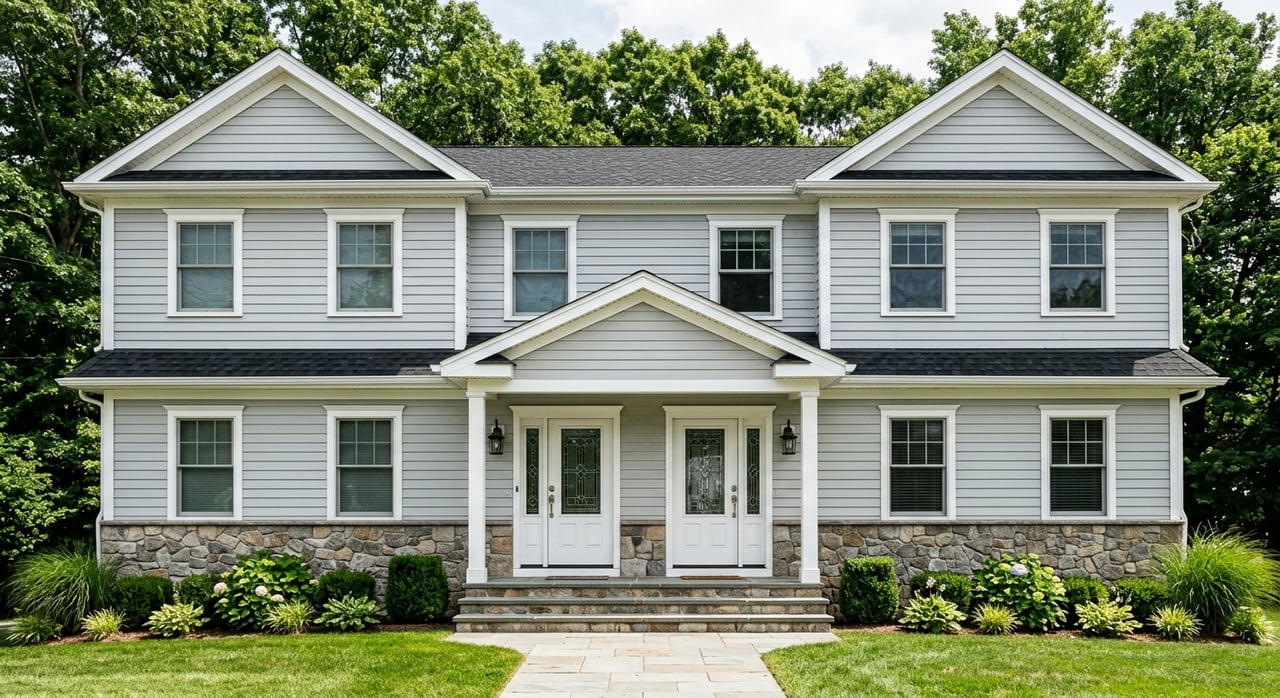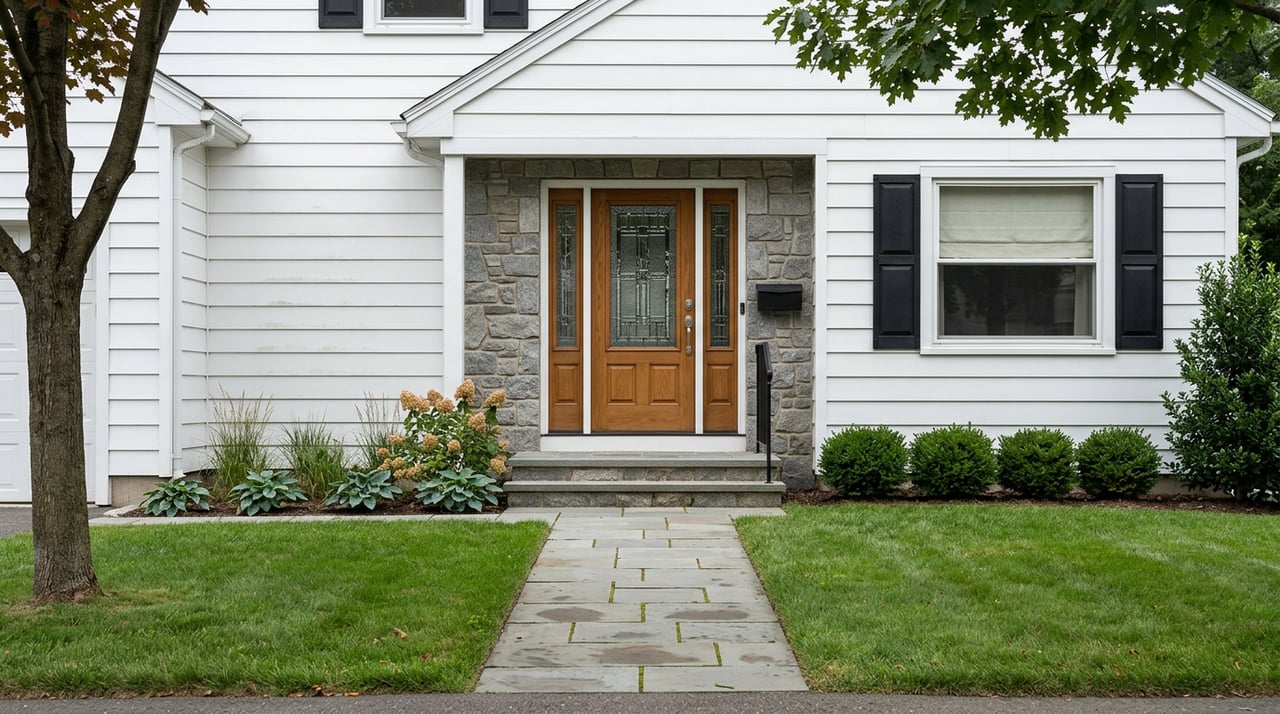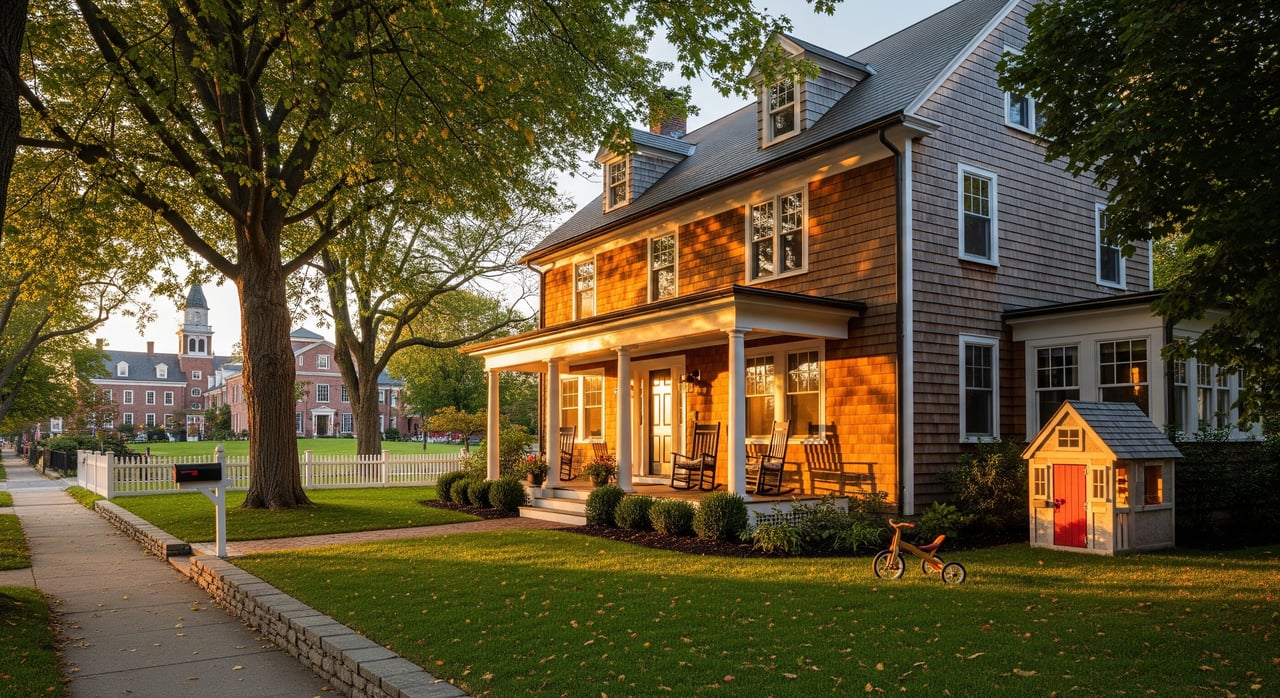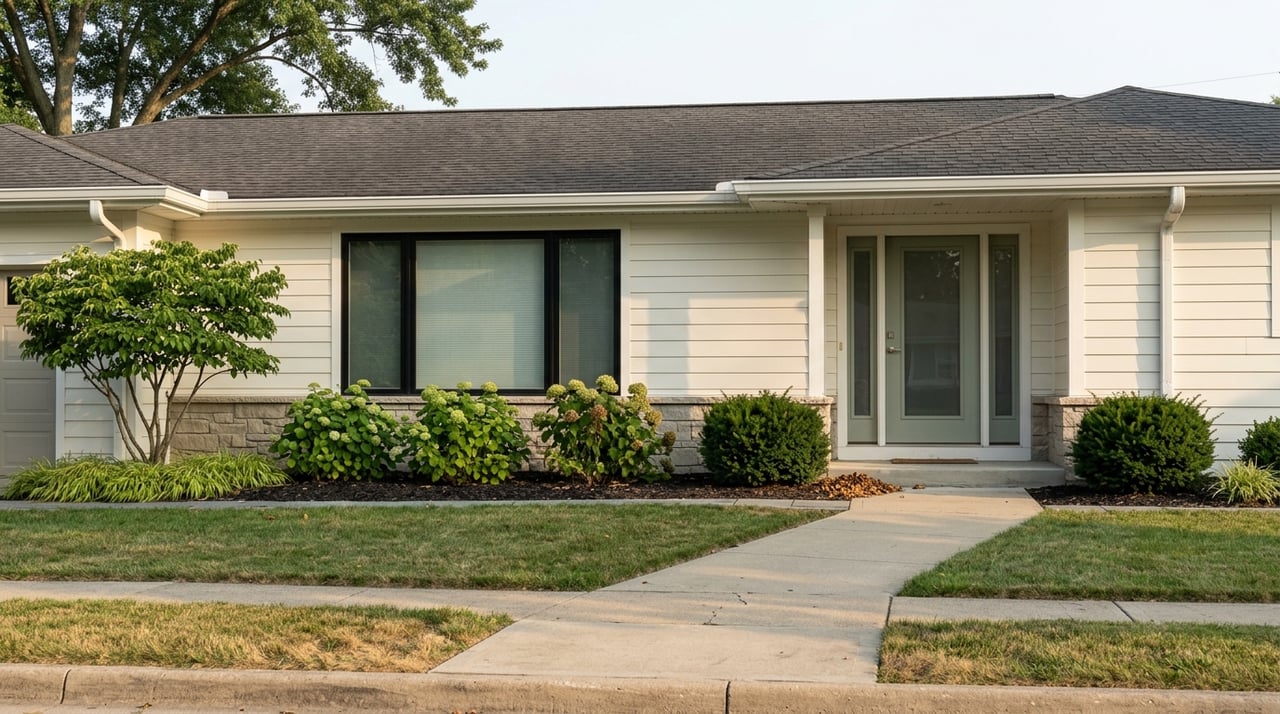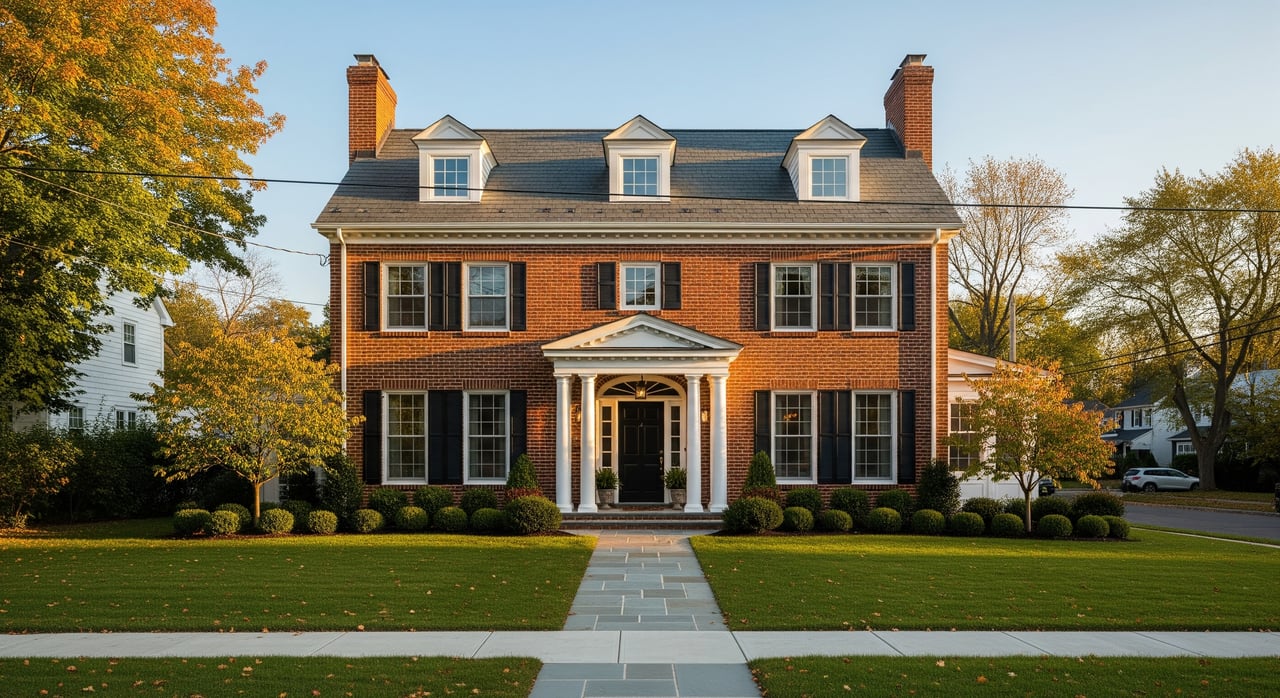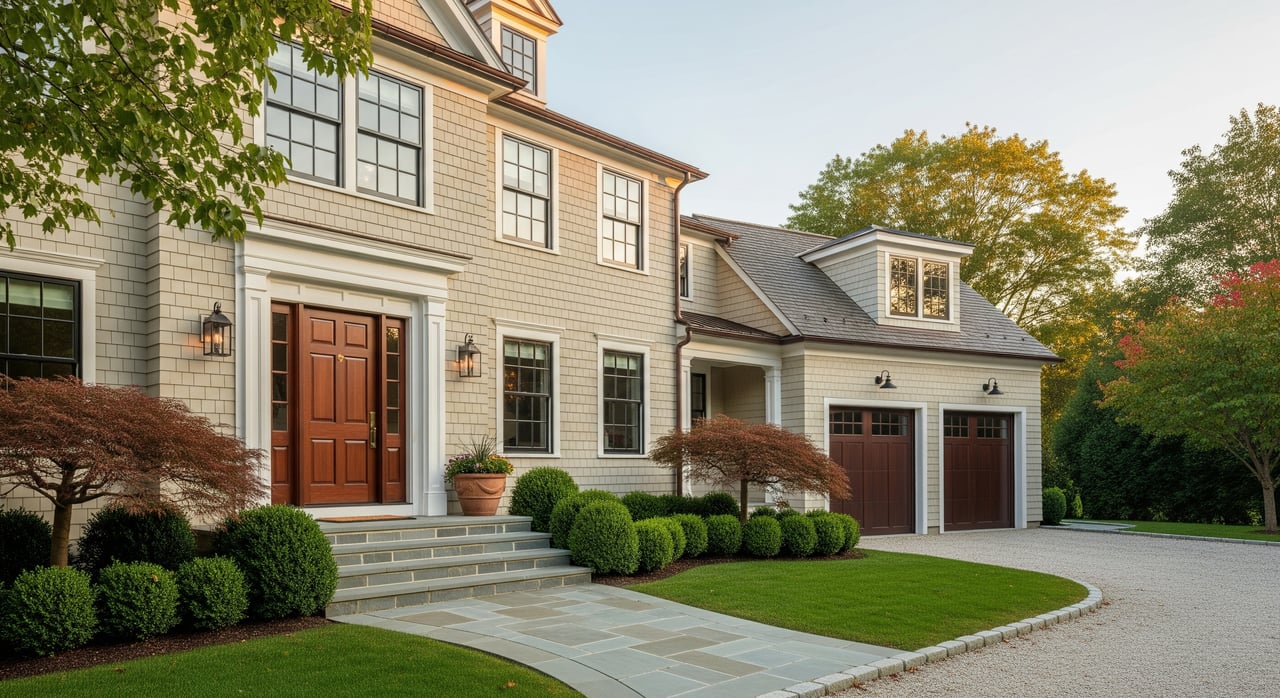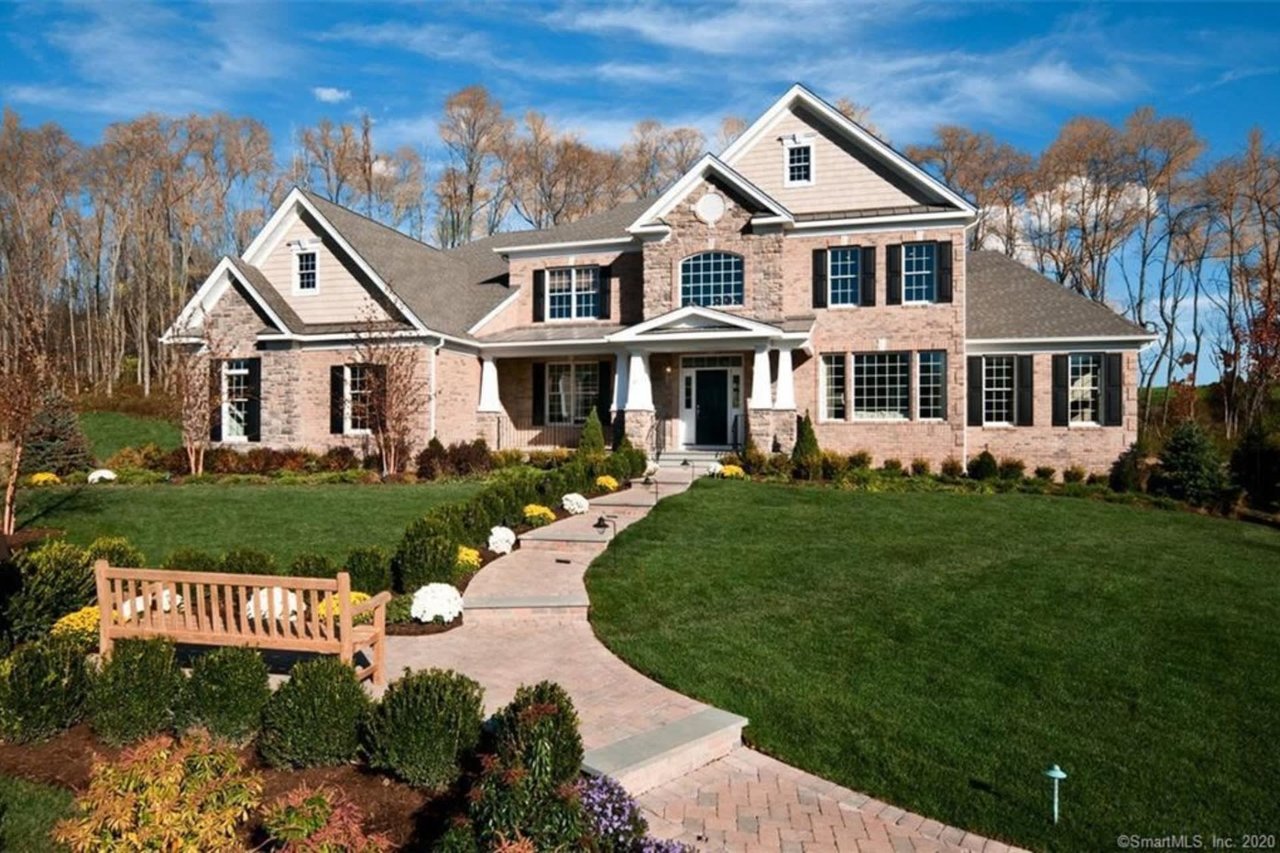
Thinking about buying new construction in Tolland? It can be an exciting way to get a home with modern layouts, updated systems, and fewer immediate repairs, but it also comes with details that are easy to miss if you are only looking at floor plans and finish packages. In Tolland, your lot, your contract terms, and your timing can matter just as much as the home itself. This guide walks you through what to watch for so you can make a smart, confident move. Let’s dive in.
Tolland’s New Construction Market
Tolland has a distinct housing profile that shapes what buyers are likely to find. According to the town’s community profile, Tolland covers 40.4 square miles, has about 16% permanently protected open space, and reported a 2020 Census population of 14,563.
The same town data shows that roughly 95% of Tolland’s land is zoned residential, with most of that geared toward single-family housing. It also says 93.8% of the housing stock is detached single-family, while only 1.5% is attached. That means if you are shopping new construction here, you will still see a market led by single-family homes, even as attached housing options become more visible.
The town’s 2024 Affordable Housing Plan also notes that 240 new multifamily units have been approved since 2019 and are currently under construction. So while Tolland remains mostly low-density and single-family in character, buyers may now see a broader mix of choices than they would have a few years ago.
What Buyers May See Now
If you are actively searching, you may come across both community-based developments and scattered single-lot builds. For example, Fieldstone Ridge at 10 Fieldstone Commons is marketing 240 townhomes with attached garages, unfinished basements, fireplaces, and community amenities, with first buildings leasing in 2026.
On the single-family side, Nordic Builders is currently marketing High Ridge Estates and Owl Ridge in Tolland. The builder describes High Ridge as being in its final phase with three lots left, while Owl Ridge is presented as a 166-acre development with 45 wooded homesites and more than 75 acres of open space.
Town permit activity also shows that new construction is not limited to major developments. Tolland’s March 2026 monthly permit report includes a new home at 130 Neff Hill Road and another at 47 Josephine Way, which suggests buyers may also find one-off or scattered-lot opportunities.
Why Lot Choice Matters More in Tolland
In many towns, buyers focus first on square footage and finishes. In Tolland, the lot itself often deserves equal attention.
The town’s zoning framework is designed to preserve wetlands, scenic character, and a semi-rural feel. Tolland’s zoning regulations say the Residential Design District is intended to encourage flexible site design while allowing several housing types, including single-family, two-family, multi-family, village-type cluster, and affordable housing.
That means the shape, usability, and constraints of a lot can affect your long-term enjoyment of the property. A larger lot does not always mean a more useful lot if wetlands, drainage areas, frontage rules, or preserved features limit where you can build, landscape, or add future improvements.
Key Lot Rules to Know
For traditional residential development, Tolland’s zoning regulations require:
- A minimum lot area of 2 acres
- A minimum buildable area of 19,000 square feet
- At least 200 feet of frontage
- A maximum building coverage of 15%
- Front setbacks of 60 feet on certain main roads and 40 feet on other roads
Under Flexible Residential Development, the same regulations allow smaller minimums in some cases, including:
- Minimum lot area of 40,000 square feet
- Minimum frontage of 125 feet
- Front setback of 30 feet
- Side setback of 20 feet
- Rear setback of 25 feet
These reduced standards only apply within the town’s open-space planning framework. So if you are comparing lots in different subdivisions, the numbers may not tell the whole story.
Natural Features Can Affect Future Plans
Tolland’s subdivision regulations place clear emphasis on wetlands, flood hazard areas, tree lines, and stone walls. The town specifically says stone walls should be mapped and preserved or relocated when feasible, and lot lines should follow stone walls when practical.
For you as a buyer, that matters if you are already thinking about a fence, pool, deck expansion, shed, or yard changes later on. Before you assume a lot gives you room to do what you want, it is smart to confirm which parts of the site are actually usable and whether any protected features could limit changes.
Check Utilities and Approvals Early
A beautiful lot is only part of the picture. You also want to know whether the site has the approvals and infrastructure needed for a smooth closing and move-in.
Tolland’s subdivision regulations say that before approval, there must be proper provision for water, drainage, sewerage, flood-control measures where needed, and erosion and sediment control. The regulations also state that no lots may be sold until final plans are approved and filed with the Town Clerk.
On vacant building lots, the town says each building needs approval from several commissions and administrators. The Inland Wetlands and Watercourses Commission FAQ notes that wetlands may already have been delineated in subdivision paperwork, and buyers can check land records and plans through town resources rather than relying only on marketing materials or seller statements.
In some areas, public utility access may shape future development. For example, the town says the Gateway Design District has public water and sewer available and is intended to support coordinated development near the I-84 interchange.
Financing New Construction in Tolland
The financing path often depends on how far along the home is when you go under contract. A completed or nearly completed spec home may look more like a standard purchase, while a home that is not yet built may require a different loan structure.
According to Fannie Mae’s construction-to-permanent financing overview, this type of financing converts interim construction financing into a long-term mortgage and can be done as either a single-closing or two-closing transaction. If you are buying earlier in the build process, this distinction is important to understand upfront.
Deposit and Lender Questions to Ask
The Consumer Financial Protection Bureau says a builder may ask for an upfront deposit on a home that is not yet built, and buyers should ask when that deposit is refundable. The CFPB also notes that you do not have to use the builder’s affiliated lender and can shop around.
At the same time, Freddie Mac says builders may encourage buyers to use a preferred lender, and in some phases that lender may be the only option. Freddie Mac also recommends understanding the rate-lock period before moving forward.
These are good questions to ask before you commit:
- Is the builder deposit refundable, and under what conditions?
- Is there a required lender or just a preferred lender?
- How long does the rate lock last?
- What happens if construction takes longer than expected?
- Is the home far enough along for standard financing, or will you need construction-to-permanent financing?
Protect Yourself in the Contract
A new-construction contract can look different from a resale contract, but that does not mean you should skip important protections. Freddie Mac advises buyers to understand the completion date, what happens if it is missed, and what warranty coverage applies.
The CFPB and Freddie Mac both support looking closely at financing and inspection terms. Even with a brand-new home, you should still understand your inspection rights and your financing contingency.
Terms Worth Reviewing Closely
Pay close attention to:
- The estimated completion date
- Any builder extension rights
- What happens if the home is delayed
- Which features and finishes are included in writing
- The warranty terms
- Your financing contingency
- Your inspection contingency
This matters in Tolland because local site and approval issues can affect timing. Wetlands, open-space requirements, frontage, and utility status can all influence how predictable a construction schedule really is.
Which Upgrades Matter Most
When you are choosing options, it is easy to focus on cosmetic finishes. In Tolland, the upgrades that may have the most lasting value are often the ones tied to the lot, layout, and functionality.
Current local examples support that idea. Fieldstone Ridge is highlighting attached garages, full basements, fireplaces, and EV charging stations. Nordic’s Tolland communities emphasize wooded homesites, open floor plans, and custom details. The town’s permit activity also reflects work tied to garages, decks, solar, HVAC, and insulation.
Prioritize Function Over Flash
If your budget is limited, consider giving more weight to features that are harder to change later, such as:
- Lot position within the community
- Garage size
- Basement configuration or finish potential
- Outdoor living space
- Energy-related features
- Layout choices that affect daily use
Paint colors, lighting, and some finish upgrades can often be changed more easily later. Site-related and structural choices usually cannot.
How a Buyer’s Agent Helps in Tolland
When you walk into a new-construction model home, the builder’s team is there to represent the builder. That is why independent representation matters.
Freddie Mac recommends working with an agent who is not affiliated with the builder, has new-construction experience, knows the surrounding area, and has worked with the builder before. Freddie Mac also notes that many builders require your agent to accompany you on the first visit.
Where Local Guidance Adds Value
In Tolland, an experienced buyer’s agent can help you with practical checks that go beyond the sales brochure.
Tolland’s Building Department says buyers should confirm that permits were issued and inspections passed, because otherwise the buyer can inherit liability for unpermitted or uninspected work. The department also issues certificates of occupancy for new construction.
The town also posts monthly permit reports, which can help you see what is actually being built and where activity is happening. And Tolland’s Assessor’s Office notes that it updates records using information from the Town Clerk, Planning & Development, Zoning, and the Building Inspector, while inspecting properties that receive building permits during the year.
That local paper trail matters because your taxes, timing, and even your closing readiness may depend on what has been filed, inspected, and completed.
Smart Takeaways for Tolland Buyers
If you are buying new construction in Tolland, look beyond the model home and upgrade sheet. Pay close attention to the lot, approvals, utilities, permit status, contract timelines, and financing path.
This is a market where site details can have a big impact on value and day-to-day enjoyment. The right guidance can help you compare options clearly, ask better questions, and avoid surprises before closing.
If you are considering new construction in Tolland and want experienced, responsive guidance from first tour to closing, connect with The Corrado Group. We help buyers evaluate the details that matter so you can move forward with confidence.
FAQs
What types of new construction are available in Tolland?
- Tolland’s housing stock is still mostly detached single-family, but buyers may also see townhome and multifamily options as newer approved projects come online.
What should buyers check about a Tolland building lot?
- You should review usable yard space, frontage, drainage, wetlands, stone walls, and any subdivision or zoning restrictions that could affect future plans.
Do buyers need a special loan for new construction in Tolland?
- Sometimes. A completed or near-complete home may work like a standard purchase, while a home that is still to be built may require construction-to-permanent financing.
Can a builder require buyers to use a preferred lender?
- Builders may encourage a preferred lender, and in some phases that lender may be the only option, so it is important to ask early and compare terms carefully.
Why should buyers verify permits for new construction in Tolland?
- Tolland’s Building Department says buyers should confirm permits and inspections are complete because a buyer can inherit liability for unpermitted or uninspected work.
How can buyers track new construction activity in Tolland?
- Buyers can review Tolland’s monthly permit reports and town department resources to see what is being built and whether approvals and inspections are moving forward.