If you want easier access to both Hartford and UConn without living in the middle of a busier city setting, Coventry deserves a closer look. This town gives you a practical location, an established housing stock, and a daily rhythm shaped by lake life, local history, and regional road access. If you are comparing towns in the Hartford-to-Storrs orbit, this guide will help you understand what Coventry offers and who it tends to fit best. Let’s dive in.
Coventry’s Place Between Hartford and UConn
Coventry is often seen as a town that sits between Hartford and UConn Storrs, and that is a useful way to think about it. Town history materials place Coventry about 20 miles east of Hartford, while UConn says Storrs is about 25 miles east of Hartford. In practical terms, that means Coventry sits slightly west of UConn and a bit closer to campus than to Hartford.
That location can work well if your week pulls you in more than one direction. You may need to reach Hartford for work, head to UConn for classes or events, or simply want flexibility without living right next to either destination. Coventry offers that middle-ground feel while still reading as its own town, not just a pass-through.
The town also identifies itself as part of Northeast Connecticut’s Quiet Corner. That matters because Coventry’s appeal is not only about commute logic. It is also about woods, older farmlands, a historic village center, and a pace that feels more settled than a denser urban environment.
Getting Around From Coventry
Route 6 and Route 44 Shape Daily Travel
Coventry is centered around the Route 6 and Route 44 corridor. The town notes that the Route 6 corridor runs from Bolton through Coventry, Andover, and Columbia, and local history materials identify Route 44 and Main Street, which is Route 31, as important town arteries. For many residents, that road network plays a big role in how daily routines are planned.
If you are commuting, the safest way to think about Coventry is this: it is car-oriented, but not isolated. UConn’s official directions to Storrs point drivers from the west through I-84 East and Route 195 South, and the university also identifies Route 44 as a major access road from both directions. That means Hartford and UConn remain reachable through the broader regional road network.
Transit Options Are Limited but Useful
Coventry is not a transit-heavy town, but there are a few official transportation options worth knowing. The town lists commuter bus service from the Route 44 lot at Second Congregational Church. It also notes Hartford bus connections through Post Road Stages, along with local van services and WRTD Dial-a-Ride.
For many buyers, that points to a town where driving is still the default. At the same time, the available services can add flexibility, especially if your schedule changes from day to day or you want another option for certain trips.
What Housing Feels Like in Coventry
Detached Homes Lead the Market
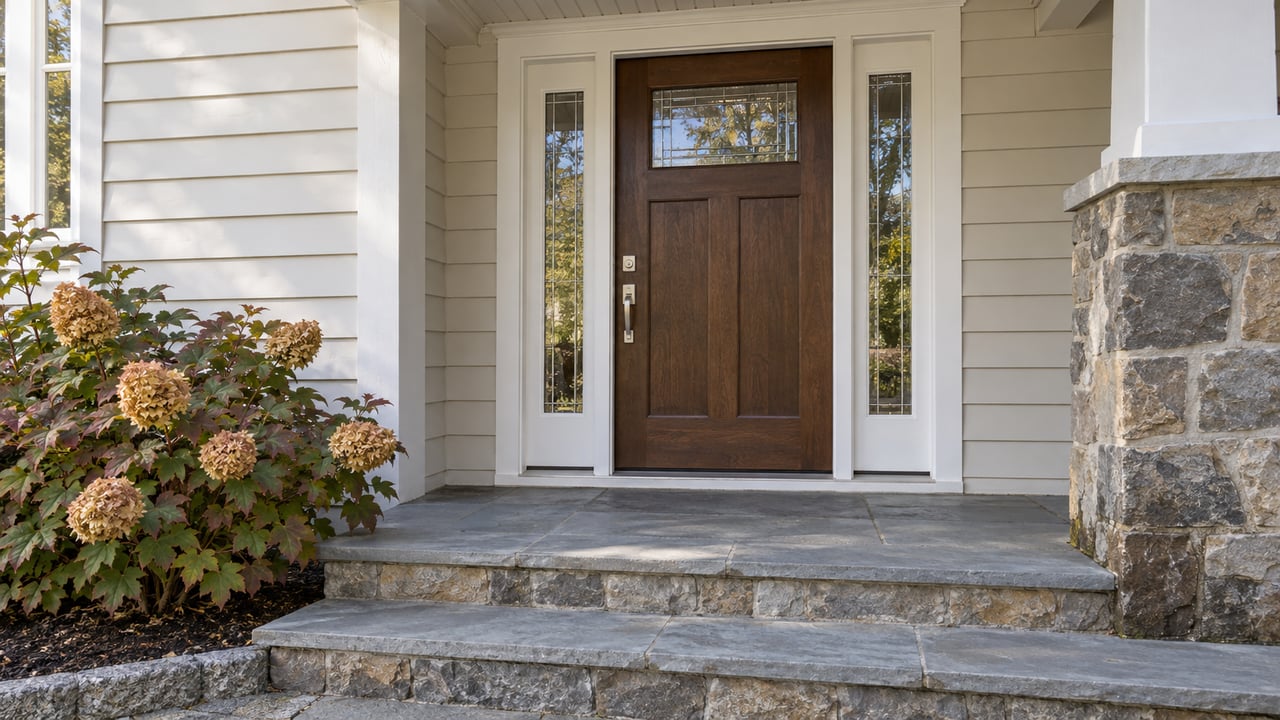
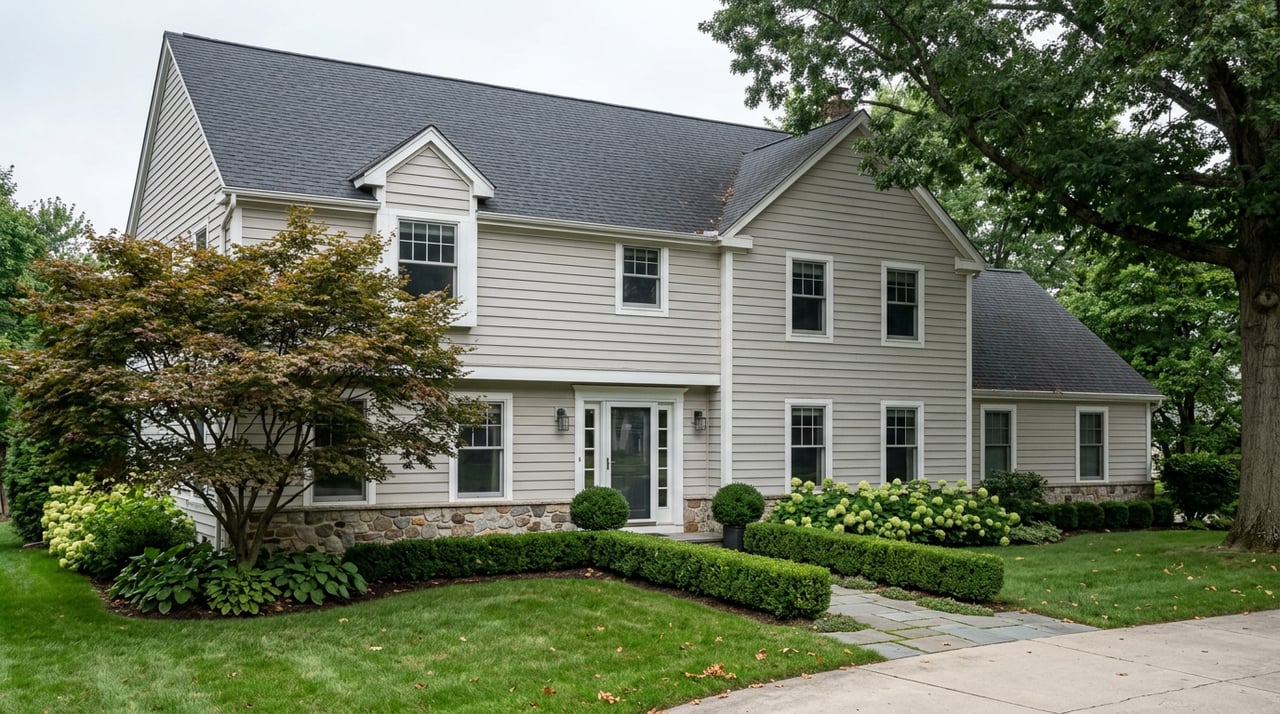
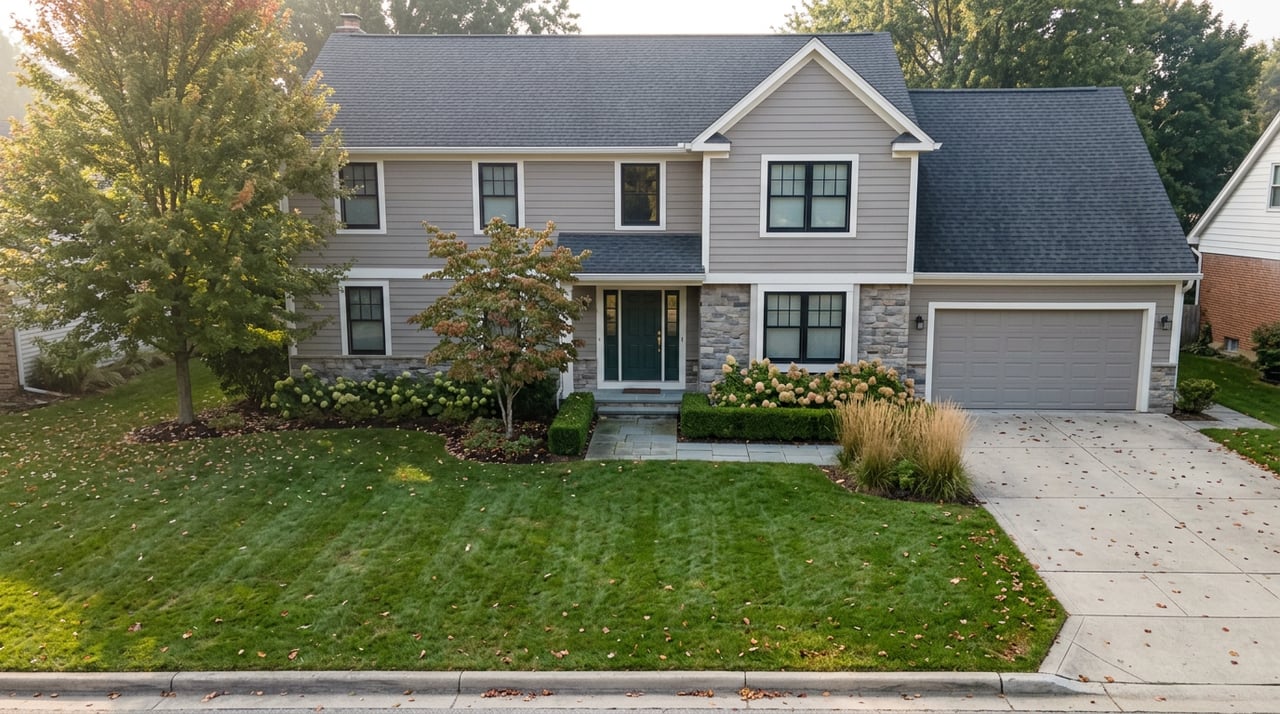
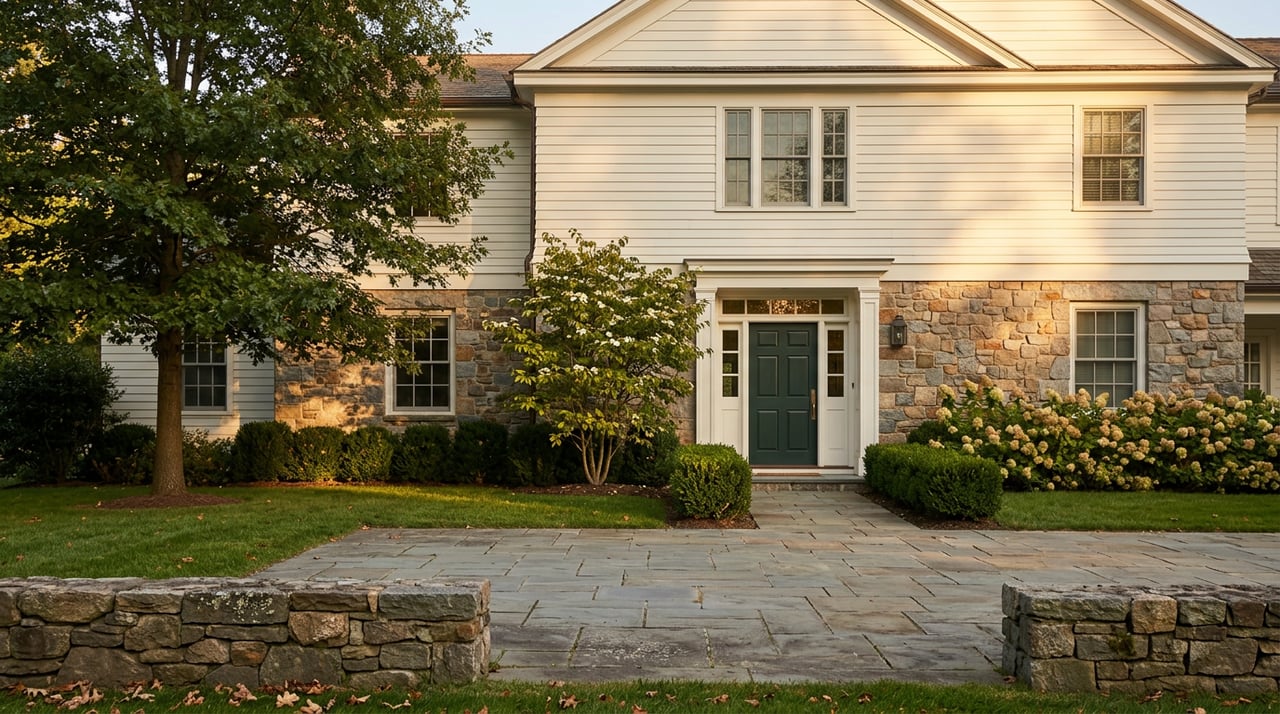
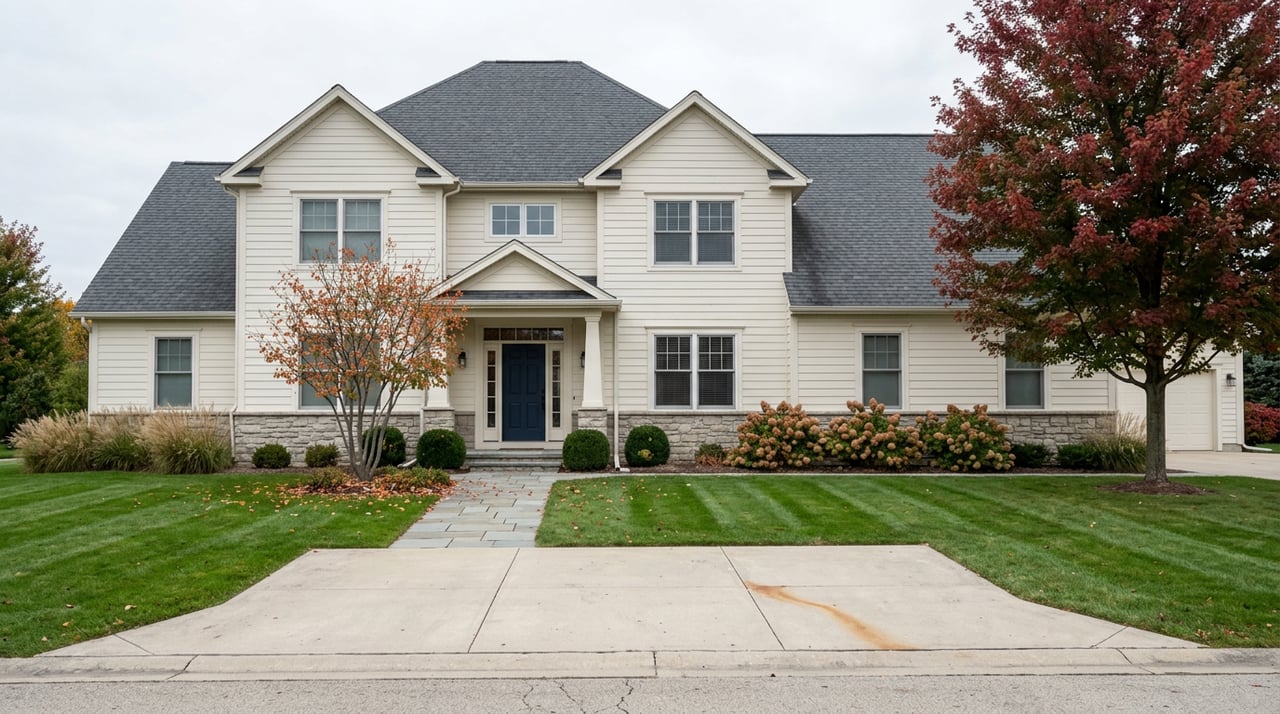
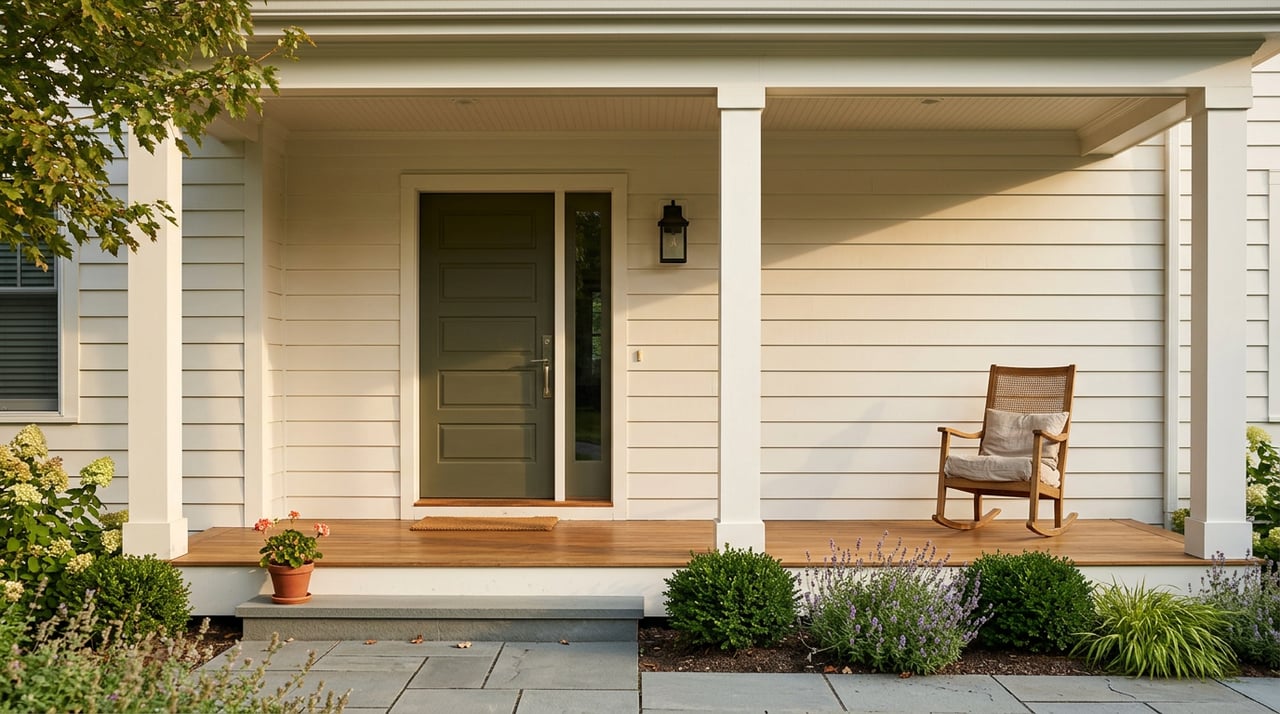
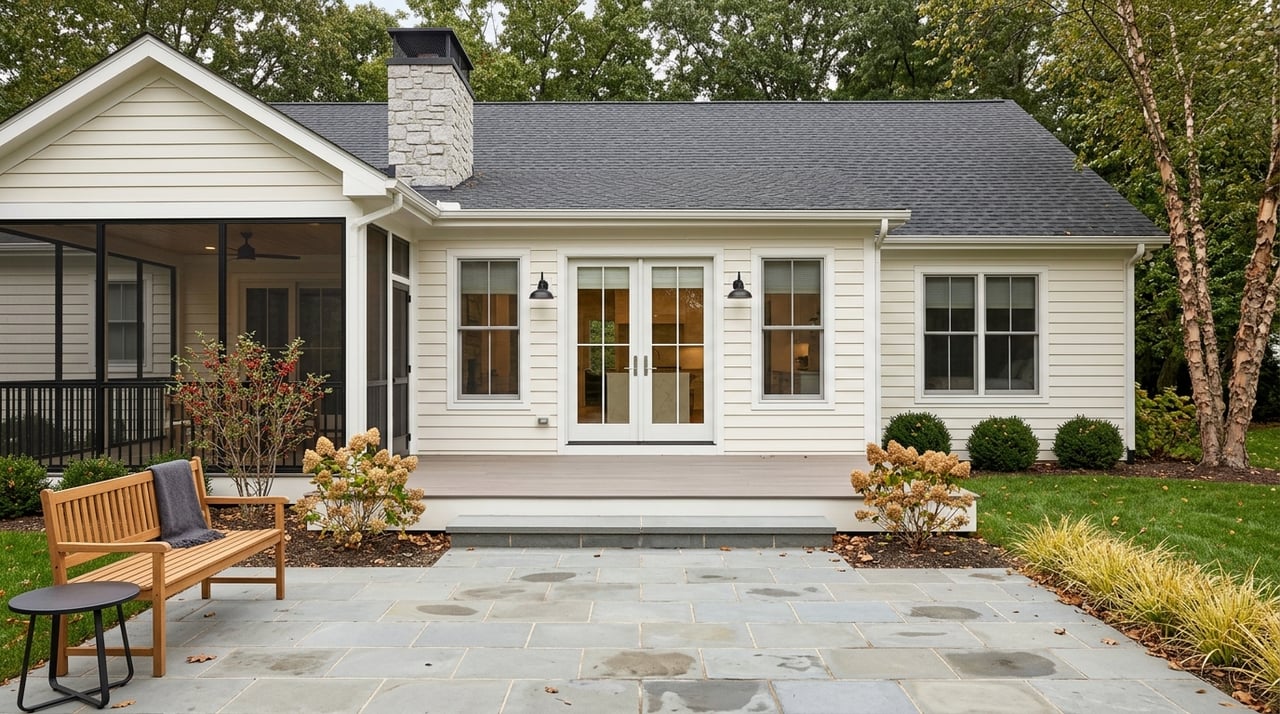
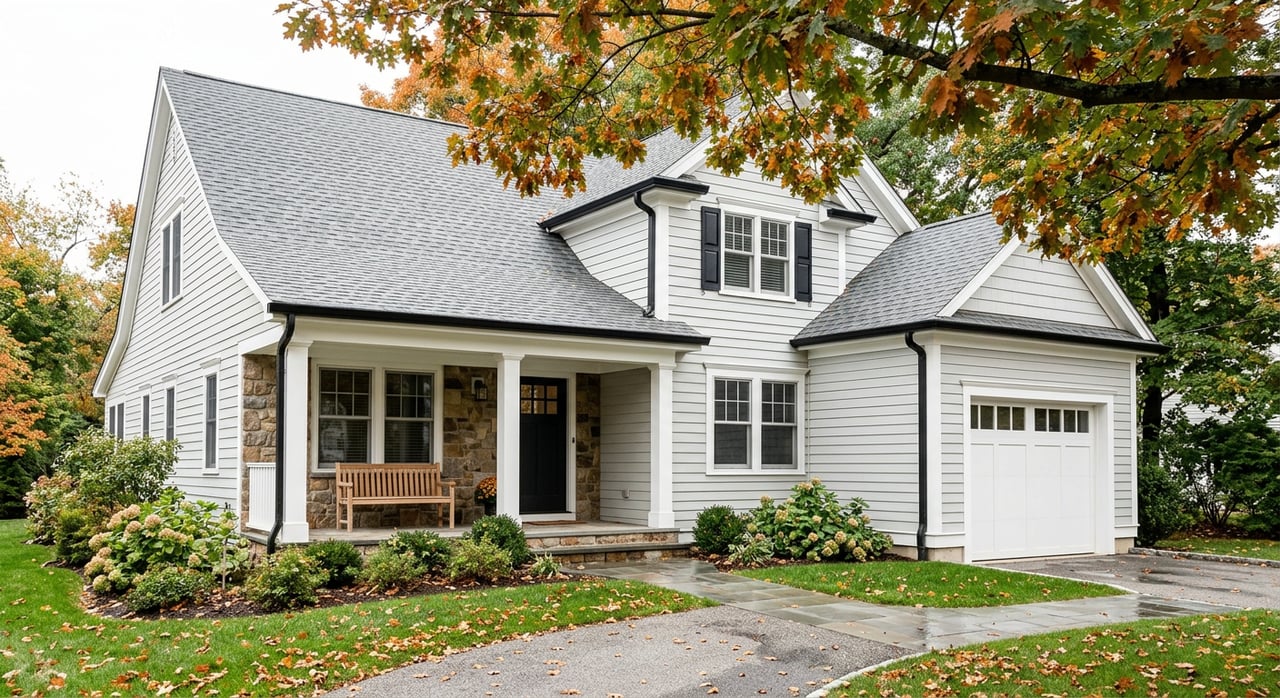
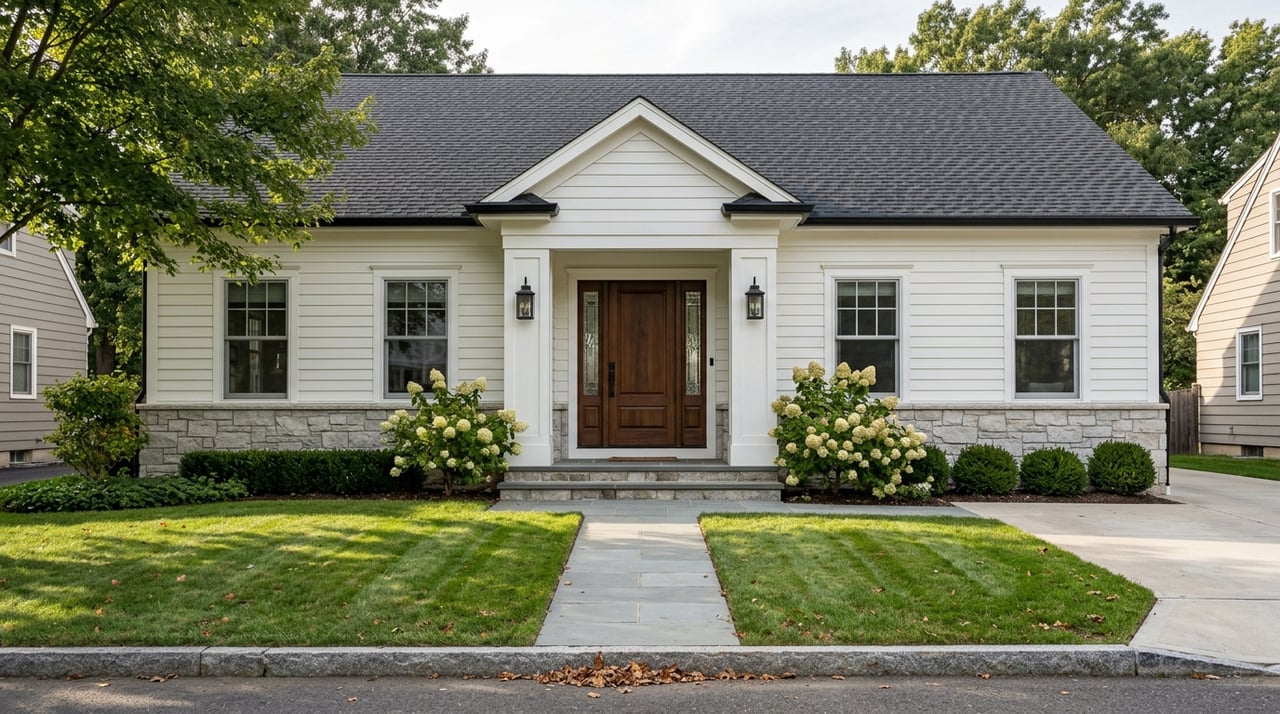
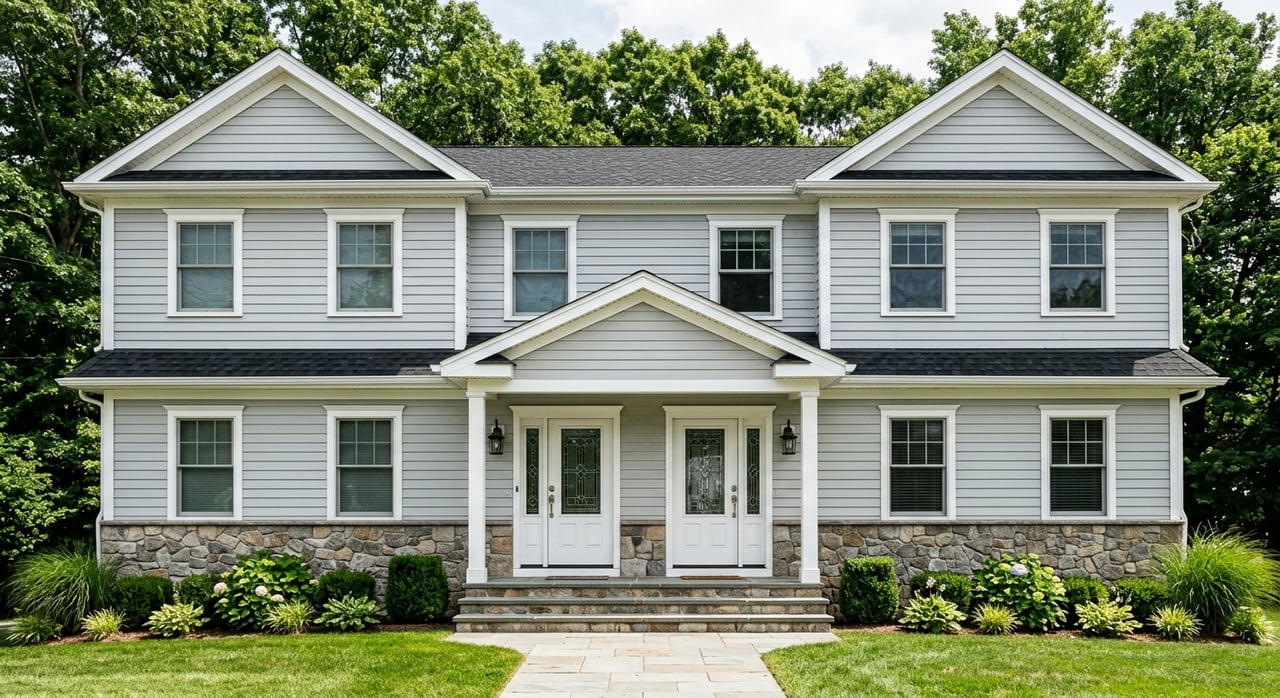
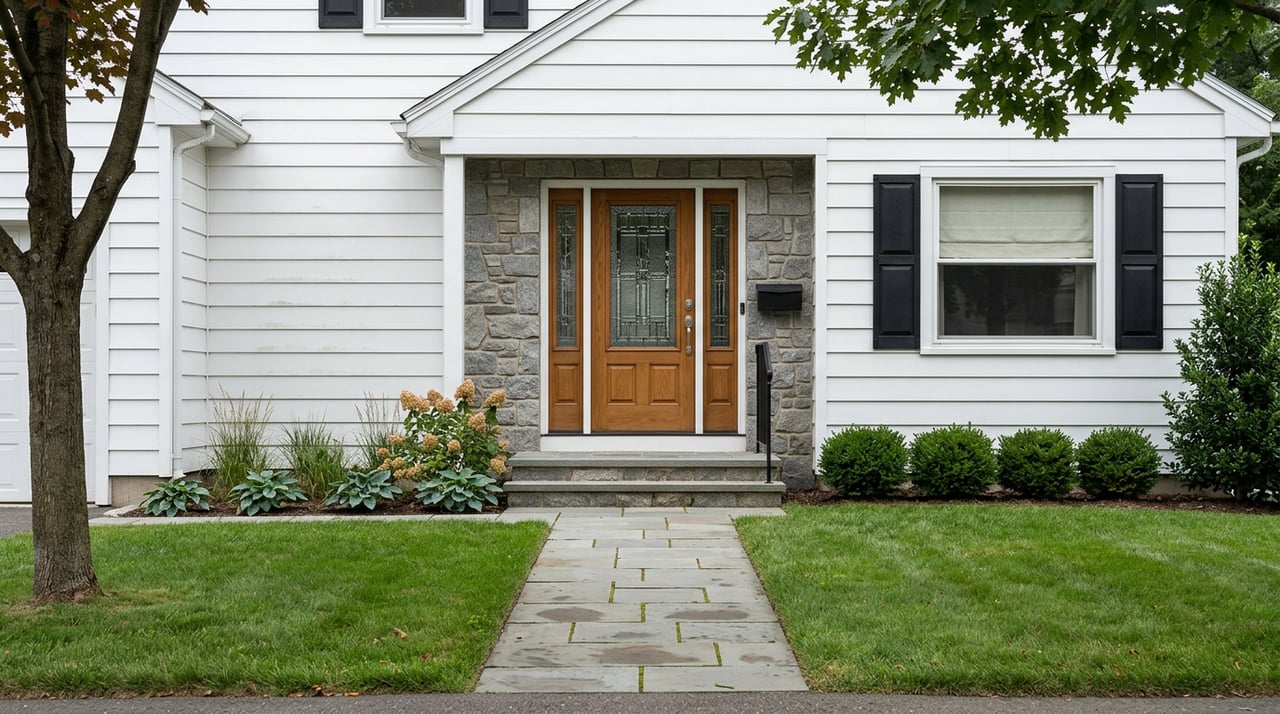
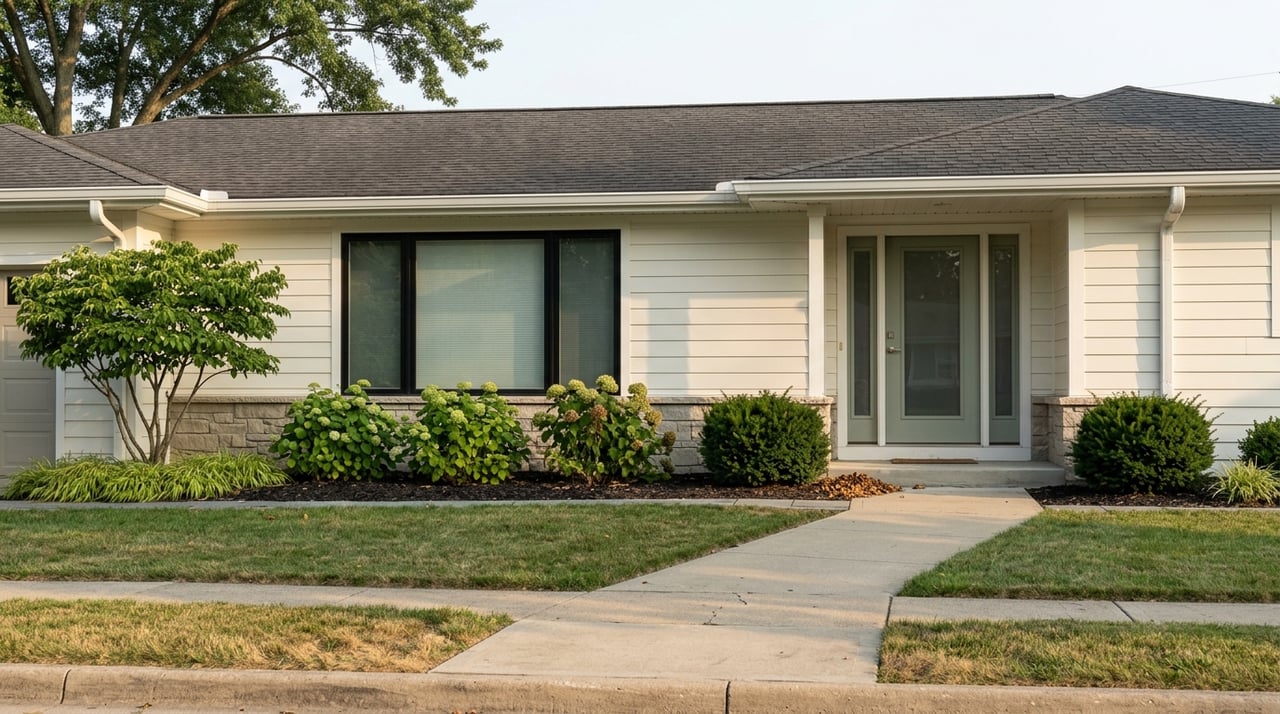
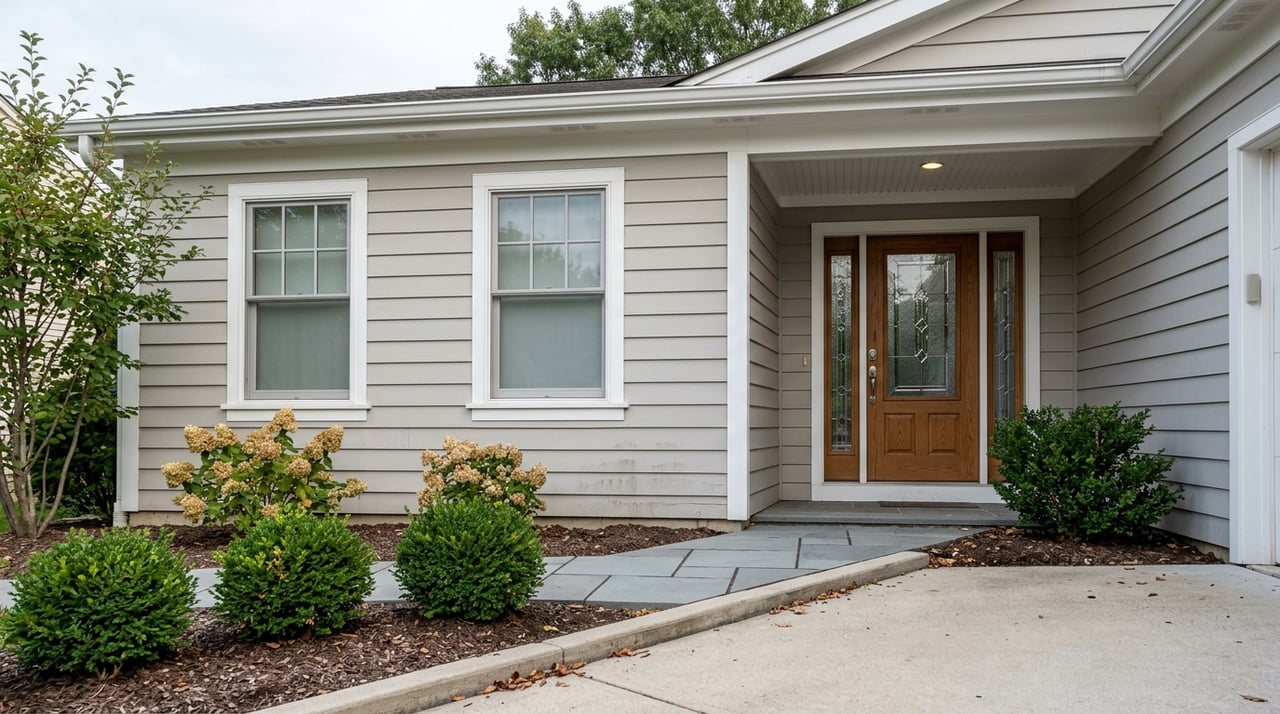
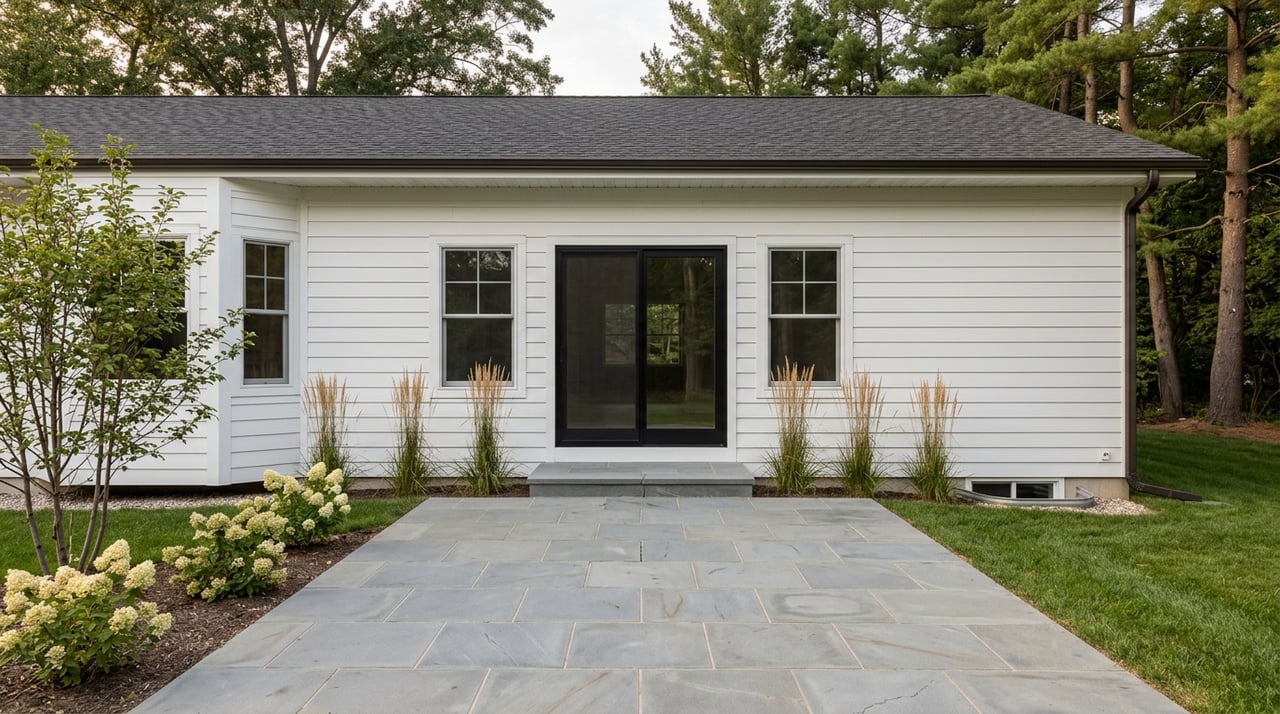
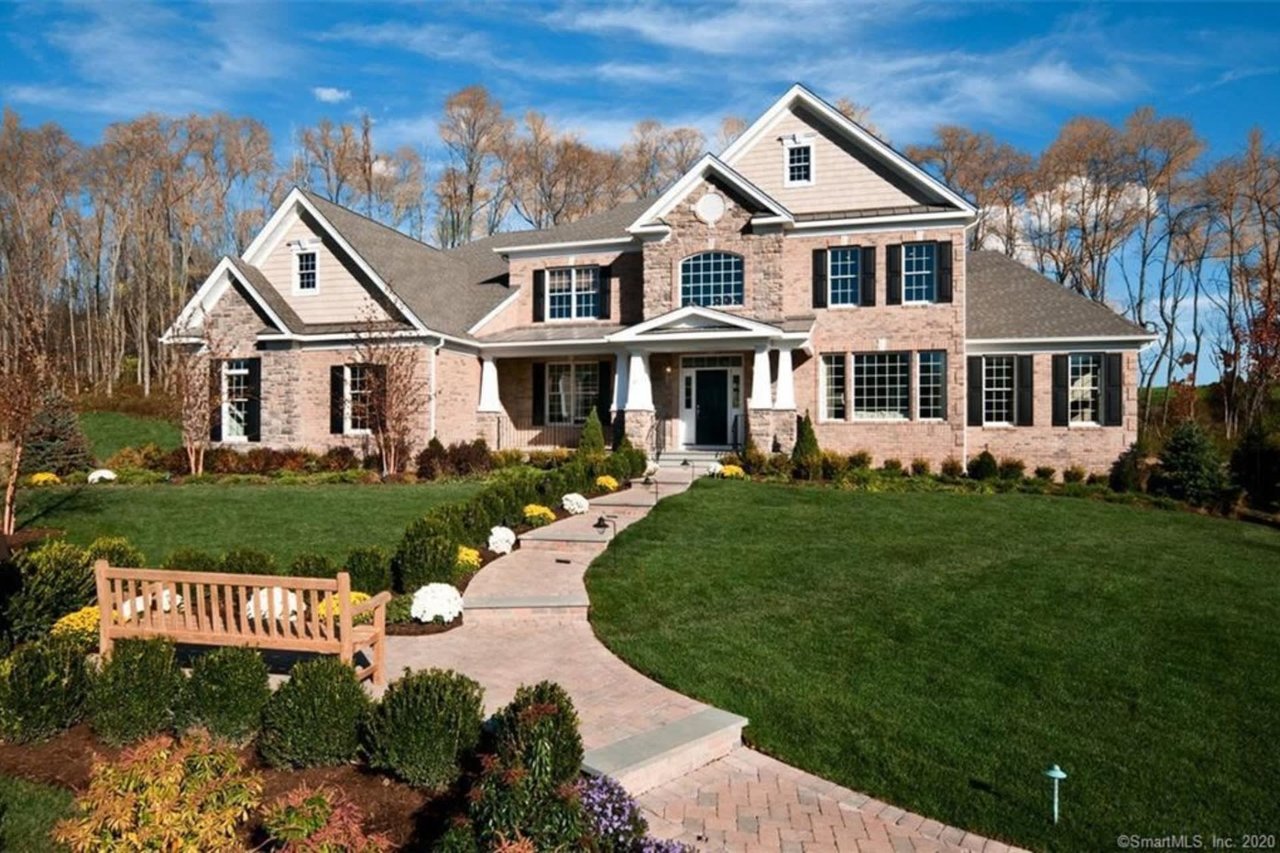
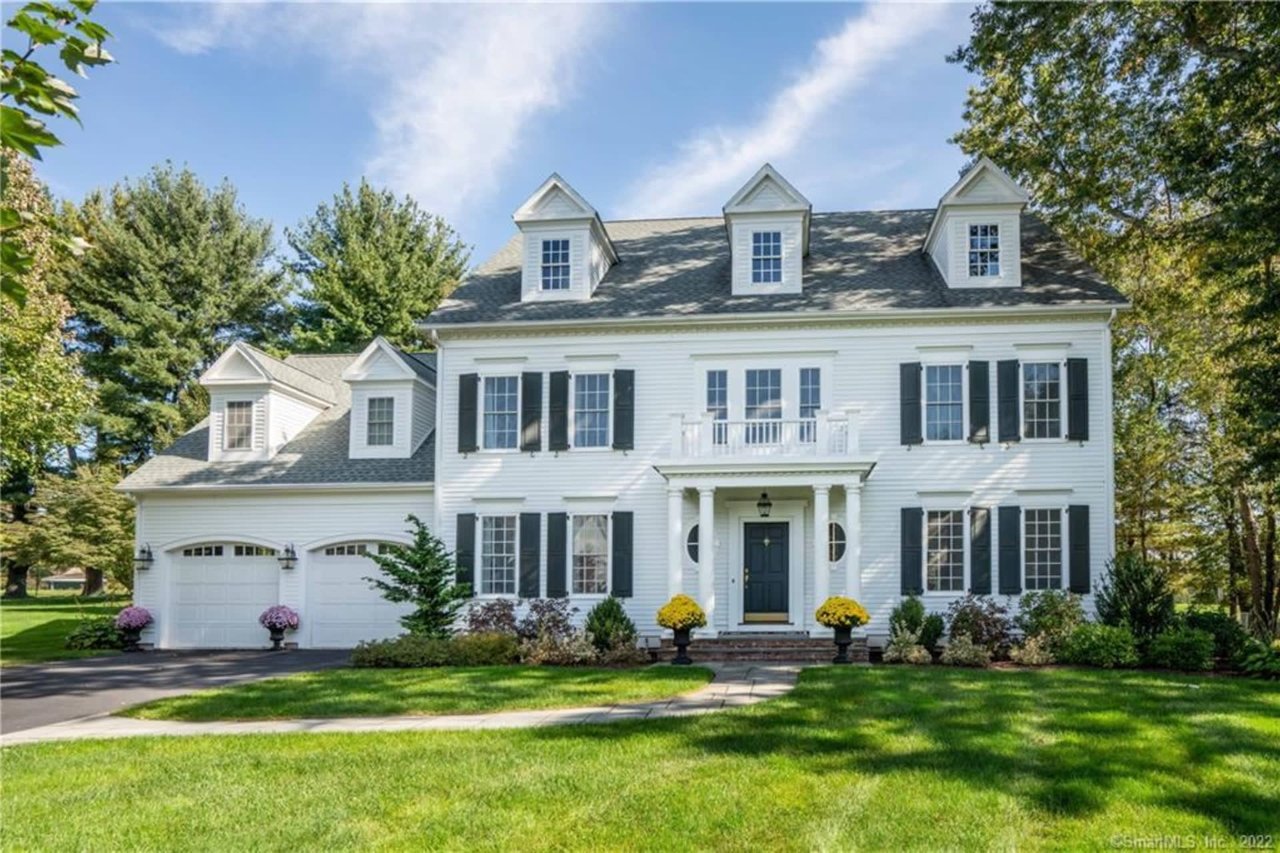
Coventry’s housing stock is heavily shaped by single-family living. The town’s 2024 housing profile says 93% of occupied homes are single-family, 85% are owner-occupied, and only 5% of housing units are in multifamily buildings. That tells you right away that Coventry is primarily a detached-home town.
If you are moving from a more urban area or a place with a larger share of apartments and condos, Coventry may feel more spread out and residential. It can be a strong match if you want more yard space, a less dense setting, or an established neighborhood pattern built around single-family homes.
Expect an Established, Older Housing Base
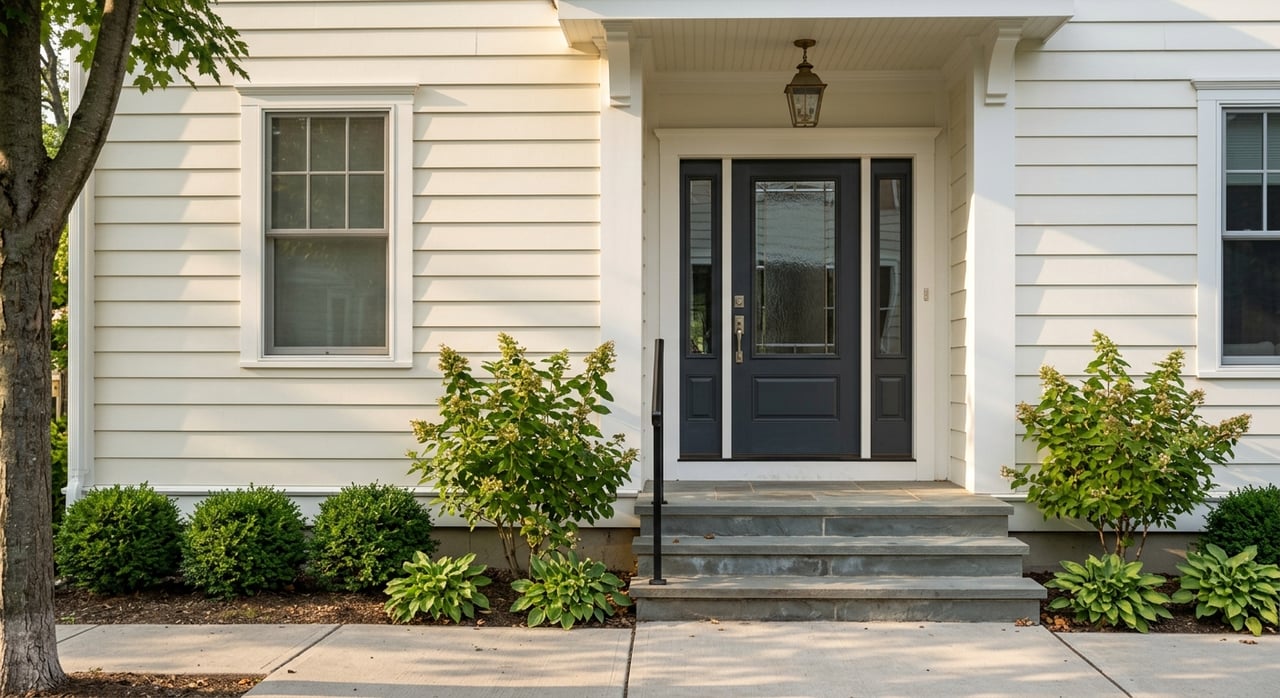
Coventry is not defined by large-scale new construction. According to the 2024 housing profile, 48% of housing units were built before 1970. That points to an older, more established housing stock rather than a town dominated by recently built subdivisions.
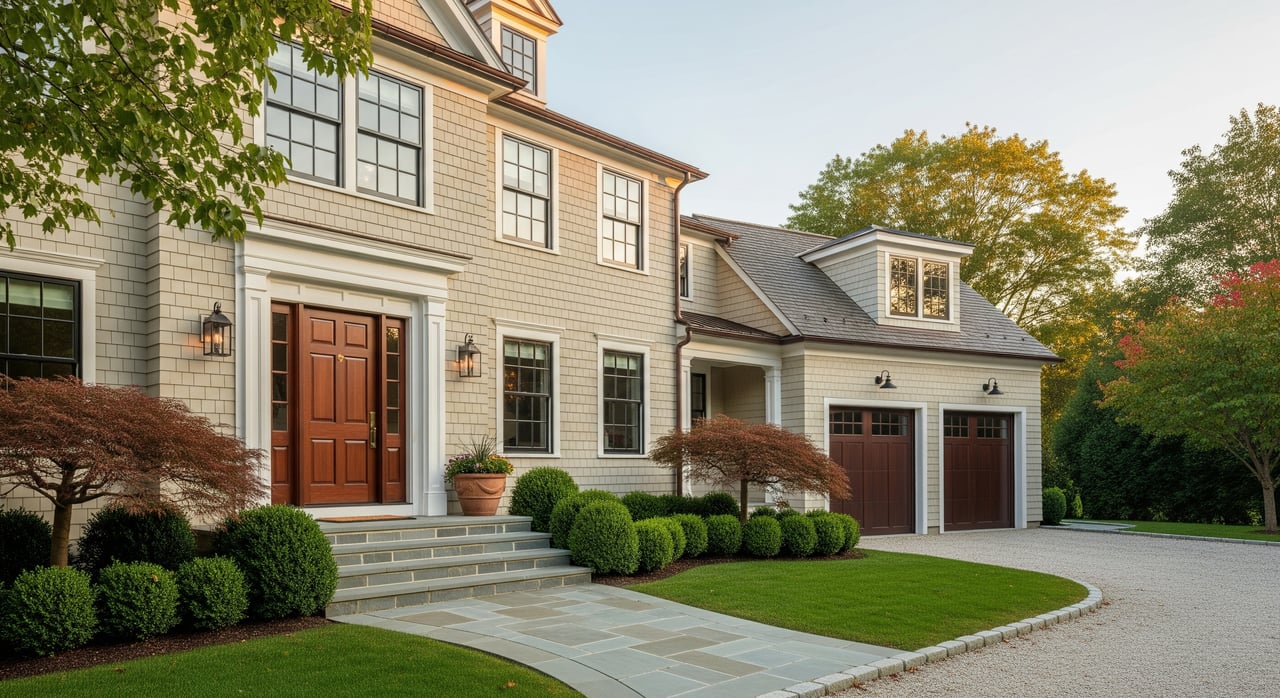
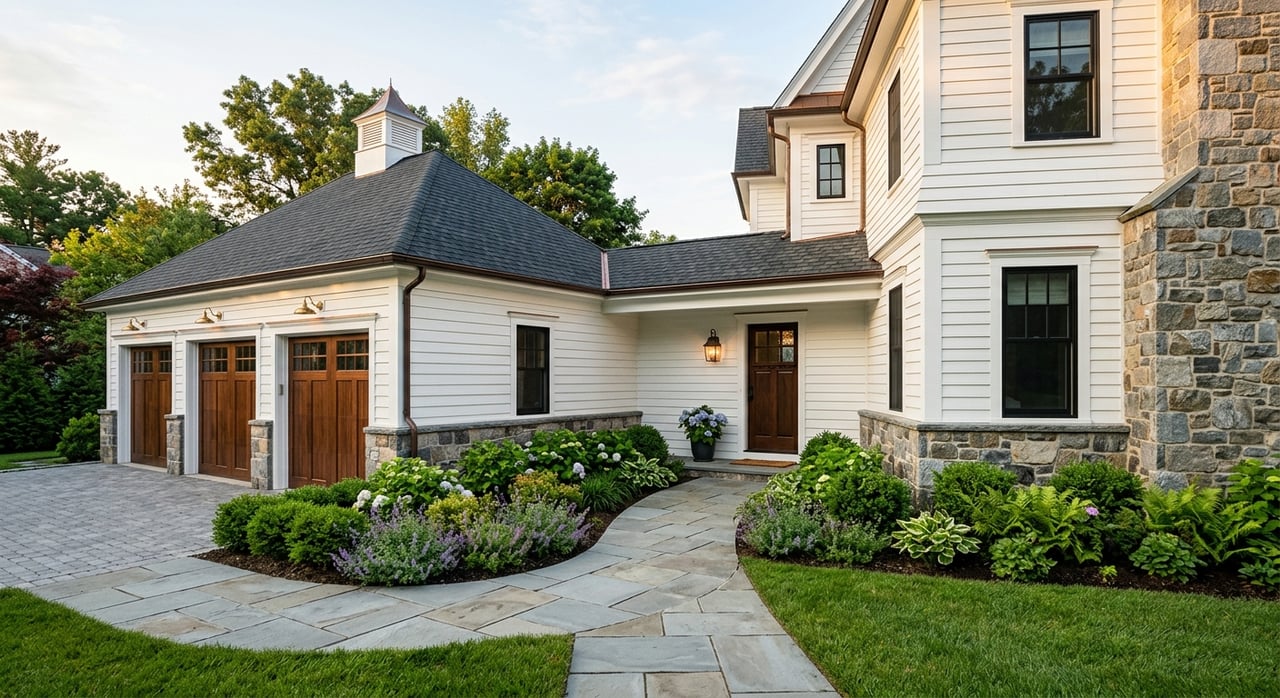
For you as a buyer, that often means more architectural variety and more neighborhood personality. It can also mean you will want to look carefully at condition, updates, and maintenance history from home to home, since age and style can vary widely.
Different Areas Have Different Character
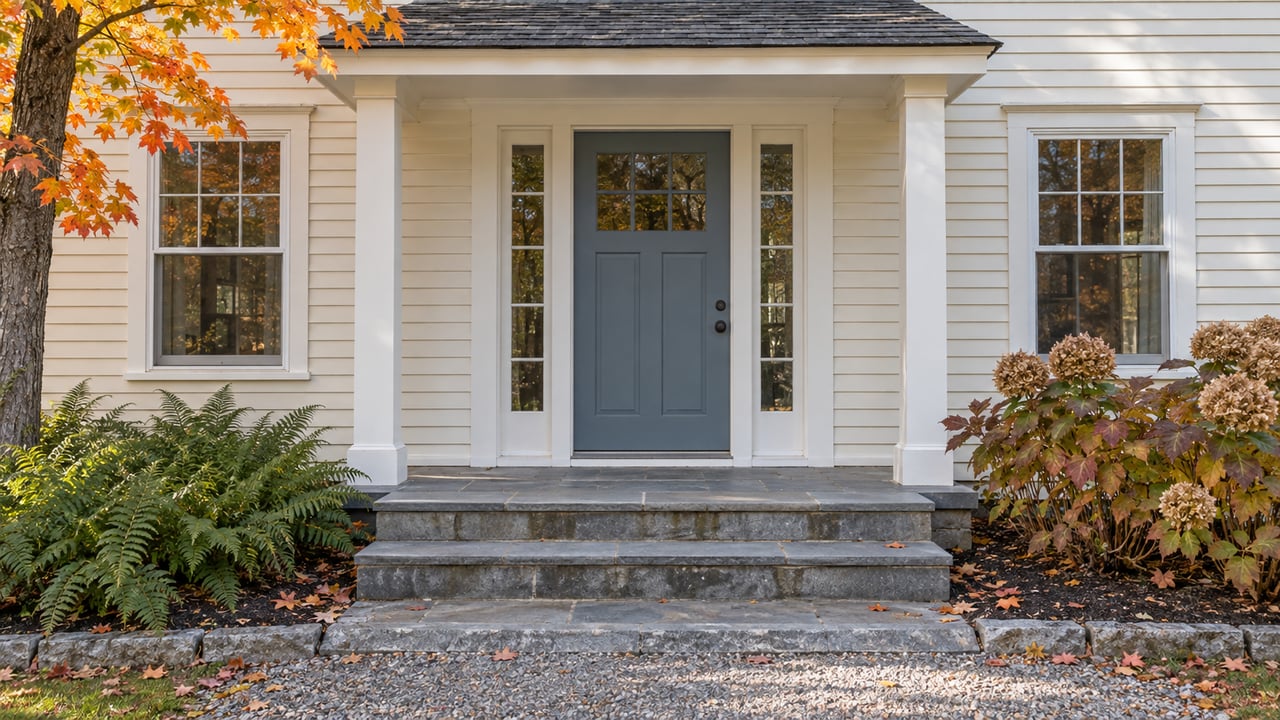
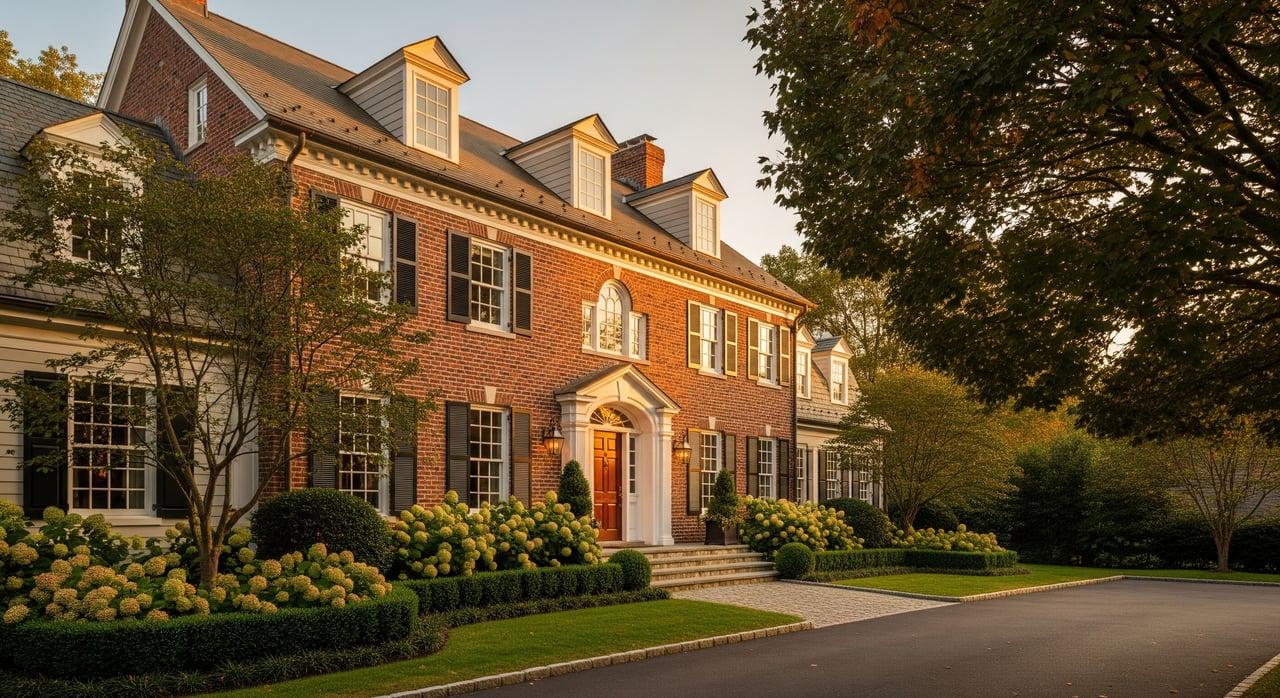
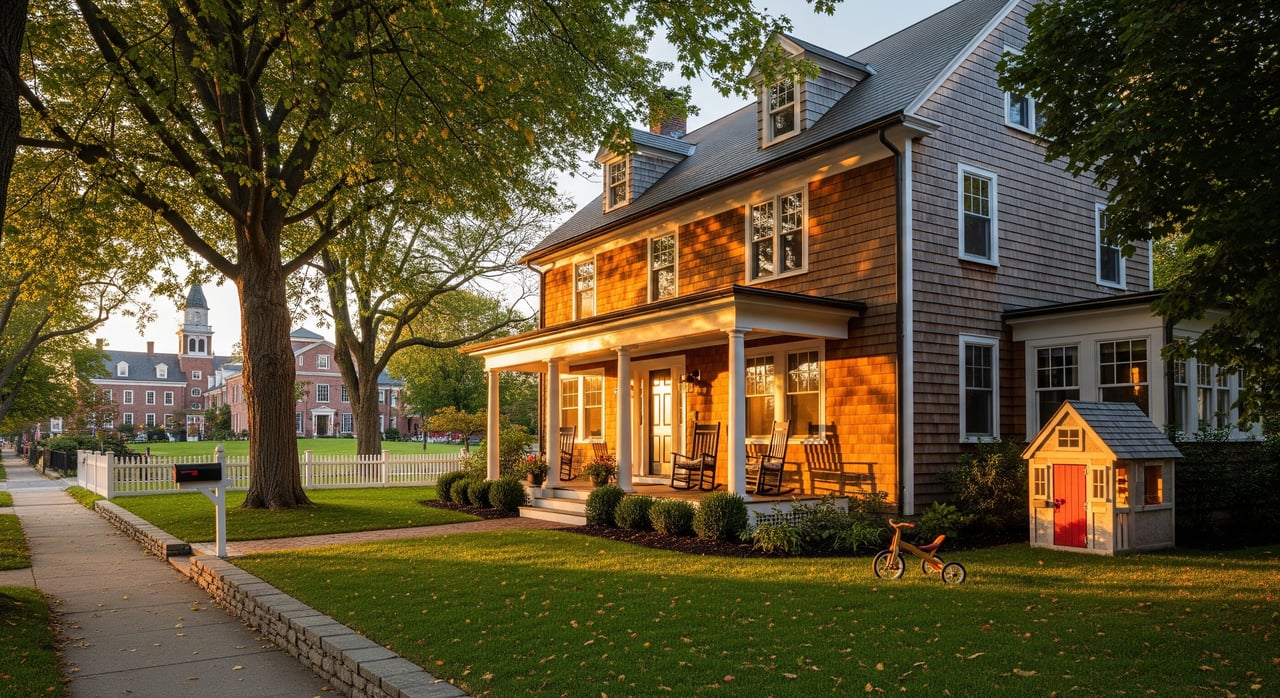
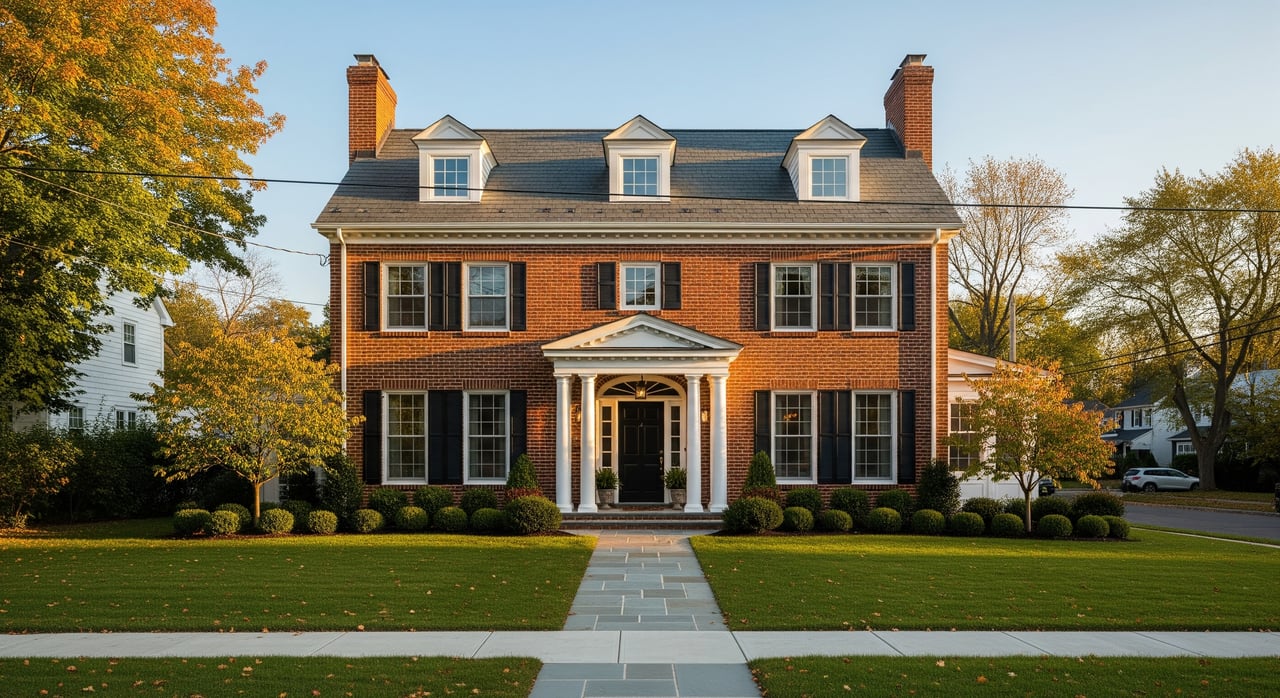
Coventry’s character is not one-note. Town history and visitor materials describe South Coventry Village and the historic core as a place with mill-era homes and architectural styles such as Colonial, Post-and-Beam, Saltbox, Queen Anne, Italianate, and Greek Revival. The town also describes Historic Coventry Village as its largest National Register Historic District and a vibrant town center.
Elsewhere, Coventry Lake adds a different residential feel. Town history notes that the lake attracted cottage residents and vacationers in the early 1900s, which helps explain why some lake-adjacent areas may feel more seasonal or cottage-like than the village center. Taken together, Coventry reads as a mix of historic village homes, older detached properties, and lake-oriented residential pockets.
Daily Life in Coventry
Coventry Lake Is a Major Draw
Coventry Lake, also known as Lake Wangumbaug, is one of the town’s biggest lifestyle features. The town says Parks & Recreation manages two public swim areas on the lake, Lisicke Beach and Patriots Park. It also notes a state-operated boat launch and additional lake-association beaches.
If water access matters to you, that is a real point in Coventry’s favor. Even if you are not looking for a lake-adjacent home, the presence of public lake amenities can shape how you spend weekends and summer evenings.
Patriots Park Adds Activity and Community Space
Patriots Park is one of the most practical public amenities in town. Coventry describes it as having a guarded beach, playground, picnic area, lodge facilities, a community center, and a band shell for summer concerts. The town also says the park is home to the Coventry Lake Water Ski Team and the UConn Women’s Crew Team.
That mix gives the town more than just scenic value. It adds places to gather, recreation options, and a stronger sense of local activity throughout the warmer months.
The Village Core Adds Convenience and Character
Coventry also has a strong history-and-village side beyond the lake. The town highlights the Nathan Hale Homestead, the Museum of Connecticut Glass, the Coventry Farmers’ Market at the homestead, antique and collectible shops, local restaurants and cafes, and a visitors center in South Coventry Village. These details help paint a picture of a town with local destinations woven into daily life.
For remote workers and hybrid professionals, another practical amenity stands out. The Booth & Dimock Memorial Library offers public computers, free Wi-Fi, and technology assistance, according to the town. That can be especially useful if you need a reliable place to work, print, research, or reset outside the house.
Who Coventry Fits Best
Coventry makes the most sense for buyers who want a quieter setting while keeping Hartford and Storrs within reach. Based on the town’s location, housing profile, and amenities, it can be a strong fit for faculty, staff, students’ families, remote workers, and buyers who want more space and character than they may find in denser areas.
This is not the town to choose if your top priority is a highly walkable, urban-style routine. It is better understood as a place where you trade some dense-city convenience for room to spread out, an established residential feel, public recreation, and access to the broader Hartford and UConn corridor.
That trade-off is exactly why Coventry stands out for the right buyer. You can keep regional access on the table while living in a town with historic identity, lake amenities, and a housing mix that feels rooted rather than interchangeable.
What Buyers and Sellers Should Keep in Mind
If you are buying in Coventry, it helps to look beyond commute time alone. You will also want to compare how each area feels day to day, whether you prefer village character or a lake-oriented setting, and how comfortable you are with older housing stock. In a town with this much variety, the right fit often comes down to lifestyle as much as location.
If you are selling in Coventry, presentation matters. In a market where many homes are detached and established, buyers often respond strongly to condition, visual appeal, and a clear story about how a home fits Coventry’s lifestyle, whether that means historic charm, everyday space, or proximity to the lake and regional routes.
At The Corrado Team, we help clients prepare, position, and market homes with care, and we guide buyers with clear local insight across Greater Hartford communities. If you are thinking about a move in Coventry or nearby, The Corrado Group can help you take the next step with confidence.
FAQs
Is Coventry CT exactly halfway between Hartford and UConn Storrs?
- No. Coventry is between the two, but town and UConn location information suggests it sits slightly west of UConn and closer to the campus than to Hartford.
What is the main housing type in Coventry CT?
- Coventry is dominated by detached housing. The town’s 2024 housing profile says 93% of occupied homes are single-family.
Does Coventry CT have public access to Coventry Lake?
- Yes. The town says Parks & Recreation manages two public swim areas, Lisicke Beach and Patriots Park, and it also notes a state-operated boat launch.
Is Coventry CT a good fit for remote workers or hybrid commuters?
- It can be. Coventry offers regional road access toward Hartford and UConn, and the Booth & Dimock Memorial Library provides public computers, free Wi-Fi, and technology assistance.
What makes South Coventry Village different from lake areas in Coventry CT?
- Town materials describe South Coventry Village as a historic center with older architectural styles and a village setting, while lake-adjacent areas may feel more seasonal or cottage-like due to Coventry Lake’s history as a vacation destination.