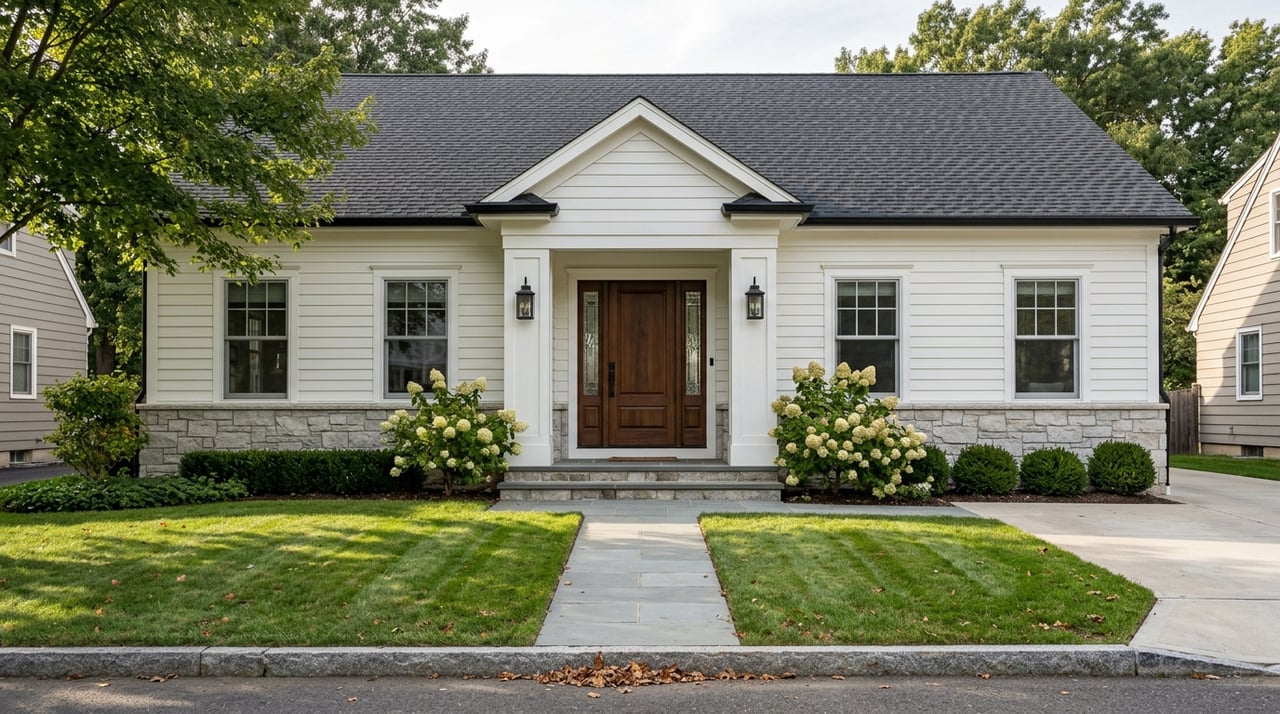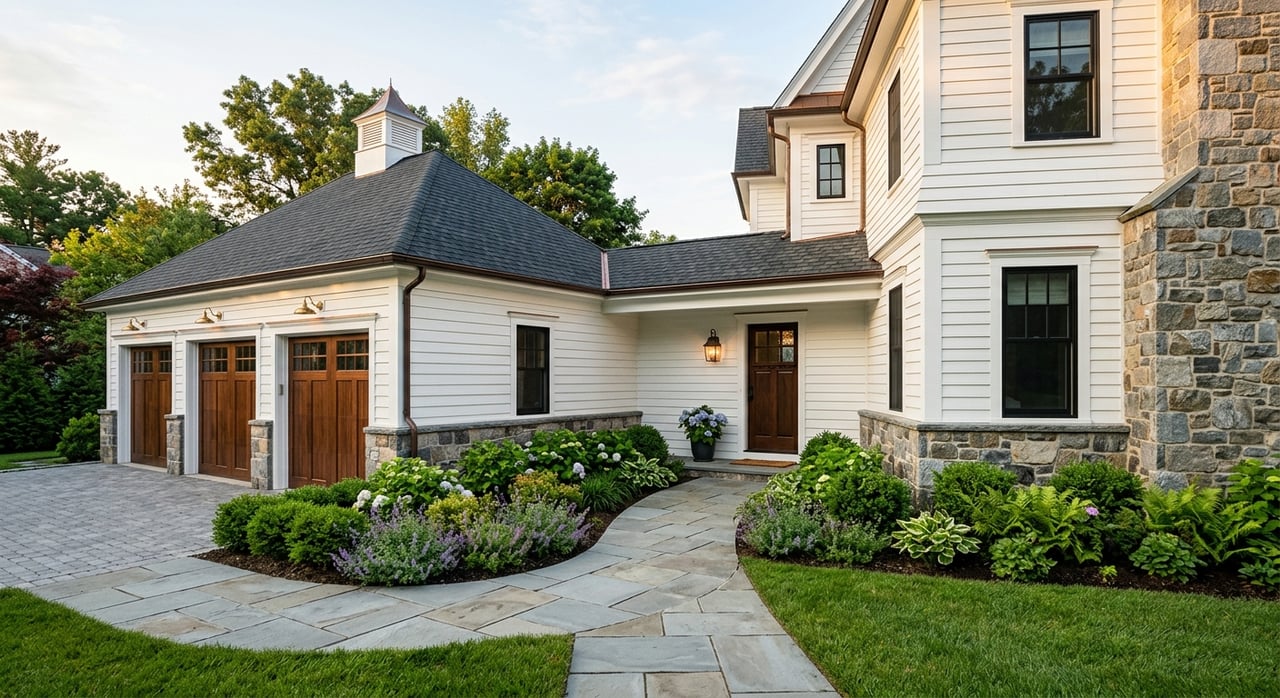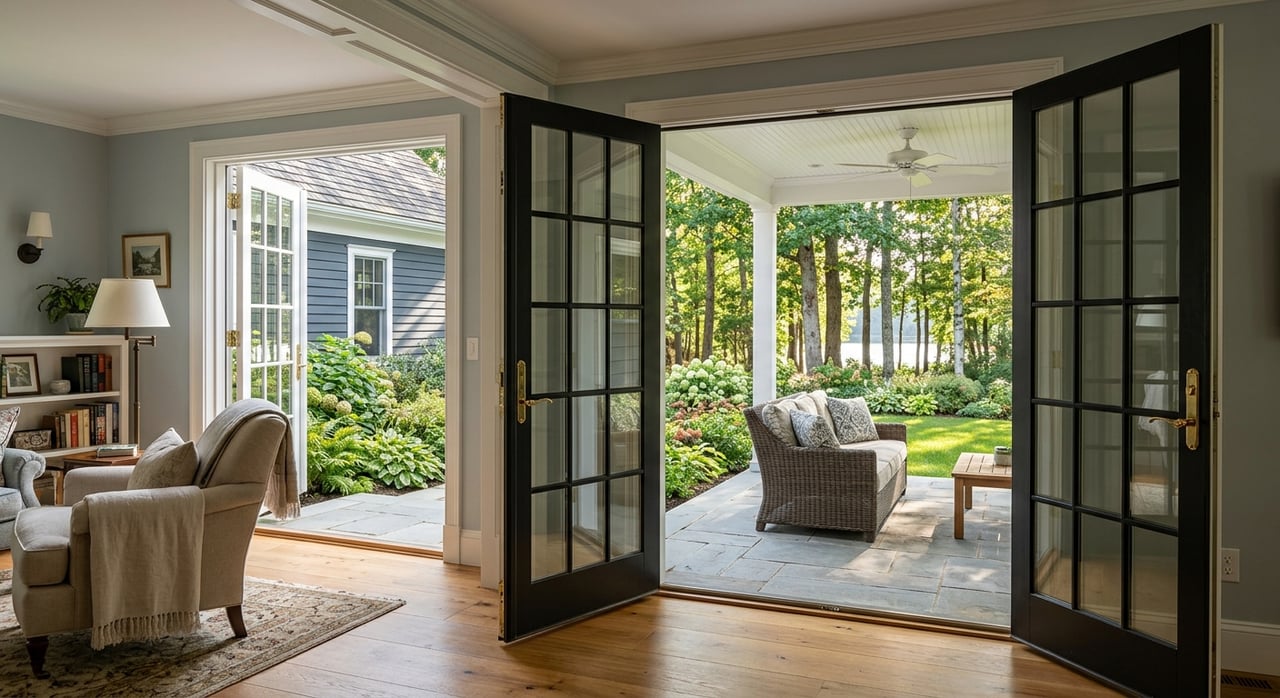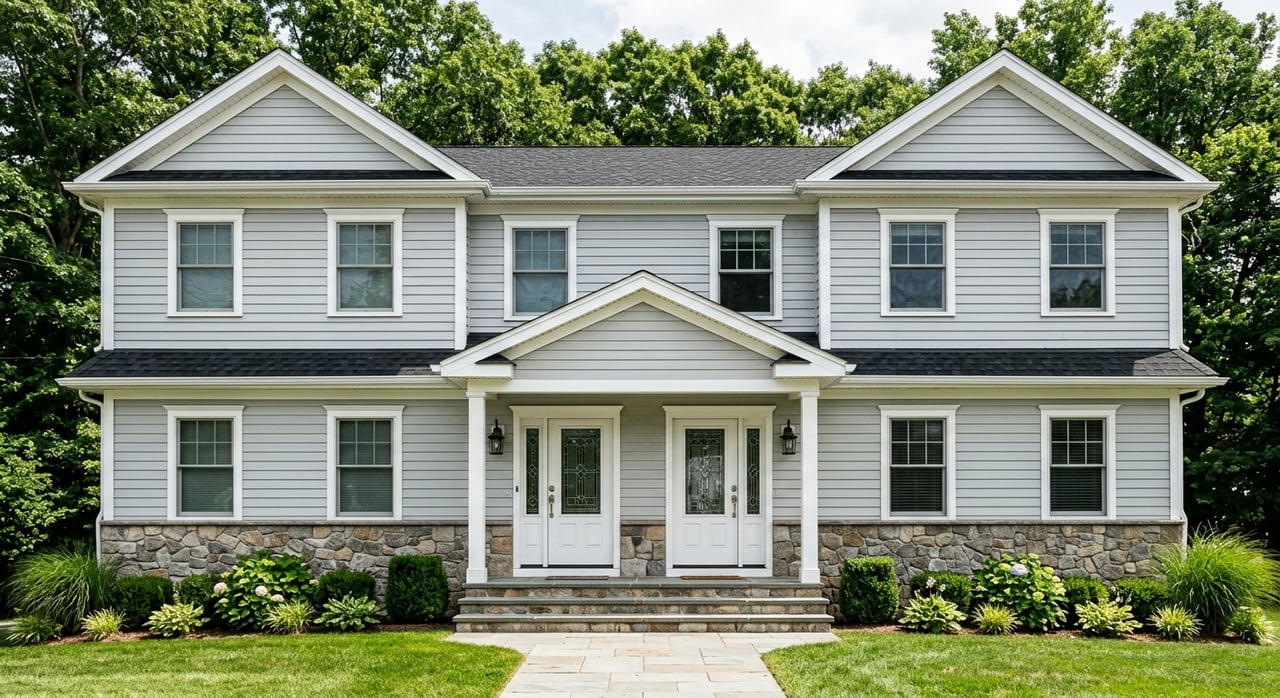
If you picture lake living as a summer-only lifestyle, Lake Pocotopaug may surprise you. In East Hampton, you can find everything from true year-round waterfront homes to lower-maintenance properties near the lake with shared access or lake rights. If you are thinking about buying a full-time home here, it helps to understand how property type, access, utilities, and local rules can shape your experience. Let’s dive in.
Why buyers consider Lake Pocotopaug
Lake Pocotopaug is one of Connecticut’s largest inland lakes at roughly 511 to 512 acres, and it is a major part of East Hampton’s identity. East Hampton itself is a town of about 13,000 residents located around 22 miles south of Hartford, with a mix of rural and suburban character. For many buyers, that combination creates an appealing balance of water views, recreation, and everyday convenience.
A year-round home near the lake can offer more than weekend scenery. The town highlights everyday livability through local roads, parks, libraries, and public safety services, which matters when you are choosing a home for all four seasons instead of just summer. That makes this area worth a closer look if you want lake living without giving up day-to-day functionality.
Year-round homes come in different forms
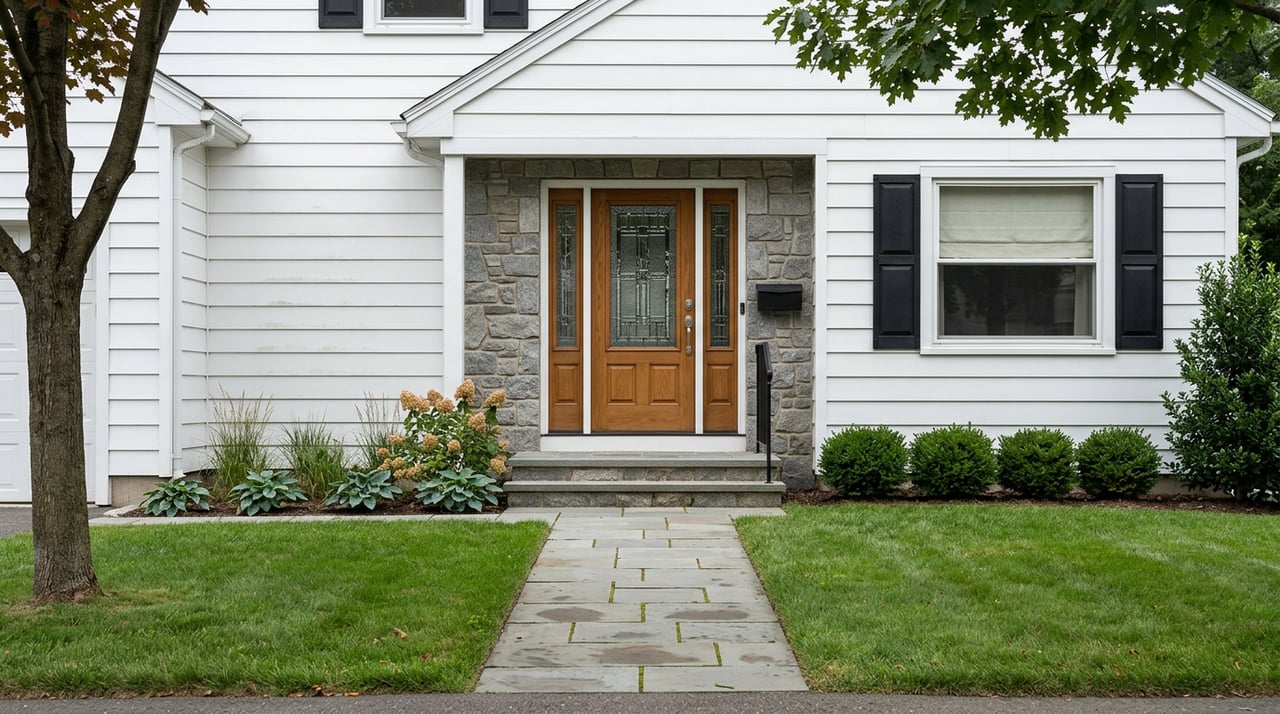
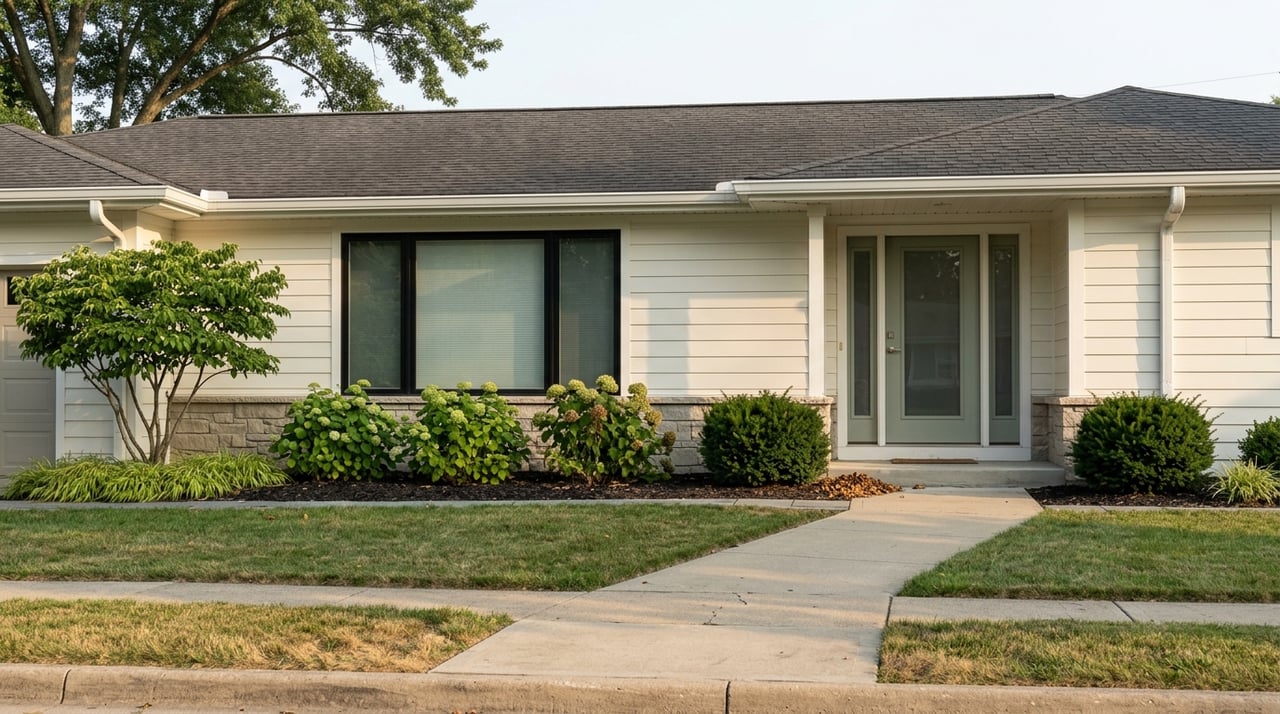
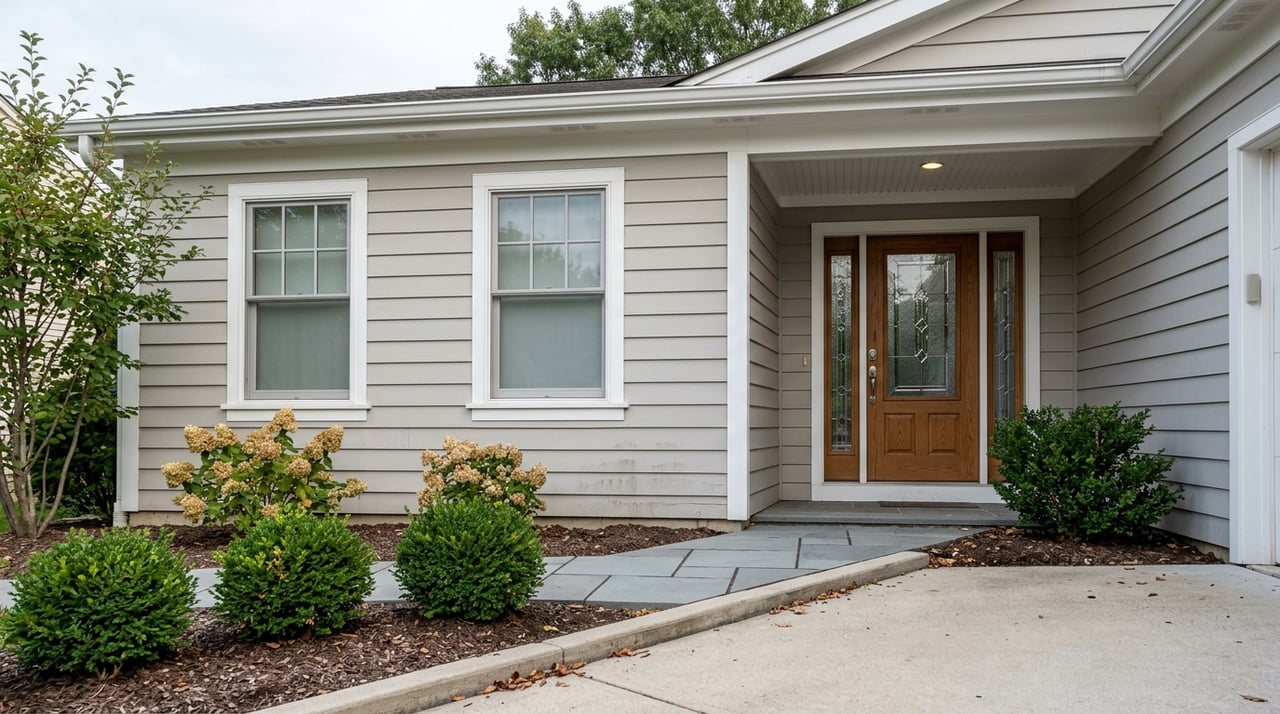
One of the biggest mistakes buyers make is assuming every lake-area property offers the same lifestyle. Around Lake Pocotopaug, the housing stock includes waterfront homes, nearby colonials, ranches in optional lake communities, and condo or townhome options with lake rights, private beach privileges, or boat-slip access. That variety gives you more flexibility, but it also means you need to define what full-time living looks like for you.
Some homes are clearly designed for year-round use, while others still feel more like seasonal escapes. Older cottages, newer construction, and condo-style properties can have very different layouts, storage, parking, and maintenance needs. If you work from home, host family often, or want easy winter access, those differences matter just as much as the view.
Waterfront versus near-lake living
Waterfront living gives you the closest connection to the lake, but it usually comes with more upkeep and more due diligence. Shoreline conditions, drainage, vegetation, setbacks, and permitting can all affect how you use and improve the property. Pricing also tends to move quickly based on frontage, lot quality, and condition.
A near-lake home can be a smart alternative if you want the setting without as much maintenance. In East Hampton, some nearby properties offer optional association access, lake rights, or private beach privileges. For many buyers, that setup provides a simpler path to year-round living.
Older lots can change your options
The lake area developed over time, and that history still shows up in today’s housing market. Town zoning discussions describe many older lake lots as narrow, rocky, sloped, and sometimes only 40 to 50 feet wide. That can affect expansion plans, parking, outdoor living space, and even where a future addition or garage could go.
If you love an older home near the lake, make sure you are also evaluating the lot itself. Tight setbacks, unusual lot lines, and nonconforming dimensions can limit what you can change later. A home that works well today may not support your long-term plans without additional review.
What the local market looks like
The East Hampton and Lake Pocotopaug market has shown steady value growth, but inventory remains limited. As of May 31, 2026, Zillow estimated East Hampton’s average home value at $434,139. As of April 30, 2026, Lake Pocotopaug’s average home value was $407,647.
Both figures were up year over year, by 5.8 percent in East Hampton and 6.4 percent around Lake Pocotopaug. Recent lake-area sales ranged from $340,000 for a two-bedroom home to $720,000 for a three-bedroom home and $775,000 for a four-bedroom home. That spread shows how much price can shift based on frontage, home size, updates, and overall condition.
Limited supply is another important factor. Zillow showed 21 active East Hampton listings and 10 active Lake Pocotopaug listings at those dates. In a smaller inventory environment, the homes that best fit year-round buyers may not sit long.
Lake access is not all the same
Lake access is one of the most important details to verify before you buy. State and town sources say the shoreline is heavily developed, and there is no general public access, although the state survey notes a boat ramp at the town park. In practical terms, you should not assume that living near the lake automatically gives you the kind of access you want.
Before you move forward, confirm whether the property includes direct frontage, deeded rights, association access, beach privileges, or boat-slip use. Those details can shape both your lifestyle and the property’s value. They can also affect whether a home feels like a true lake property or simply a home in the surrounding area.
Recreation is a draw, but access matters
Lake Pocotopaug is known for recreation, especially fishing. Connecticut sources list species such as largemouth bass, smallmouth bass, chain pickerel, walleye, yellow perch, and sunfish, and the town stocks walleye. That can be a big plus if you want an active outdoor lifestyle.
Still, recreation value depends on how you can actually use the lake from your property. A waterfront dock setup creates a different experience than shared access down the street. Clarifying that difference early can save you time and disappointment.
Utilities can make or break a purchase
For a year-round home, utility questions should come early. In East Hampton, not every property is on the same setup, so you will want to confirm sewer or septic and well or municipal water right away. These details affect cost, maintenance, inspections, and future planning.
East Hampton’s WPCA serves parts of town with sanitary sewer service, but sewer hookup is not available everywhere. The current residential sewer connection fee is $7,000 effective July 1, 2025, and the annual sewer use charge is $605 as of October 1, 2025. Chatham Health District handles septic and well policy, which makes early confirmation especially important for buyers comparing multiple homes.
Why sewer service matters near the lake
The area’s development history helps explain why sewer questions come up often. Town records note that sewer service installed in the 1980s allowed former cottages to be used year-round. That means two homes with similar locations can have very different utility realities.
If one property is on sewer and another is on septic, your ownership experience may look very different. The same is true if a home relies on a well rather than municipal water. These are not small details when you plan to live there full time.
Shoreline rules deserve close attention
Lake-area property improvements in East Hampton are subject to meaningful oversight. The town has an Inland/Wetlands Watercourse Agency, a Conservation-Lake Commission, and a dedicated lake-protection program. For buyers, that means shoreline maintenance and site changes are taken seriously.
The 2025 Lake Pocotopaug Protection Zone sets a 25-foot minimum building setback from the mean high-water mark for lake and tributary properties. It also requires planted buffers on directly adjacent lots and can trigger additional town review for larger land-disturbance projects. If you are thinking about a patio, driveway, grading work, deck changes, or shoreline clearing, those ideas may involve permits and review.
Wetlands and drainage can affect plans
Properties near water often come with conditions that are easy to miss during a casual showing. Drainage patterns, retaining walls, slope, and shore-edge work can all become important once you start planning repairs or updates. Even if the house itself looks move-in ready, the lot may carry restrictions that affect your budget and timeline.
This is why lake-home buying often requires a more layered review than a typical suburban purchase. You are not only buying square footage. You are also buying the site conditions and the rules tied to that site.
Flood review should be part of your checklist
For waterfront or low-lying properties, floodplain review is another smart step. East Hampton’s flood regulations are based on FEMA flood studies and require flood-damage-resistant construction in special flood-hazard areas. That makes pre-closing review especially important if the property has a basement, crawlspace, shoreline structures, or signs of drainage concerns.
A careful review may include the flood map, survey, grading, retaining features, and any visible water-management issues. The goal is not to rule out a property automatically. It is to understand the conditions clearly before you commit.
How to shop smarter for a full-time lake home
Buying near Lake Pocotopaug is often about narrowing the field quickly and asking the right questions early. A beautiful home can still be the wrong fit if the lot is too constrained, the utility setup is not ideal, or the lake access is not what you expected. A focused process helps you avoid wasted time.
Start with a simple checklist:
- Confirm whether the home is truly suited for year-round living
- Verify lake access type and any ownership rights
- Check whether the property is on sewer or septic
- Confirm well or municipal water service
- Review lot size, slope, and setback limitations
- Ask whether wetlands, floodplain, or shoreline review may apply
- Consider how much maintenance you want year round
For this niche, the biggest advantage is often early coordination. The right process can help you identify when you may need a home inspector, septic or well evaluator, surveyor, or land-use professional before you move too far into a deal.
The bottom line on buying near Lake Pocotopaug
A year-round home near Lake Pocotopaug can be a great fit if you want a property that blends natural beauty with daily livability. East Hampton offers a range of options, from direct waterfront homes to more manageable near-lake properties, but the details matter here more than they do in many other markets. Access, utilities, lot conditions, and local regulations all shape what living here will actually feel like.
If you approach the search with clear priorities and strong local guidance, you can make a more confident decision. The goal is not just to buy near the lake. It is to buy the right home for the way you want to live year round.
If you are exploring homes near Lake Pocotopaug and want help evaluating the details that matter most, The Corrado Group can help you move forward with clarity and confidence.
FAQs
What should you check before buying a year-round home near Lake Pocotopaug?
- You should confirm lake access, sewer or septic service, well or municipal water, lot dimensions, setback limits, and whether wetlands or floodplain review may apply.
Are all Lake Pocotopaug homes suitable for full-time living?
- No. The area includes true year-round homes, older cottages, seasonal-style properties, and condos or townhomes with different maintenance needs and access arrangements.
How important are utility details for East Hampton lake homes?
- Utility details are very important because sewer hookup is not available everywhere in East Hampton, and some properties may rely on septic systems or wells.
Does living near Lake Pocotopaug guarantee public lake access?
- No. State and town sources say there is no general public access, so you should verify whether a property includes direct frontage, lake rights, association access, or other specific use rights.
Why can renovations be more complicated near Lake Pocotopaug?
- Renovations can be more complicated because lake and tributary properties may face setback rules, planted buffer requirements, wetlands review, drainage concerns, and flood-related building standards.