If you have lived in your Rocky Hill home for many years, downsizing can feel like two big projects at once. You are not just planning a move. You are also preparing a home for the market, sorting decades of belongings, and trying to keep the process calm and organized. The good news is that a low-stress downsize usually comes from the right sequence, not from doing everything at once. Here is how to prepare, simplify, and move forward with more confidence.
Start With a Clear Downsizing Plan
Before you pack a single box, map out the project in phases. In Rocky Hill, downsizing often works best when you treat the sale, cleanout, and move as one coordinated process rather than separate tasks.
A simple plan can help you avoid last-minute decisions. Focus first on what needs to leave the house, what needs to be repaired, what needs to be presented well for buyers, and what paperwork you will need before closing.
Break the Process Into Four Phases
A practical downsizing plan usually looks like this:
- Declutter and sort what you will keep, donate, discard, or move.
- Handle small repairs and gather records.
- Stage and prepare the home for photos and showings.
- Coordinate your next home, moving timeline, and closing details.
This order matters. When you declutter first, every step after that becomes easier.
Declutter Before You Do Anything Else
Decluttering is one of the most important first steps in preparing a home for sale. According to 2025 staging research from the National Association of Realtors, decluttering was the most common seller preparation recommendation, followed closely by cleaning and curb appeal work.
For downsizers, decluttering does more than improve appearance. It also helps you decide what will actually fit and function in your next home.
Focus on Bulky and Extra Items First
Start with the things that make rooms feel smaller or more crowded than they are. Extra chairs, oversized furniture, duplicate kitchen items, old electronics, and unused storage pieces are usually good early targets.
As those larger items leave, your home will begin to feel more open. That matters because buyers often respond best when rooms feel easy to navigate and easy to picture themselves in.
Sort Room by Room
Try to avoid pulling everything out at once. A room-by-room system is usually less stressful and easier to maintain.
Use four simple categories:
- Keep
- Donate
- Dispose
- Move later
This keeps the project moving without forcing every decision into one weekend.
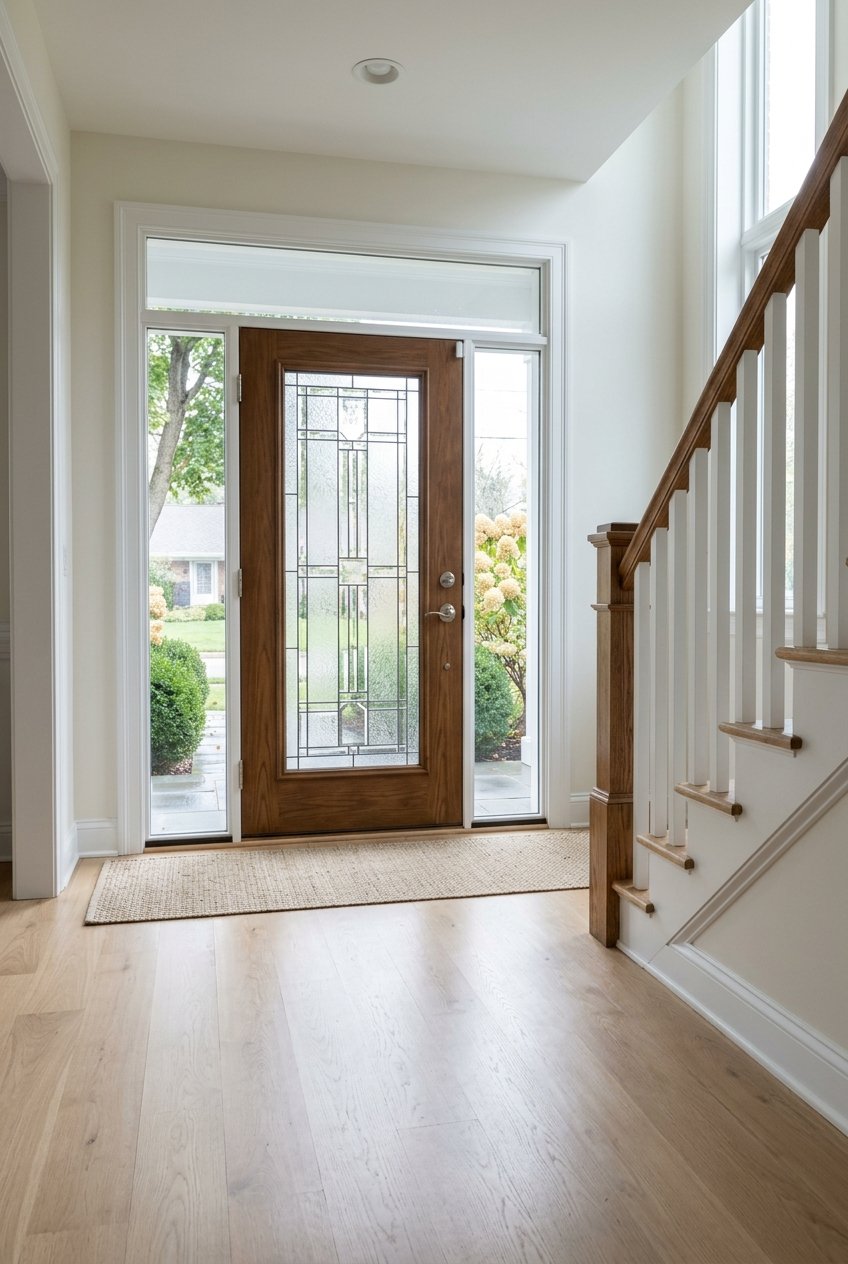
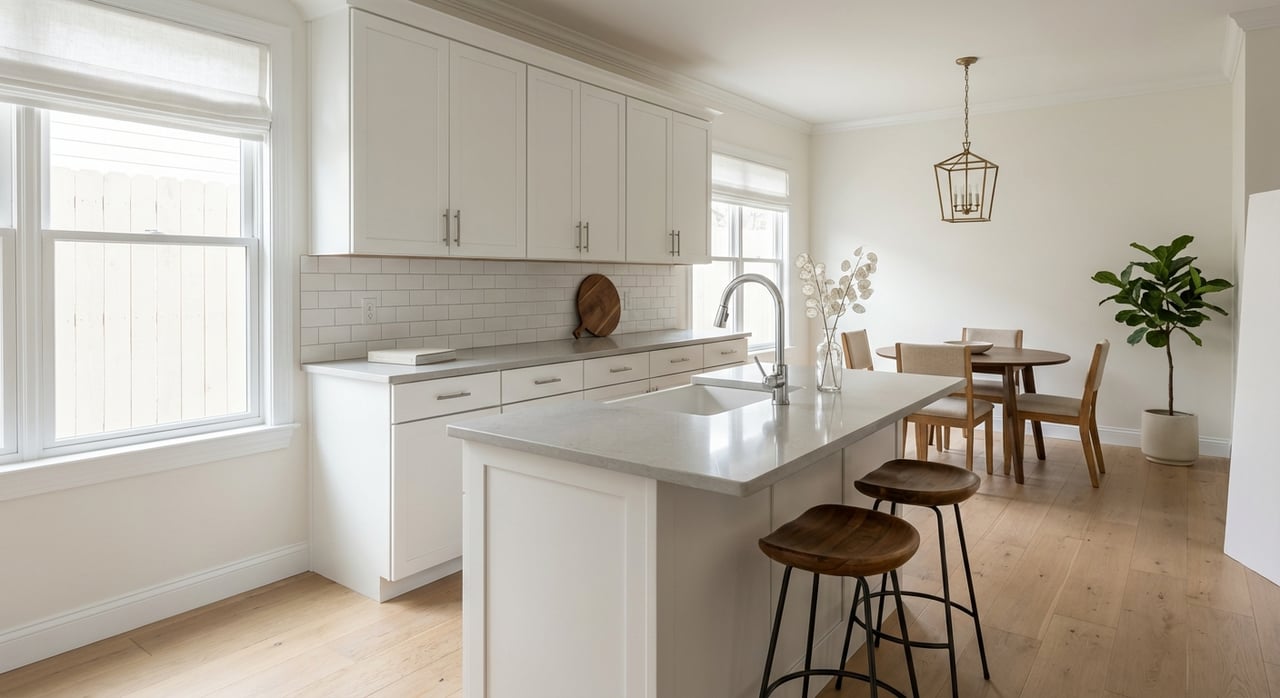
Stage the Rooms Buyers Notice Most
Once the excess is out, the next step is presentation. NAR’s 2025 staging research found that 83% of buyers’ agents said staging made it easier for buyers to visualize a property as their future home. The same research found that 49% of sellers’ agents said staging reduced time on market.
That does not mean you need a full redesign. It means your home should look clean, open, and easy to live in.
Prioritize Key Living Spaces
The most commonly staged rooms were the living room, primary bedroom, dining room, and kitchen. If you want the biggest impact with the least disruption, start there.
In practical terms, that means:
- Clearing crowded surfaces
- Removing excess furniture
- Making the primary bedroom feel restful and spacious
- Keeping the kitchen simple and bright
- Giving the dining area a clear purpose
These are also the spaces that tend to matter most in listing photos and in-person showings.
Remember That Photos Matter
NAR also reported that photos were highly important to buyers’ agents, along with physical staging, videos, and virtual tours. That is one reason presentation before photography matters so much.
A well-prepared home does not just show better in person. It also makes a stronger first impression online, where many buyers begin their search.
Keep Repairs Focused and Practical
When you are downsizing, it is easy to wonder whether you should renovate before listing. In most cases, a low-stress approach means focusing on visible cosmetic issues and smaller repairs first.
Connecticut’s Department of Consumer Protection advises sellers to finish repairs or projects before listing and to verify that any home improvement contractor is properly registered or licensed. That makes it especially important to choose updates carefully.
Fix What Buyers Will Notice
Your prep budget often goes furthest when you address items such as:
- Touch-up paint
- Loose hardware
- Minor plumbing leaks
- Broken light fixtures or switches
- Damaged trim or doors
- Worn caulking
These smaller fixes can improve buyer confidence without creating the cost and disruption of a major remodel.
Check Permit Requirements for Work
In Rocky Hill, alteration or repair of an existing building requires the appropriate building, mechanical, plumbing, electrical, or gas permit. If you plan to do any pre-listing work beyond minor cosmetic touch-ups, confirm whether permits are required before work begins.
It is also smart to organize records for past work on the home. Connecticut’s property disclosure materials remind buyers to confirm with the municipal building official that permits and certificates of occupancy were issued when required, so having contractor information, receipts, and permit paperwork ready can make the process smoother.
Understand Connecticut Seller Disclosures
A downsize is not only about packing and cleaning. It also includes disclosure paperwork that should be handled early enough to avoid stress later.
In Connecticut, sellers generally must provide the Residential Property Condition Disclosure Report before a buyer signs a binder or contract. As of July 1, 2025, certain owners must also complete a Residential Foundation Condition Report.
Prepare the Forms Early
You do not want to scramble through records after your home is already on the market. Gather information about repairs, systems, improvements, and foundation history in advance so you can complete required forms more confidently.
Connecticut also states that a seller’s agent cannot complete the disclosure form for the seller, though the agent can help explain the questions being asked. That makes early preparation especially helpful.
Use Rocky Hill Disposal Options the Right Way
One of the biggest surprises during a downsize is how much cannot go into regular trash pickup. In Rocky Hill, the town’s regular trash service is for kitchen and bathroom trash only. It does not accept bulk items, construction debris, renovation materials, electronics, yard waste, or hazardous materials.
That means your cleanout plan needs separate paths for everyday trash, bulky household items, and materials that need special disposal.
Know What Bulk Pickup Can and Cannot Do
Rocky Hill offers curbside bulk pickup for homeowners, but the town clearly states that bulk pickup does not cover house cleanouts or move-outs. Bulk items include furniture, appliances, electronics, and mattresses, and mattresses must be placed in clear disposal bags.
This can be useful for a few large items, but it is not a complete cleanout strategy for a long-time owner preparing to move.
Use the Transfer Station for Many Leftovers
Rocky Hill’s transfer station is for residents only and does not allow contractors. The town says it accepts items such as furniture, mattresses, scrap metal, household trash, tag sale items, and recycling materials.
However, it does not accept hazardous waste or chemicals, sheetrock, tile, roofing materials, concrete, stone, or dirt. If your downsizing process uncovers old paint, batteries, cleaners, or similar products, those need a different plan.
Plan Ahead for Hazardous Waste
The town notes that MDC runs regional household hazardous-waste collections each spring and fall. If you expect to uncover old household chemicals during your cleanout, build that timing into your schedule instead of waiting until the final week before moving.
That one step can save you from a stressful pileup in the garage or basement.
Coordinate the Sale With Your Next Home
A smoother downsize happens when you think past the sale itself. Where you are going next, and what that move requires, should shape your timeline from the beginning.
If your next home will be smaller, lower-maintenance, or part of a common-interest community, your decision should account for more than square footage.
If You Are Buying a Condo, Review the Documents Carefully
Connecticut DCP advises condo buyers to review the association bylaws, declaration, rules and regulations, recent budget, and minutes from the past 12 months. Buyers are also encouraged to ask about dues, fines, reserves, outstanding debts, foreclosures, occupancy rights, and any age restrictions.
For a downsizer, this matters because monthly carrying costs, maintenance responsibilities, and community rules can affect your day-to-day comfort just as much as the layout itself.
Build Closing Costs Into the Plan
Another way to reduce stress is to account for seller closing costs early. In Connecticut, the grantor or the grantor’s attorney or authorized agent must file Form OP-236 for taxable real estate transfers, and the state says the tax is the seller’s responsibility and must be paid before the deed can be recorded.
That means your downsizing budget should include not only moving costs and home preparation, but also closing-related expenses. Planning for those items upfront can help you make cleaner decisions about timing and net proceeds.
Use Local Rocky Hill Support When Needed
Downsizing is often a personal transition as much as a real estate one. If you or a family member need extra support during the move, local resources may help.
Rocky Hill Human Services helps residents find information and complete applications for local, state, and federal assistance programs. The town’s Senior Services information also highlights CHOICES counseling for older adults and people with disabilities, along with a small loaner supply of medical equipment such as walkers, canes, wheelchairs, tub benches, and commodes.
For some households, support like this can make the move feel more manageable and less rushed.
Work With a Coordinated Sale Strategy
A low-stress downsize rarely happens by accident. It usually comes from a steady process: declutter early, make practical repairs, present the home well, use Rocky Hill disposal options correctly, and line up paperwork before the final stretch.
Connecticut also outlines that a seller’s agent is expected to help with pricing, marketing, staging and positioning, offers, closing coordination, and buyer walk-throughs. That kind of support can make a real difference when you are managing both a sale and a move.
If you are getting ready to downsize in Rocky Hill, working with a team that can prepare, present, and coordinate each step can help protect your time and reduce last-minute stress. When you are ready to plan your next move, The Corrado Group can help you create a clear path forward.
FAQs
What is the best first step when downsizing a home in Rocky Hill?
- Start by decluttering and sorting what you will keep, donate, dispose of, or move. This makes repairs, staging, and packing much easier.
What rooms should you stage first before listing a Rocky Hill home?
- Focus first on the living room, primary bedroom, dining room, and kitchen, since these are among the most commonly staged spaces and often have the biggest impact on buyers.
Can you use Rocky Hill bulk pickup for a full house cleanout?
- No. Rocky Hill states that curbside bulk pickup does not cover house cleanouts or move-outs, so you will likely need a broader disposal plan.
What items cannot go in regular Rocky Hill trash collection during a downsize?
- Regular trash service does not accept bulk items, construction debris, renovation materials, electronics, yard waste, or hazardous materials.
What seller disclosures should Connecticut homeowners prepare before listing?
- Connecticut sellers generally must provide the Residential Property Condition Disclosure Report before a buyer signs a binder or contract, and as of July 1, 2025 certain owners must also complete a Residential Foundation Condition Report.
What should downsizers review before buying a condo in Connecticut?
- Review the bylaws, declaration, rules and regulations, recent budget, and the past 12 months of meeting minutes, and ask about dues, reserves, occupancy rights, and any age restrictions.